
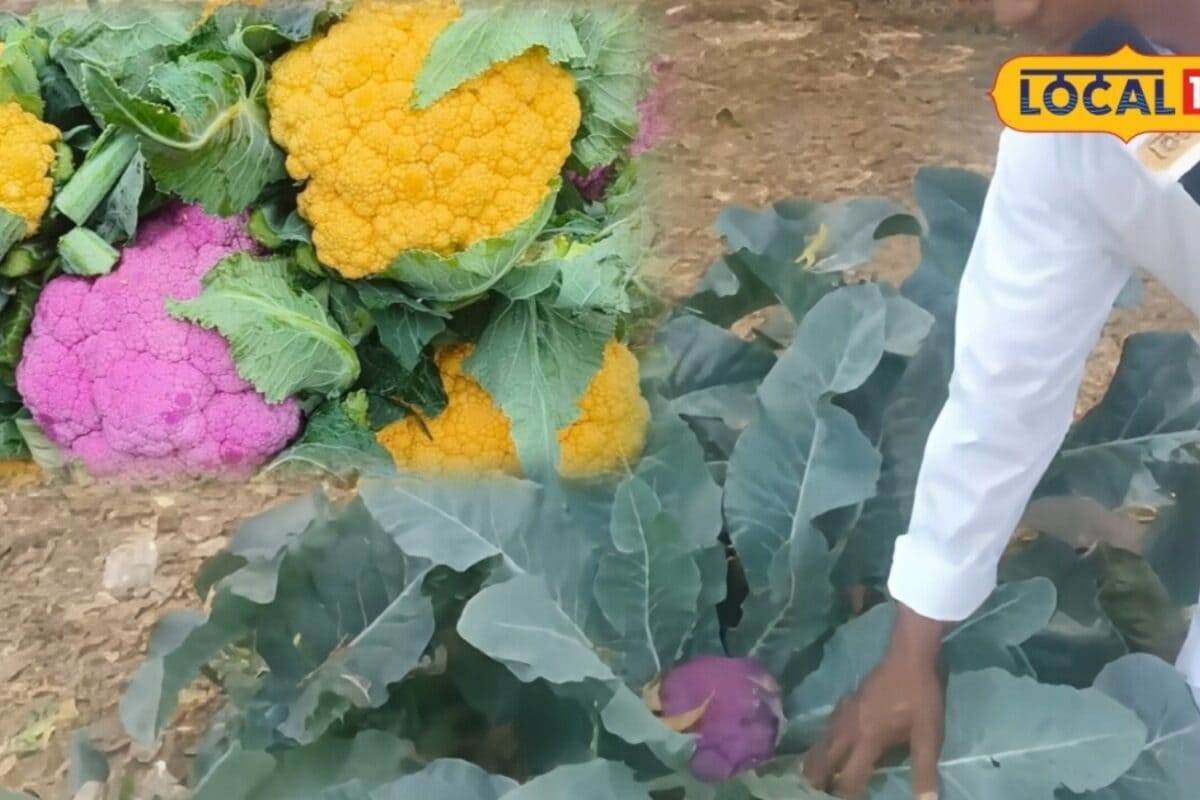
In a significant departure from conventional agricultural practices, farmers in Sirohi district are successfully diversifying their crop yields by venturing into the cultivation of vibrant colored vegetables. Specifically, the agricultural landscape in the Tapovan area of Amathala village has witnessed a remarkable transformation with the introduction of green broccoli, alongside striking purple and yellow cauliflowers. This innovative farming initiative marks a major milestone for local growers who are continuously seeking high-value alternatives to traditional crops.
The backdrop of this agricultural shift lies in the growing demand for exotic and nutrient-rich vegetables across major metropolitan markets. Local agricultural visionaries in Tapovan identified the immense potential of cultivating specialty crops that not only enrich the soil diversity but also promise substantially higher financial returns. By moving beyond staple crop production, these farmers are positioning themselves at the forefront of modern, demand-driven agriculture within the region.
Examining the operational timeline, the cultivation cycle for these colorful cauliflowers and broccoli begins with sowing activities conducted meticulously during the months of August and September. Following proper agronomic care, the crops mature successfully and are ready for harvest between December and January. This compact crop cycle spans approximately two and a half to three months, ensuring a steady and efficient turnover that enables farmers to maximize their land productivity within a relatively short period.
Financial viability remains a central pillar of this agricultural transition, as the unique visual appeal and nutritional profile of purple and yellow cauliflowers attract premium pricing in metropolitan centers. Market analysts and local growers note that the high demand in urban markets translates directly into significantly better financial returns compared to conventional produce. This economic incentive is proving to be a powerful catalyst, encouraging more local producers to adopt specialized vegetable farming techniques.
While the rewards are substantial, managing crop health requires vigilance against agricultural pests, most notably sap-sucking pests such as the local 'Mawa' insect which poses a threat to plant vitality. Rather than relying on chemical pesticides that could compromise the organic integrity of the harvest, farmers at Tapovan have embraced sustainable pest management practices. They prepare and apply an effective organic concoction made from neem cake and buttermilk, ensuring natural protection without harming the environment.
The success of this organic pest management approach highlights a broader commitment to sustainable and chemical-free agriculture in the region. Agricultural experts and local observers emphasize that utilizing traditional organic deterrents like neem cake and buttermilk preserves the purity of the soil and the safety of the final produce. This rigorous adherence to organic standards enhances the marketability of the colored vegetables among health-conscious urban consumers.
Looking ahead, this pioneering experiment with colored broccoli and cauliflower is rapidly emerging as a viable and lucrative new avenue for sustainable farm incomes in Sirohi district. As more local farmers observe the successful implementation and financial outcomes at Tapovan, adoption rates are expected to rise steadily. This forward-thinking agricultural model not only secures a prosperous future for participating growers but also sets a benchmark for innovative crop diversification across the wider region.
