
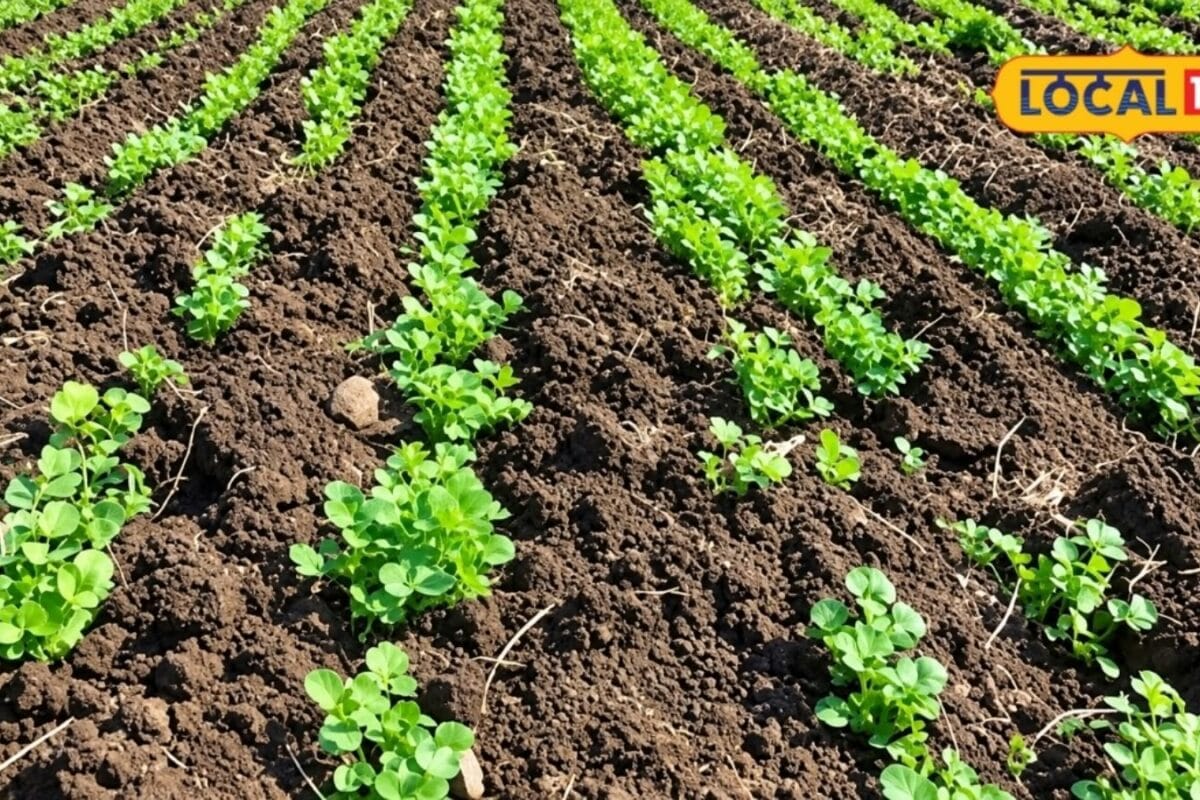
Agricultural authorities and regional farming experts have issued comprehensive guidelines for farmers engaged in coriander cultivation across Rajasthan, emphasizing that the period from mid-October to mid-November is the most opportune timeframe for sowing. This critical seasonal window dictates the ultimate success of the crop, influencing both the vegetative growth phase and the final seed development stages. Ensuring timely execution of sowing operations allows the plants to utilize favorable climatic conditions efficiently, mitigating potential environmental stressors that typically affect yield outcomes in the region.
Historically, spice cultivation has formed a cornerstone of the agrarian economy in various tracts of Rajasthan, where traditional farming communities rely heavily on rabi crops for their annual sustenance and commercial revenue. Over the decades, agricultural universities and research stations have dedicated substantial resources to developing stress-tolerant and high-yielding cultivars tailored specifically to the regional soil profiles and agro-climatic zones. The transition from legacy seeds to scientifically certified improved varieties represents a significant milestone in modernizing local farming practices and enhancing profitability for rural households.
To achieve optimal productivity, agronomists strongly recommend selecting specialized high-yielding varieties such as RCR 436, RCR 435, RCR 728, RKD 18, Ajmer Coriander-1, and Ajmer Coriander-2. Each of these certified cultivars possesses distinct genetic traits designed to resist common regional pathogens and adapt seamlessly to loamy soil, which is universally acknowledged as the ideal medium for coriander root development. Furthermore, meticulous field preparation, thorough seed treatment protocols, and the application of balanced organic and chemical fertilizers are non-negotiable prerequisites for preventing soil-borne diseases and securing robust crop establishment.
Agrarian stakeholders, including local farming cooperatives and input suppliers, stress the importance of adhering to recommended seed rates based on irrigation availability. For irrigated farming systems, agricultural extension officers advise a seed rate of 10 to 12 kilograms per hectare, whereas rain-fed or un-irrigated farming setups require a higher seed rate ranging from 15 to 20 kilograms per hectare to compensate for lower germination percentages under moisture stress. Maintaining these precise quantitative standards prevents plant overcrowding, ensures adequate nutrient distribution, and fosters a healthy microclimate within the crop canopy.
The regional impact of adopting these standardized cultivation techniques extends deeply into the rural economy of Kotputli-Behror and surrounding districts, where agricultural prosperity directly influences local market vibrancy. Enhanced crop yields translate directly into higher market arrivals, improved income security for farming families, and greater economic stability for local traders and agricultural laborers. As rural communities increasingly adopt scientific farming methodologies, the overall agrarian landscape undergoes a progressive transformation toward greater sustainability and resilience against market fluctuations.
Administrative bodies and district agricultural departments have stepped up their advisory outreach, organizing awareness camps and distributing informational literature to guide farmers through the intricate phases of crop management. Officials reiterate that successful coriander production requires vigilant monitoring of soil moisture levels, timely execution of irrigation cycles, and systematic weeding operations, known locally as weeding and hoeing. Additionally, prompt identification and containment of pest infestations through recommended protective measures safeguard the harvest from extensive economic damage.
Looking forward, agricultural extension agencies remain committed to monitoring the progress of the current rabi season, providing continuous technical support, and addressing emerging agronomic challenges faced by cultivators. Farmers are encouraged to maintain close contact with local agricultural offices for real-time advisories regarding weather anomalies, plant protection protocols, and post-harvest management strategies. Through sustained collaboration between the farming community and agricultural experts, the region is well-positioned to achieve record-breaking coriander production in the upcoming harvest cycle.
