
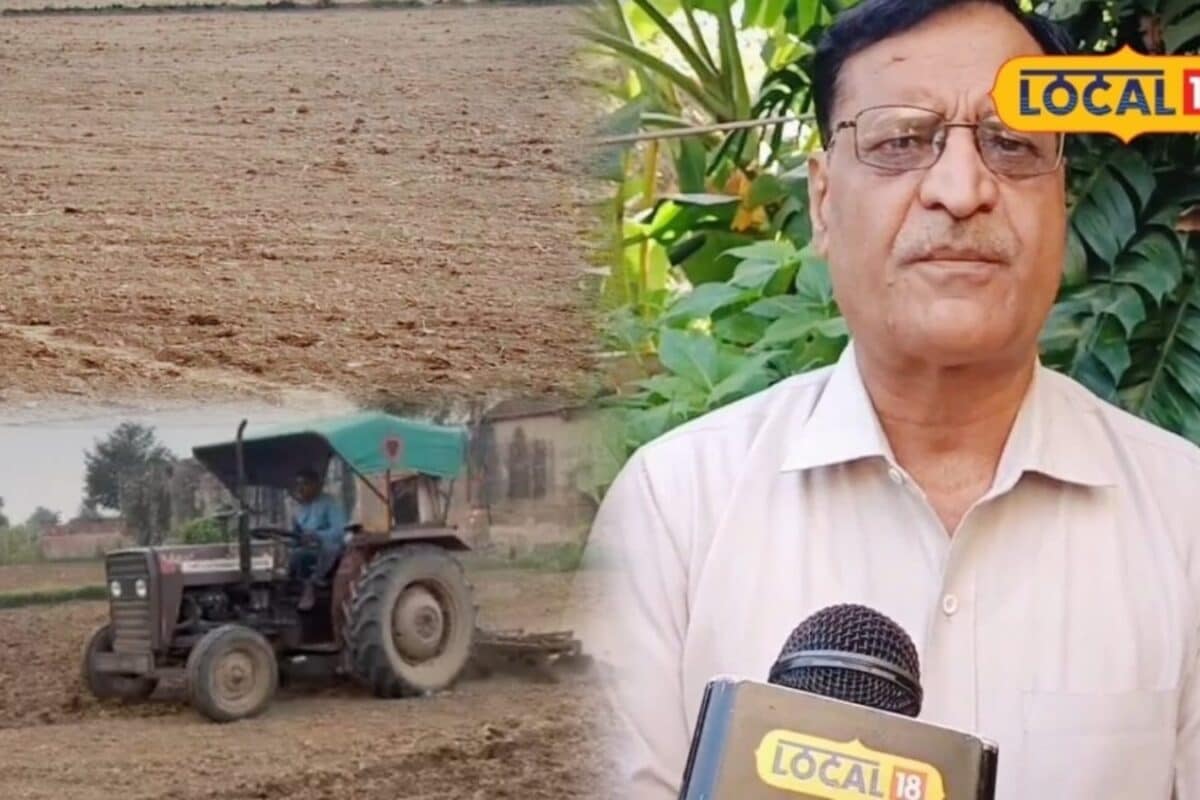
Farmers in the Bharatpur region are being strongly advised to broaden their agricultural horizons beyond the conventional staples of mustard and wheat during the Rabi season. While mustard and wheat have traditionally dominated agricultural practices in the district, agricultural experts emphasize that exploring alternative crops such as chickpeas, barley, pulses, and vegetables can open lucrative new revenue streams. This strategic shift aims to maximize land productivity and reduce economic vulnerability associated with relying on a single crop harvest.
Historically, farming communities have heavily depended on mustard and wheat due to established market channels and traditional familiarity. However, changing climatic conditions and fluctuating market demands necessitate a more resilient approach to farming. Agricultural diversification allows farmers to mitigate risks stemming from pest outbreaks, unseasonal weather patterns, and market price volatility, ensuring a more stable and diversified household income throughout the agricultural calendar.
According to agricultural expert Dr. Udaybhan Singh, the selection of crops must never be arbitrary; instead, it should be meticulously planned by taking into account local climatic conditions, soil composition, available irrigation infrastructure, and prevailing market demand. Aligning crop choices with these fundamental environmental and economic factors ensures optimal yield and resource efficiency, preventing unnecessary financial strain on the agrarian community.
Agronomic guidelines specify distinct sowing windows for various Rabi crops to maximize agricultural output. For mustard cultivation, the ideal sowing period ranges from the last week of September through October. Meanwhile, wheat is conventionally sown during the month of November. For alternative options, chickpeas are recommended for sowing between October and November, whereas barley cultivation is most effective when undertaken from the end of October through November.
To achieve maximum productivity from these diversified cropping systems, experts strongly urge farmers to adhere strictly to foundational pre-sowing protocols. Essential preparations include conducting comprehensive soil testing to determine nutrient deficiencies, selecting certified high-yielding seeds, and meticulously preparing the field bed. These scientific interventions safeguard crop health and lay a robust foundation for a bountiful harvest.
Administrative and institutional support plays a pivotal role in facilitating this transition toward sustainable agricultural practices. Agricultural extension services are actively engaged in educating farming communities about the long-term benefits of crop rotation and diversification. By optimizing the utilization of existing water, soil, and labor resources, farmers can enhance their economic self-reliance and contribute to regional food security.
Looking forward, the systematic adoption of diversified farming practices is expected to transform the rural economy of the region. As farmers increasingly embrace scientific recommendations regarding timely sowing and crop selection, the agricultural sector will witness improved resilience against market fluctuations. Continued institutional guidance and technical support will remain crucial in sustaining these progressive farming methods for years to come.
