
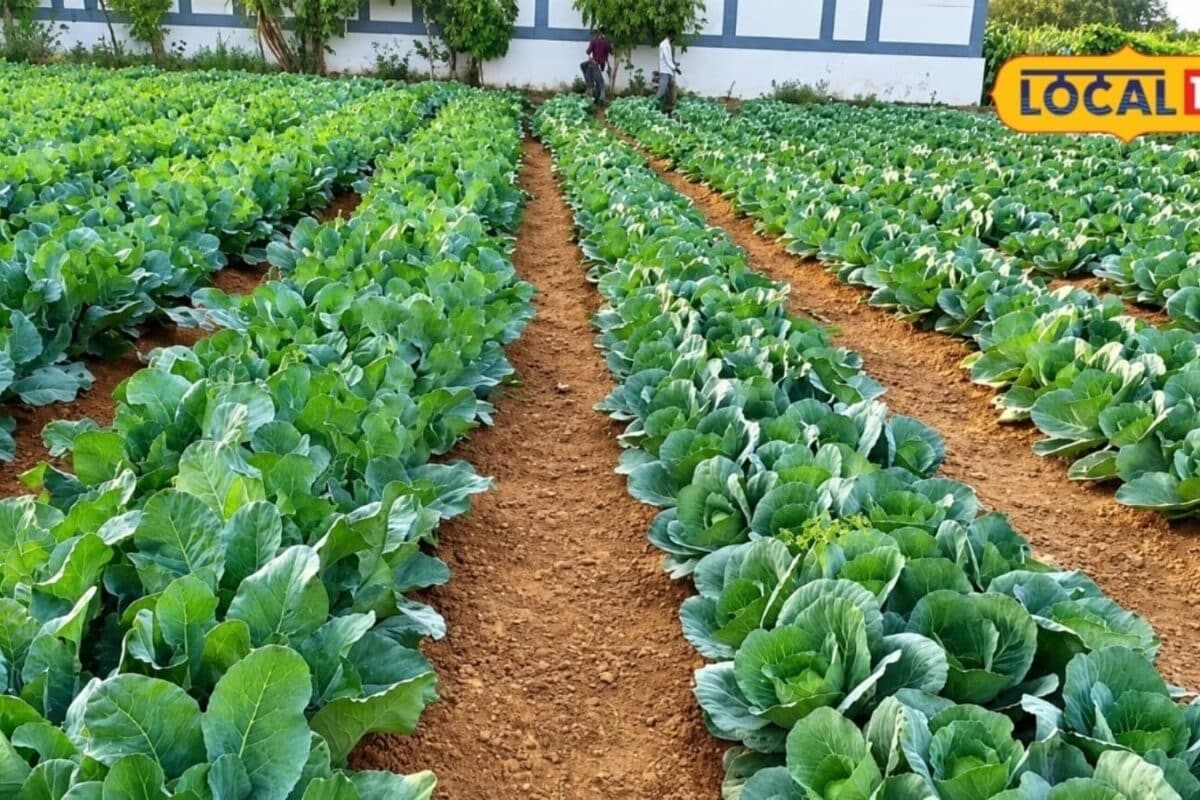
In the Israwala village located within the rural expanse of Jaipur, a transformative shift in agricultural practices is steadily taking root through the dedication of local farmer Shaitan Singh. By championing organic farming methods for a diverse array of vegetables, Singh has successfully established a distinct cultivation model that challenges conventional, chemical-dependent farming norms. This comprehensive initiative highlights the viability of sustainable agriculture in addressing rising input costs while simultaneously improving the overall quality of farm produce.
For several years, the agricultural landscape of Jaipur and its surrounding rural zones has witnessed intensive farming practices heavily reliant on synthetic fertilizers and chemical pesticides. Recognizing the long-term degradation of soil vitality and the escalating financial burdens on cultivators, Shaitan Singh resolved to pivot toward organic methodologies. His foundational philosophy centers on restoring natural soil health, optimizing water resource management, and aligning crop cycles meticulously with ecological requirements and seasonal timelines.
At the heart of Singh's operational success is the extensive cultivation of premium-grade cabbage, alongside complementary production of cauliflower, broccoli, tora, and various other seasonal vegetables. While large numbers of farmers across Israwala and neighboring agricultural sectors traditionally engage in cabbage farming, Singh's systematic approach distinguishes itself through rigorous field management and stringent avoidance of hazardous chemicals. This meticulous attention to detail effectively mitigates financial risks associated with purchasing expensive commercial agricultural inputs.
Agricultural experts and fellow cultivators observing these farming practices note that Singh's methodology bridges the critical gap between traditional agrarian wisdom and contemporary scientific understanding. By integrating ancestral knowledge regarding local weather patterns and soil characteristics with modern insights into market demand and crop care, he achieves consistently superior yields. Local farming communities frequently examine his fields to understand the practical execution of soil nutrition maintenance and pest prevention without chemical interventions.
The broader economic implications of this organic farming model extend significantly across the rural economy of Jaipur and adjoining districts like Kotputli-Behror. As input expenditures plummet, participating farmers retain a larger share of their harvest revenues, thereby strengthening household financial security. Furthermore, the availability of chemical-free vegetables enhances public health outcomes within local consumer markets, creating a mutually beneficial ecosystem that links sustainable production directly with conscious consumer demand.
Although direct administrative interventions or statutory oversight policies are continually evolving to support organic transitions, progressive farmers like Shaitan Singh demonstrate that grassroots innovation often precedes formal institutional frameworks. Agricultural extension services within the region increasingly recognize the necessity of documenting and disseminating such successful localized models to encourage wider adoption among marginal and small-scale landowners.
Looking toward the future, the continuous refinement of these organic cultivation techniques promises to fortify the regional agricultural sector against climate unpredictability and market price volatility. As more producers in Israwala and greater Jaipur observe the tangible economic and ecological benefits achieved by Shaitan Singh, the movement toward chemical-free, knowledge-driven farming is anticipated to gain substantial momentum in the coming harvest cycles.
