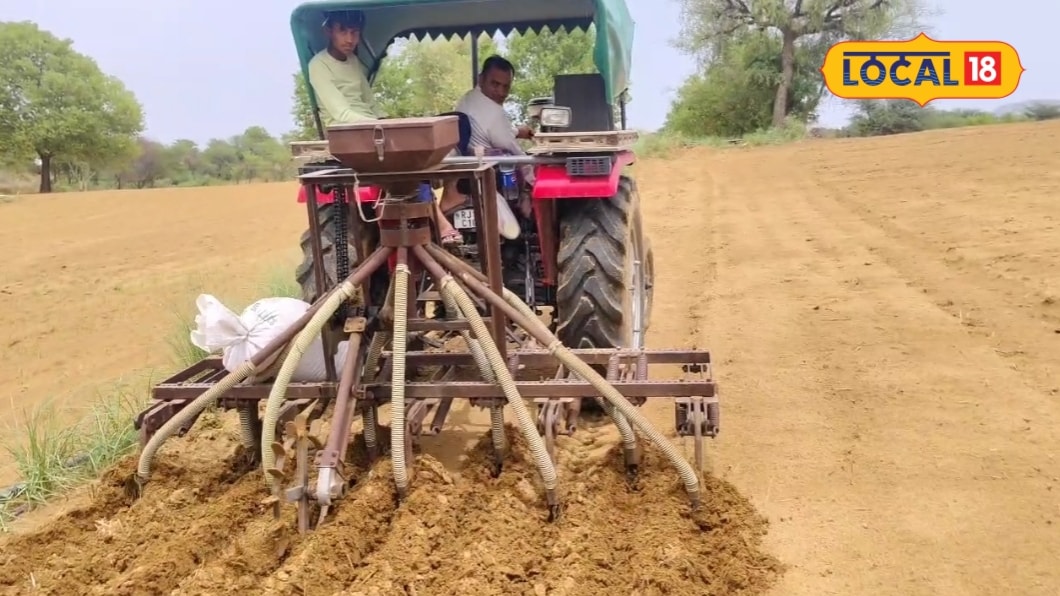
Farmers across the Shekhawati region have significantly accelerated their preparations for the upcoming Rabi crop season, galvanized by the optimal residual moisture left in agricultural fields following the recent completion of Kharif crop harvesting. This natural moisture retention has emerged as a crucial boon for the agricultural community, significantly reducing the initial irrigation requirements and providing an ideal environment for seed germination and early plant establishment.
Reflecting on traditional agricultural cycles in the region, the transition from the Kharif to the Rabi season has historically demanded careful management of soil water resources. The unique climatic and geographical conditions of Shekhawati often present distinct challenges regarding groundwater levels, making the conservation of post-monsoon and post-Kharif soil moisture an invaluable asset for local agrarian families whose livelihoods depend entirely on successful seasonal yields.
At the ground level, the current agricultural activity is heavily concentrated on preparing fields for staple Rabi crops, prominently including wheat, gram, mustard, and barley. Farming households are actively engaged in plowing, leveling, and field dressing to lock in the existing sub-surface moisture before it evaporates under seasonal temperature shifts, ensuring that the seedbed remains adequately hydrated for the sowing operations.
Agricultural specialists and extension officers have stepped forward to guide the farming community through this critical preparatory phase, offering vital technical recommendations. Experts have strongly advised farmers to conduct comprehensive soil health tests prior to applying any fertilizers, ensuring that nutrient management remains balanced and cost-effective rather than relying on arbitrary applications.
Emphasizing the biological and financial aspects of crop management, advisors have highlighted the absolute necessity of utilizing certified high-yielding seed varieties. In particular, the timely sowing of mustard and gram has been underscored as a decisive factor in mitigating pest vulnerabilities and achieving optimal market yields during the subsequent harvest season.
An important dimension of the current advisory emphasizes sustainable farming practices, specifically urging cultivators to completely refrain from burning crop residues. Instead, experts recommend integrating these leftover materials directly back into the soil, a practice proven to substantially enhance long-term soil organic matter, microbial activity, and overall agricultural productivity across the region.
Looking toward the weeks ahead, the collective focus of the local agricultural machinery remains firmly on executing timely sowing operations while adhering strictly to scientific guidelines. With favorable moisture conditions providing a strong foundational start, the farming community in Shekhawati remains optimistic about securing a robust and economically rewarding Rabi harvest.