
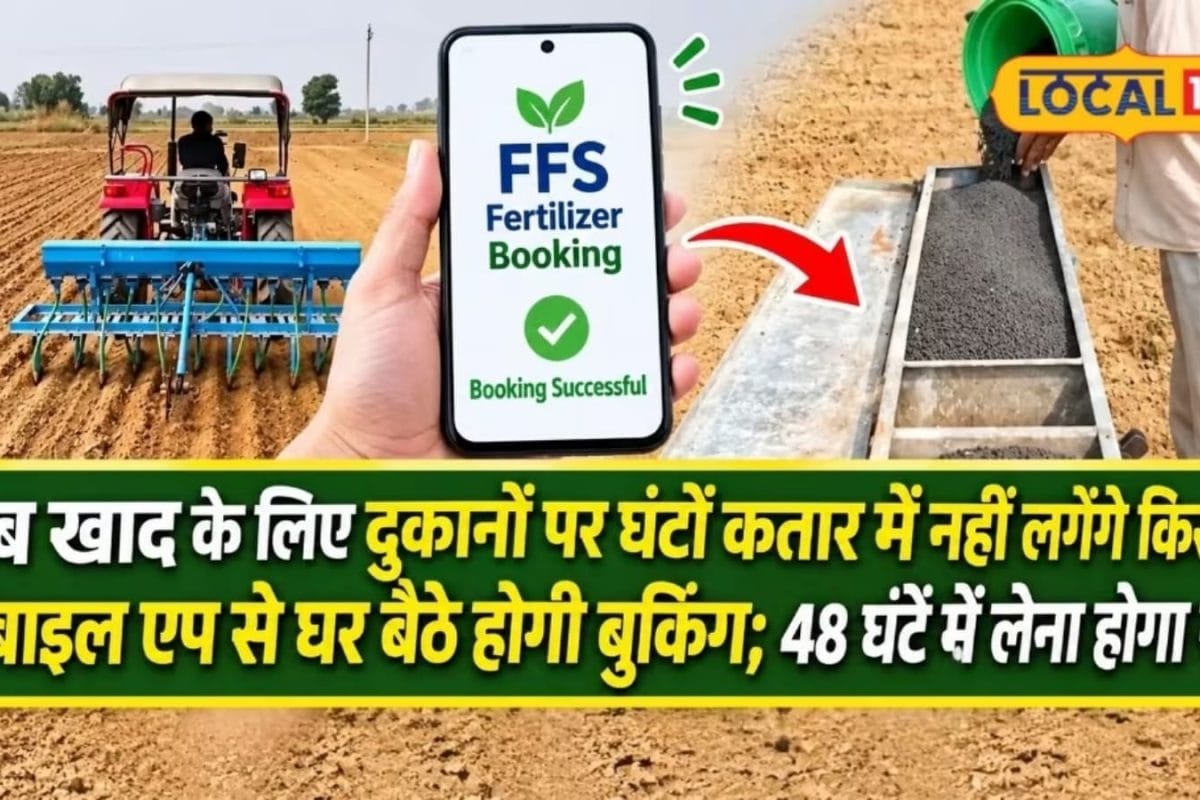
In a significant administrative overhaul aimed at easing the immense hardships faced by the farming community, the agricultural authorities in Jhunjhunu district are all set to overhaul the traditional fertilizer distribution network. Starting from November 25, farmers across the region will be able to book their quota of essential fertilizers in a manner similar to booking domestic cooking gas cylinders. This revolutionary technological shift intends to completely eliminate the grueling practice of standing in serpentine queues outside retail outlets for hours to secure vital farming supplies.
Historically, the distribution of agricultural inputs like urea and di-ammonium phosphate during peak sowing seasons has been plagued by severe logistical bottlenecks, mismanagement, and chaotic crowds outside cooperative and private retail shops. Farmers often had to endure extreme weather conditions, sacrifice valuable farming hours, and face uncertainty regarding the availability of stocks. Recognizing these persistent grievances, the administration has conceptualized a structured digital mechanism to streamline the entire process from availability checking to final delivery at the farmgate level.
Under the newly minted operational guidelines, the Department of Agriculture is deploying the specialized Framework for Fertilizer Sale application. This digital interface allows agriculturists to check real-time stock availability at nearby fertilizer shops directly through their mobile phones and book their required supplies from a preferred vendor. The administrative framework mandates that once a booking is successfully registered through the application, the physical delivery of the urea or di-ammonium phosphate must be fulfilled within a strict window of 48 hours, ensuring timely input availability for crop management.
To ensure equitable distribution and prevent hoarding by large landowners or commercial syndicates, the agricultural department has established clear quantitative restrictions linked to landholdings. Specifically, the regulatory framework stipulates that a farmer possessing one hectare of agricultural land is entitled to receive five bags of urea and three bags of di-ammonium phosphate for the entire agricultural season. These precise allocations have been formulated to match the actual nutritional requirements of the soil while safeguarding against artificial shortages and erratic supply chain fluctuations.
Addressing the digital divide and ensuring complete inclusivity, the administrative machinery has made special provisions for cultivators who do not possess smartphones or lack digital literacy. Such individuals are not required to navigate the mobile application independently; instead, they can walk into any authorized E-Mitra center and complete their booking seamlessly by presenting their Aadhaar card. This dual-access mechanism ensures that every legitimate tiller of the land, regardless of their technological proficiency, can access their entitled quota without encountering systemic hurdles.
The overarching objective of this progressive policy intervention is to instill absolute transparency across the supply chain and deal a severe blow to unscrupulous elements engaging in black-marketeering and illegal profiteering. Past instances of hoarding often forced vulnerable agriculturists to purchase essential soil nutrients at exorbitant, inflated rates, deeply impacting their operational budgets and agricultural yields. By bringing accountability and digital tracking into the distribution channel, local authorities expect to restore order and fairness to the agrarian economy of the district.
As the rollout date of November 25 approaches, district agricultural officials are conducting extensive awareness campaigns to educate local farming cooperatives, village representatives, and individual cultivators about the operational modalities of the Framework for Fertilizer Sale application and E-Mitra booking procedures. Stakeholders across the board are viewing this technological transition with high optimism, anticipating a hassle-free agricultural season where farming inputs are delivered efficiently, transparently, and strictly in accordance with established administrative norms.
