
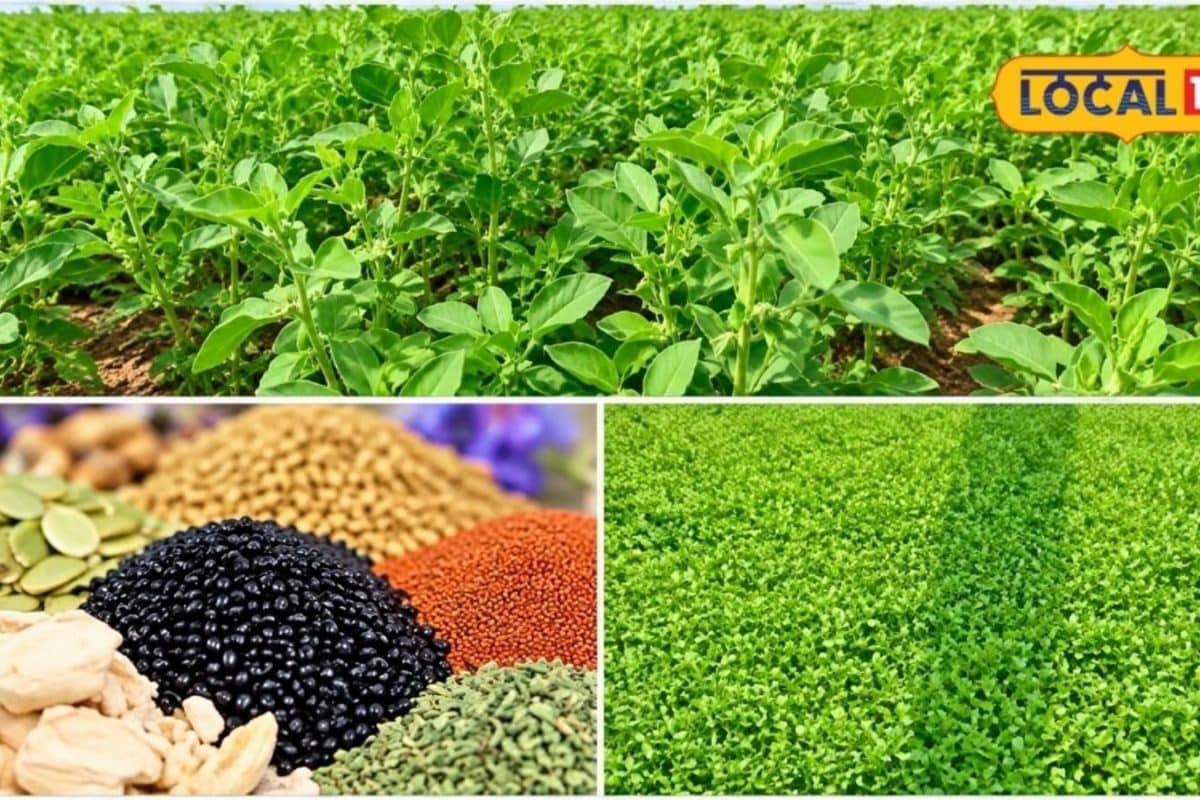
In a significant development for the agrarian economy of Rajasthan, spice manufacturing major MDH is opening new avenues of lucrative earnings for spice-producing farmers across the Nagaur district. Under this progressive initiative, the renowned enterprise will procure spice yields directly from agricultural fields, eliminating intermediaries and ensuring better financial returns for the cultivators. The fundamental premise of this procurement strategy rests on rewarding agricultural excellence, specifically targeting pesticide-free produce or yields containing chemical residues strictly within authorized safety standards.
Agricultural markets and rural supply chains have historically subjected primary producers to multiple layers of middlemen, often eroding a substantial portion of rightful profits. Recognizing this systemic bottleneck, the corporate procurement model introduced in Nagaur seeks to transform traditional trade dynamics. By establishing a direct channel between the agricultural fields of rural producers and processing units, the initiative establishes a transparent mechanism where superior crop quality directly translates into enhanced financial compensation surpassing standard local mandi rates.
To operationalize this ambitious venture, the regional unit of MDH has formally rolled out a specialized outreach initiative titled 'From Soil to Spices'. The foundational launch of this awareness campaign took place in Indokli village, marking a promising beginning where more than fifty local farmers demonstrated enthusiastic participation by completing their official registrations. This initial milestone reflects a growing regional inclination toward organized, quality-driven agricultural commerce that promises predictable economic dividends for hardworking rural families.
As part of the operational rollout, a dedicated awareness vehicle has been deployed to traverse agricultural settlements and rural clusters within a one hundred fifty kilometer radius originating from Nagaur. This mobile dissemination unit aims to bridge critical knowledge gaps regarding modern agronomic practices, safe cultivation methodologies, and the imperative need for balanced, restrained pesticide applications. Agricultural scientists and extension specialists working alongside the program emphasize that excessive chemical usage not only degrades the inherent organic quality of the harvested spices but ultimately diminishes the net profitability of the cultivators.
The broader regional implications of this direct procurement drive extend far into the rural socioeconomic fabric, offering a reliable blueprint for sustainable agricultural entrepreneurship. Farming communities within the wider expanse are observing these developments with considerable optimism, recognizing that adherence to stringent quality parameters can directly unlock lucrative corporate supply chains. This corporate-producer synergy encourages local cultivators to transition away from indiscriminate chemical treatments toward precision agriculture, thereby safeguarding soil health and consumer well-being simultaneously.
Agricultural authorities and regional extension agencies have welcomed the corporate intervention, noting that private sector engagement in quality assurance complements governmental efforts toward sustainable farming. Official observers point out that when industrial buyers actively incentivize residue-free cultivation through premium pricing structures, farmers naturally align their production methodologies with national and international food safety benchmarks. This collaborative ecosystem fosters long-term agricultural resilience across the entire administrative division.
Looking ahead, the initiative is poised to expand its geographic footprint and enroll a significantly larger contingent of agricultural producers in the coming months. With the awareness vehicle currently navigating rural interiors and registering progressive growers, expectations remain high for a substantial transformation in how spices are cultivated, harvested, and marketed in the region. By cementing a direct commercial bridge between regional farming fields and corporate processing units, Nagaur is setting a commendable benchmark for progressive agricultural trade and rural empowerment.
