
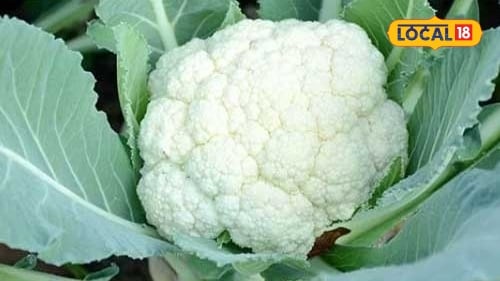
Agricultural authorities have released critical guidelines for winter cauliflower growers, underlining that the specific period spanning 20 to 45 days after transplantation dictates the ultimate success of the harvest. During this foundational developmental phase, the physiological needs of the cauliflower crop undergo rapid changes that require precise oversight. Farmers aiming for high-grade produce and maximum financial returns must implement targeted agronomic strategies immediately upon entering this transformative cultivation window.
Historically, winter vegetable farming has formed the backbone of regional agricultural economies, with cauliflower ranking among the most economically viable cash crops cultivated across fertile lands. The traditional knowledge passed down through generations emphasizes the delicate balance required in soil health, climate adaptation, and nutrient intake. Over the decades, modern agronomy has refined these traditional practices into science-backed methodologies, highlighting the specific nutritional milestones that plants must achieve during their vegetative growth stages.
At the heart of this agricultural advisory are four indispensable management practices that directly govern the structural integrity, coloration, and commercial grading of the harvested curds. Field data indicates that meticulous regulation of micronutrients and water supply during the crucial 20 to 45-day timeframe prevents common physiological disorders such as hollow stem, browning, and stunted curd expansion. Agricultural specialists continue to monitor these metrics closely to protect farmers against unexpected economic losses and substandard market yields.
Farming community representatives, local agricultural extension officers, and veteran cultivators have welcomed these structured recommendations, noting that timely intervention often separates a profitable harvest from a failed crop. Experienced growers frequently share insights regarding the visible stress indicators in young plants, which serve as early warning signs for nutrient deficiencies. Market traders also acknowledge that well-managed, pristine white cauliflowers command premium pricing in wholesale mandis compared to poorly nourished alternatives.
The regional agricultural landscape heavily depends on successful winter vegetable cycles, impacting local supply chains, rural employment, and overall market liquidity. In districts renowned for intensive vegetable production, the adoption of scientifically proven management protocols strengthens the economic stability of farming households. Agricultural cooperatives actively disseminate these advisory guidelines to ensure that every cultivator within the jurisdiction can optimize their operational inputs and financial outcomes.
Local administrative bodies and agricultural departments continue to organize informational outreach programs, distributing literature on balanced fertilization and advanced irrigation scheduling. Extension workers are deployed across rural sectors to assist farmers in soil testing and precise micronutrient application. These institutional measures aim to modernize traditional farming methodologies and bridge the gap between laboratory research and practical field execution.
Looking forward, agricultural planners remain optimistic about the upcoming harvest season, provided cultivators strictly adhere to the recommended four-point management protocol between the 20th and 45th days of crop establishment. Continued monitoring by agricultural scientists and proactive community engagement will remain pivotal in sustaining high productivity standards. Ultimately, disciplined crop management during this critical window ensures a resilient agricultural ecosystem and sustained prosperity for the farming community.
