
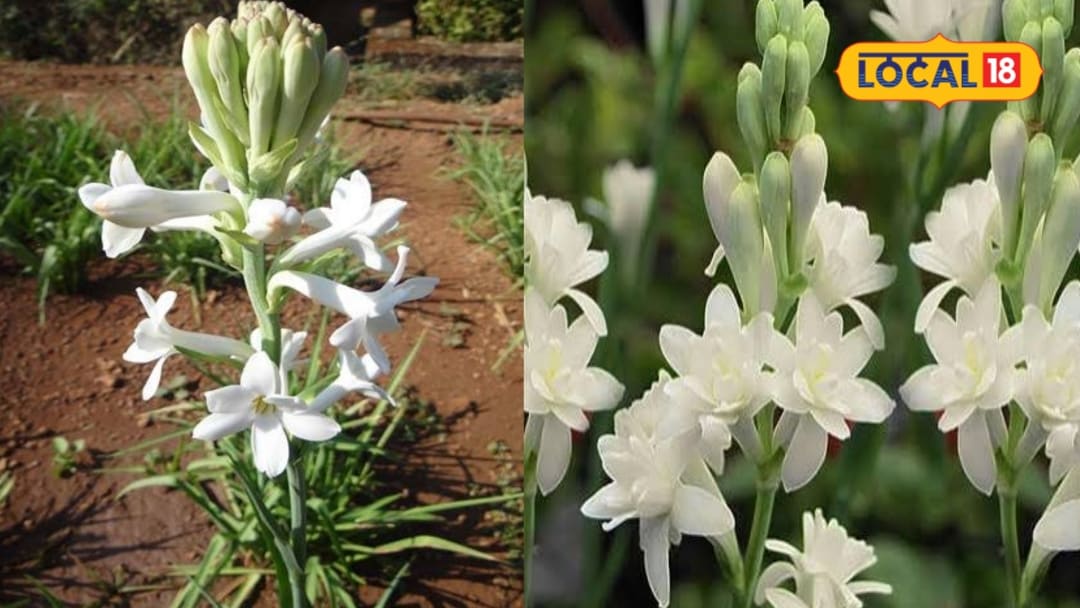
In an effort to maximize agricultural returns through diversified cropping, farmers in Sikar are increasingly adopting tuberose cultivation. This specialized farming method offers a reliable source of income with relatively low initial investments, transforming the local agrarian landscape. Agricultural experts and progressive cultivators are emphasizing the immense financial viability of growing tuberose, popularly known as Rajanigandha, in the region's prevailing climatic conditions.
Historically, local cultivators in Sikar have relied heavily on traditional seasonal crops, which often left them vulnerable to erratic weather patterns and fluctuating market prices. The introduction and systematic adoption of commercial flower farming represent a strategic shift toward high-value horticulture. Tuberose has emerged as a preferred choice because it requires less capital investment while promising consistent commercial viability over an extended cultivation cycle.
A critical financial advantage of tuberose farming is its prolonged productivity, allowing farmers to generate continuous earnings for two to three years from a single plantation. According to agricultural guidelines, flowers begin to bloom approximately three to three and a half months after the initial planting of the bulbs. Strategic timing during harvest is essential, as picking the flowers at the precise physiological stage ensures superior market prices and higher commercial acceptance among floral traders.
Local agricultural stakeholders, including experienced growers and cooperative farming groups, have shared encouraging observations regarding crop management. Cultivators point out that successful production relies heavily on proper soil selection, meticulous bulb planting techniques, and disciplined application of manure and irrigation. When these agronomic practices are meticulously followed, the yield and floral quality improve significantly, directly translating into better profitability for the farming households involved.
The expansion of tuberose cultivation in Sikar carries positive economic implications for the broader regional economy, extending its benefits to neighboring districts including Kotputli-Behror. As local markets witness an influx of fresh, high-quality floral produce, small-scale traders, transporters, and retail florists find enhanced business opportunities. This interconnected commercial ecosystem strengthens rural livelihoods and fosters sustainable economic development across the community.
Agricultural extension officers and district horticulture authorities are actively monitoring these farming trends and offering necessary technical advisory services. Officials are organizing awareness workshops to educate farmers on modern cultivation practices, optimal irrigation scheduling, and pest management strategies. These institutional measures aim to safeguard crop yields and ensure that cultivators can navigate market challenges effectively while maximizing their harvest quality.
Looking forward, the outlook for tuberose cultivation in the region remains highly promising, with expectations of increased acreage and wider participation among farming communities. As more cultivators adopt this perennial flower crop, local agricultural markets are anticipated to develop into prominent regional hubs for floral trade. The structured timeline from planting to continuous multi-year harvesting establishes a resilient foundation for long-term agricultural prosperity.
