
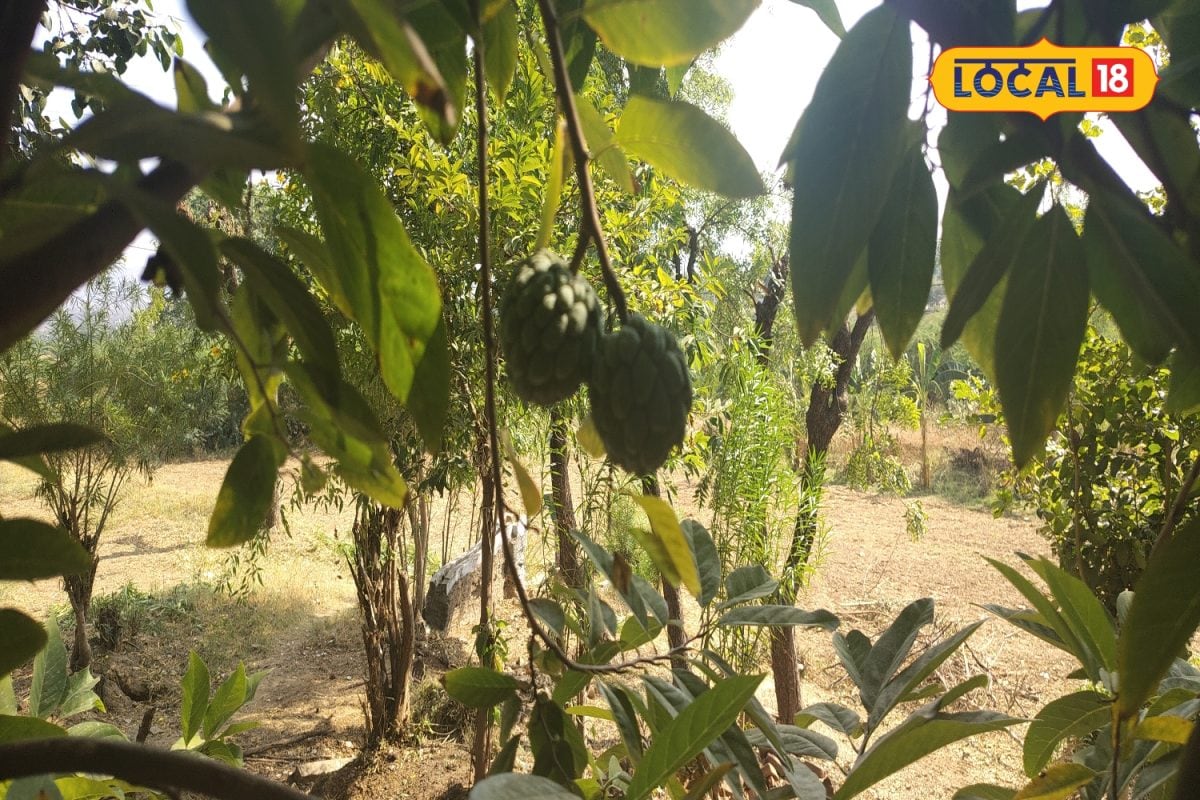
Residents across Rajasthan are increasingly embracing urban horticulture by successfully cultivating the naturally occurring mountain fruit, the custard apple, within the comfort of their home gardens and potted containers. This evolving green initiative bridges the gap between wild indigenous flora and domestic gardening, allowing households to harvest fresh, sweet produce directly from their rooftops and balconies. Agricultural enthusiasts and local cultivators are continuously exploring innovative ways to integrate native vegetation into residential landscapes, fostering a sustainable environment and promoting local biodiversity within densely populated urban and semi-urban settlements.
Historically, the custard apple has thrived predominantly as a wild, unmanaged plant across the rugged terrains and hilly tracts of the region, adapting remarkably well to arid and semi-arid agro-climatic conditions. Without requiring intensive commercial interventions, these resilient shrubs have sustained themselves through extreme weather fluctuations. The modern shift toward cultivating these traditional plants in domestic settings represents a conscious effort by citizens to reconnect with indigenous agricultural heritage, ensuring that hardy native species find a permanent place in contemporary residential green spaces rather than remaining confined strictly to distant hillsides.
Achieving successful cultivation in a domestic environment requires careful adherence to specific horticultural parameters, particularly concerning soil composition, sunlight exposure, hydration, and organic nourishment. According to botanical guidelines, the optimal time to plant custard apples is during the monsoon season in June and July, when atmospheric humidity and soil moisture naturally support root establishment. Furthermore, cultivators must ensure that the plant receives a minimum of 4 to 6 hours of direct sunlight daily, as adequate solar exposure is vital for healthy foliage development and subsequent fruit production during the maturation cycle.
Horticultural advisors and experienced gardeners frequently engage with local community members to share technical insights regarding the timeline and growth patterns of these domestic plantations. Stakeholders emphasize that selecting the right planting material significantly influences the harvest schedule. Specifically, a grafted plant generally begins bearing fruit within 2 to 3 years of plantation, whereas a variant cultivated directly from seeds requires a slightly longer maturation period of 3 to 5 years before yielding its first harvest of sweet, nutrient-rich fruits.
The integration of wild mountain fruit varieties into the domestic landscapes of the region holds notable significance for local communities and neighborhood ecosystems. By encouraging families to utilize rooftop space and courtyard pots for fruit cultivation, urban areas within the region experience an enhancement in green cover. This localized agricultural practice not only contributes to microclimate amelioration but also instills a deeper appreciation for self-reliance and sustainable living among residents who take pride in harvesting chemical-free organic produce right outside their living rooms.
Administrative bodies, local environmental circles, and agricultural extension offices continuously monitor these grassroots gardening trends, offering informational workshops and advisory support to encourage responsible urban farming. While the plantation of custard apples remains largely an individual domestic pursuit rather than a heavily regulated commercial undertaking, municipal and district agricultural advisors promote these initiatives as part of broader campaigns to enhance urban greenery and promote indigenous plant species across residential sectors.
Looking toward the forward outlook, agricultural specialists anticipate a steady rise in domestic fruit cultivation as more households adopt scientific gardening methods during the forthcoming monsoon months of June and July. With clear timelines established—such as the 2 to 3-year fruiting window for grafted variants and the 3 to 5-year timeline for seed-grown specimens—residents are well-equipped to plan long-term green projects. Public expectations remain high as community members look forward to enjoying bountiful harvests of sweet mountain custard apples grown sustainably in their own backyards and rooftops.
