
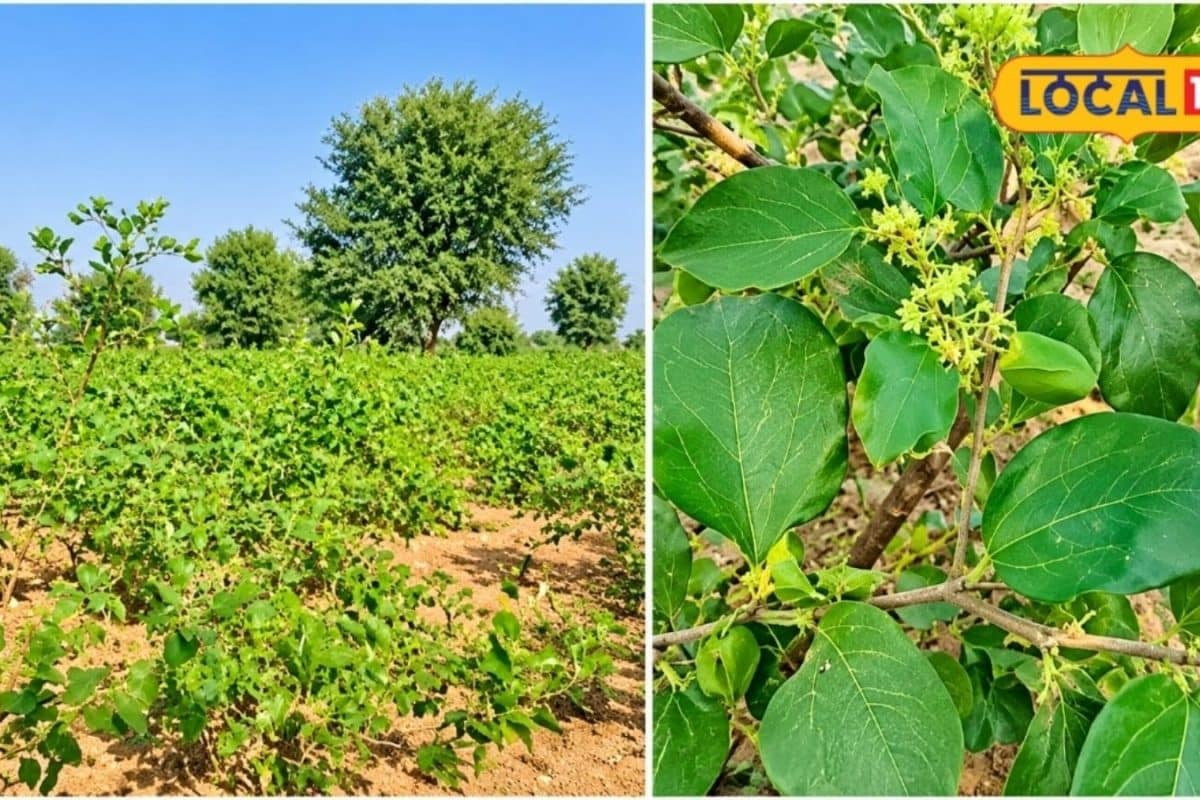
Agriculture in arid and semi-arid territories often presents persistent challenges regarding water scarcity and unpredictable climatic conditions. However, innovative agronomic practices are continuously reshaping rural livelihoods by introducing resilient crops. In recent developments across Rajasthan, agricultural specialists have underscored the immense potential of jujube cultivation as a robust and dependable source of revenue for farming communities struggling with limited irrigation resources.
Historically, traditional farming in these low-water regions depended heavily on seasonal rainfall, leaving cultivators vulnerable to droughts and crop failures. Over the decades, agricultural research has pivoted toward identifying drought-resistant species that thrive in harsh environments. Jujube has emerged as a premier horticultural choice because of its natural adaptability to dry climates, requiring minimal moisture compared to conventional fruit crops while offering exceptional resilience against extreme temperatures.
A critical aspect of successful jujube production lies in adhering to scientific cultivation protocols and orchard management. Horticultural guidelines recommend maintaining a systematic planting distance of 6 to 8 meters between individual plants to ensure optimal canopy development, sunlight penetration, and nutrient absorption. When managed under proper care and strategic oversight, a single mature jujube plant can yield an impressive average of 60 to 80 kilograms of high-quality fruit, significantly boosting agricultural productivity per acre.
Agricultural extension officers and veteran cultivators emphasize that maximizing yields requires meticulous attention during specific physiological stages of the crop. Particular care must be devoted to irrigation schedules during crucial phases such as the emergence of new shoots, the critical flowering period, and the subsequent fruit-setting stage. Maintaining adequate soil moisture without causing waterlogging is paramount for sustaining the health and heavy fruit load of the trees.
Beyond irrigation management, the economic success of jujube orchards heavily depends on proactive plant protection measures. Growers must maintain continuous vigilance against prevalent agricultural pests and fungal diseases, including fruit flies, chafer beetles, powdery mildew, and leaf blight. Timely identification and targeted treatment using recommended remedies protect the harvest from severe degradation, ensuring that farmers secure maximum market value for their produce.
Administrative bodies and regional agricultural departments are actively promoting these sustainable farming methodologies across Rajasthan to empower rural economies. Workshops and training sessions are being organized to educate local growers on advanced pruning techniques, organic pest management, and optimal fertilization schedules. These institutional efforts aim to bridge the knowledge gap and encourage widespread adoption of climate-resilient horticulture.
Looking toward the future, the integration of scientific jujube farming promises a secure and prosperous financial horizon for agricultural households in water-deficient areas. By systematically adopting improved crop varieties such as Gola, Sev, Mundia, and Umran, alongside disciplined orchard management, cultivators can transform marginal lands into highly productive assets. This strategic shift not only guarantees sustainable livelihoods but also fortifies the regional agrarian framework against ongoing environmental shifts.
