
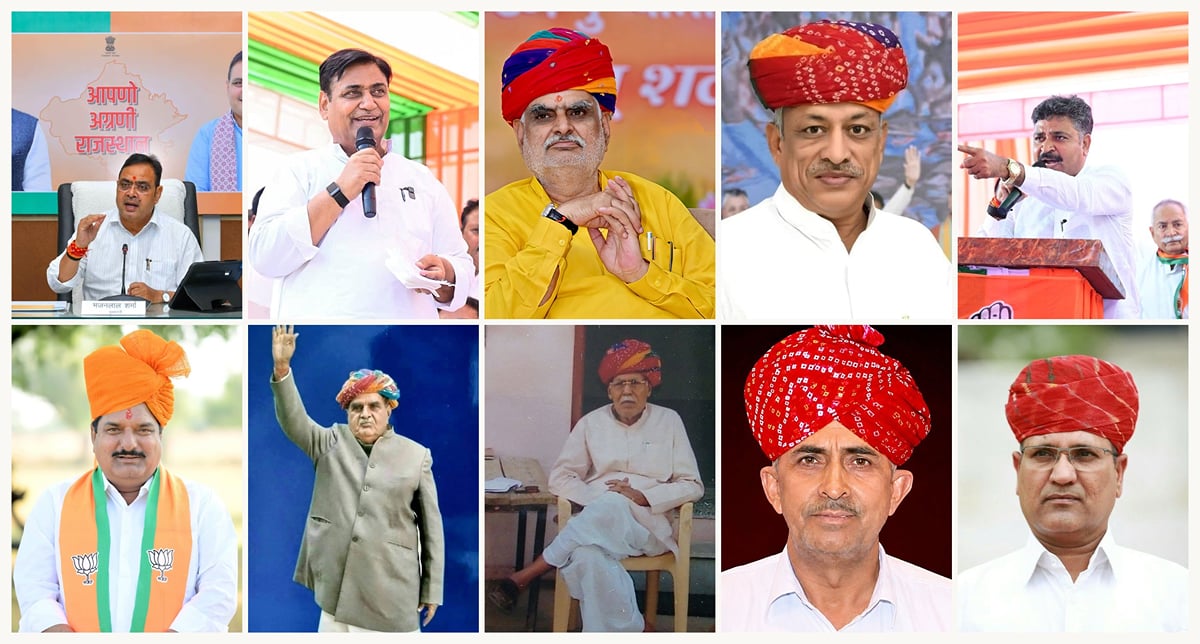
The democratic structure of Rajasthan has consistently served as an incubator for national and regional political leadership, with local self-government institutions playing a foundational role in shaping the destinies of numerous prominent figures. Across the vast geographical expanse of the state, the journey of several influential leaders did not begin in metropolitan legislative assemblies or high-profile party headquarters, but rather in the dusty lanes of rural villages through local body elections.
Historically, the panchayati raj system in Rajasthan has operated as the primary nursery for Indian democracy, offering an unfiltered view of governance, rural socio-economic challenges, and administrative machinery. Leaders who initially contested elections for the position of village sarpanch or panchayat committee pradhan gained an unparalleled, granular understanding of public grievances at the absolute grassroot level.
This foundational phase of political apprenticeship allowed future legislators, cabinet ministers, parliamentarians, and chief ministers to cultivate direct personal rapport with rural constituents. Unlike leaders who enter the political arena through urban or elite pathways, those emerging from panchayats developed an intimate familiarity with issues concerning local resource allocation, agricultural distress, and community mobilization.
Political analysts and veteran observers frequently emphasize that navigating the intricate social dynamics, caste equations, and local rivalries inherent in rural panchayat elections equips aspiring politicians with exceptional conflict-resolution and leadership skills. These grassroots battlegrounds test a candidate's resilience, persuasive abilities, and administrative capacity on a remarkably intimate scale.
Within the specific administrative jurisdiction of the Kotputli-Behror region and surrounding rural sectors, the inspiration drawn from these grassroots success stories remains profoundly relevant. Local youth and aspiring community workers often view the panchayati raj institutions not merely as administrative bodies, but as legitimate stepping stones toward higher legislative accountability and broader societal service.
Administrative authorities and election observers continually underscore the structural significance of strengthening local governance frameworks to ensure transparent leadership development. By fostering leadership at the village tier, the democratic ecosystem naturally filters individuals who have demonstrated genuine administrative competence and public empathy during their tenure as local representatives.
Looking toward the future, the political trajectory from sarpanch to the highest echelons of state governance continues to inspire generations of political aspirants in Rajasthan. As upcoming electoral cycles approach, the foundational importance of rural bodies in molding empathetic, grounded, and resilient political leadership remains an enduring hallmark of the state's vibrant democratic tradition.
