
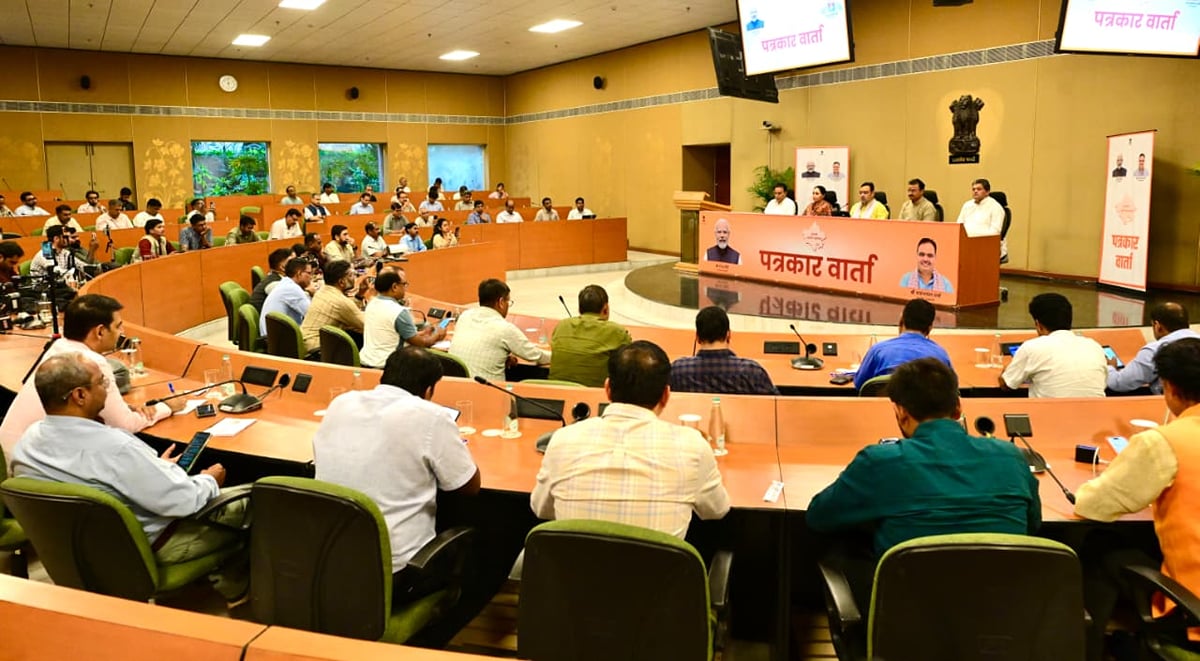
In the wake of notable electoral successes secured during the recent urban local body elections, the political landscape in the state has entered a highly active phase, marked by intense strategic planning. Chief Minister Bhajanlal Sharma has formally shifted the political momentum of the ruling party directly toward the upcoming Panchayati Raj elections, initiating high-level consultations with key cabinet ministers to ensure total electoral dominance across rural administrative tiers.
The strategic deliberations led by Chief Minister Bhajanlal Sharma build upon the established electoral momentum generated by the party's recent victories in urban municipal bodies. The leadership is meticulously analyzing past voting patterns, demographic shifts, and regional performance indicators to craft an infallible roadmap that bridges urban administrative success with rural governance consolidation.
At the core of this aggressive political strategy is the Bharatiya Janata Party's overarching objective to establish what leadership terms a seamless 'triple engine' government. This administrative vision aims to align political leadership and developmental execution harmoniously from the grassroots village panchayat level all the way up to the apex district council structures, ensuring unhindered implementation of welfare policies.
During the closed-door consultative sessions, senior ministers deliberated extensively on logistical frameworks, organizational preparedness, and micro-level campaign management required for the vast rural electorate. The discussions emphasized grassroots outreach, active engagement with local community leaders, and the systematic mobilization of party cadres across every single administrative block and electoral district.
The regional ramifications of this concerted political push are profound, particularly for developing semi-urban and rural constituencies within districts such as Kotputli-Behror. Local socio-economic dynamics, infrastructural development grants, and decentralized administrative execution are anticipated to experience heightened political attention as the ruling party intensifies its grassroots campaign machinery.
Administrative machinery and statutory oversight bodies are simultaneously gearing up to ensure free, fair, and transparent electoral processes across all tiers of the Panchayati Raj institutions. State election authorities are reviewing logistical requirements, polling station security, and staff deployment to facilitate seamless democratic participation for millions of rural voters.
Looking ahead, the political timeline points toward an intensely contested electoral battleground in the villages and districts. As Chief Minister Bhajanlal Sharma and his ministerial colleagues finalize the blueprint, the party machinery stands mobilized to translate urban electoral triumphs into sweeping mandates across the entire rural local governance structure.
