
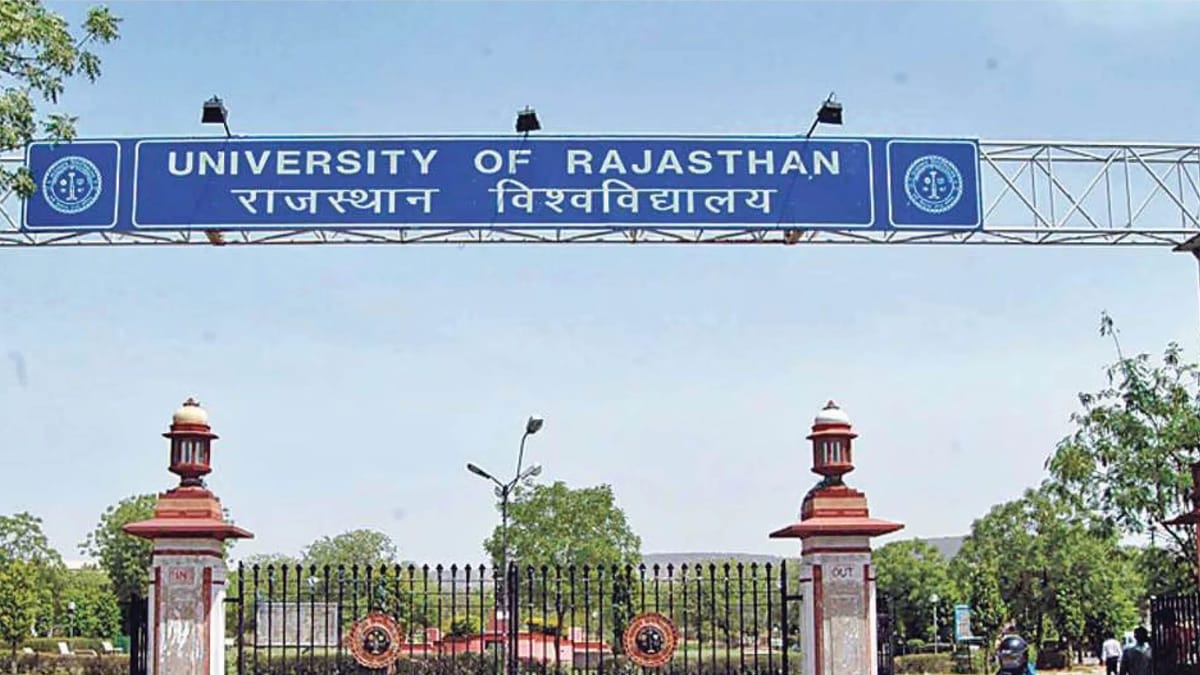
A cloud of uncertainty has descended upon higher educational institutions across Rajasthan following a recent administrative directive issued by the Directorate of College Education. The development has triggered widespread debates and speculation within academic circles, political factions, and student organizations regarding the ultimate survival and continuity of student union elections in the state. As stakeholders analyze the implications of the official communication, concerns are mounting over whether democratic student representation within campuses is facing a permanent or temporary halt.
Historically, student union elections in Rajasthan have served as a foundational nursery for state and national politics, shaping the leadership journeys of numerous prominent political figures over successive decades. These annual polls traditionally galvanized campuses, transforming academic spaces into vibrant arenas of ideological debates, youth mobilization, and electoral campaigning. However, administrative apprehensions regarding escalating expenditures, disruptions to the academic calendar, and occasional law and order challenges have frequently placed these elections under severe scrutiny by successive state administrations.
The immediate catalyst for the current controversy is a specific directive from the Directorate of College Education that mandates the discontinuation of fee collections ostensibly designated for conducting student union elections. Financial collections from students have traditionally formed the logistical bedrock for funding election manifestos, printing ballots, organizing debates, and managing campus polling booths. By halting these specific collections at the institutional level, the administration has effectively disrupted the financial ecosystem that sustains large-scale student electoral exercises across government and affiliated colleges.
Reactions from various stakeholders have been swift, diverse, and sharply divided along ideological and administrative lines. Student leaders argue that restricting elections and stopping associated financial collections directly infringes upon the democratic rights of youth to choose their representatives and voice institutional grievances. Conversely, a section of academicians, parents, and institutional heads have expressed cautious support for measures that prioritize uninterrupted academic sessions, classroom discipline, and stress-free educational environments devoid of campus polarization.
Within regional educational hubs such as Kotputli-Behror and surrounding districts, the administrative order has become a primary topic of intense discussion among college students, local merchants, and educational administrators. Local economies that traditionally benefited from campaign-related printing, stationary sales, and small-scale promotional activities are already assessing the indirect economic fallout of potential election suspensions. Community elders and local intellectuals are actively debating the long-term societal consequences of curbing democratic political training grounds for the younger generation.
Administrative authorities and government officials maintain that all institutional circulars and directives are issued strictly in accordance with statutory guidelines, financial propriety, and the overarching objective of maintaining academic excellence. Oversight mechanisms are being reviewed to ensure that institutional resources and student welfare funds are channeled exclusively toward educational infrastructure, library enrichment, and academic skill development programs rather than discretionary electoral activities.
As the academic session progresses, all eyes remain fixed on the higher echelons of the state government and the Directorate of College Education for further clarifications, comprehensive policy frameworks, or potential revisions. Student unions are currently weighing legal options, peaceful democratic protests, and formal representations to reverse the restrictive measures. The ultimate resolution of this administrative debate will undeniably shape the future landscape of campus democracy and youth political engagement throughout Rajasthan for years to come.
