
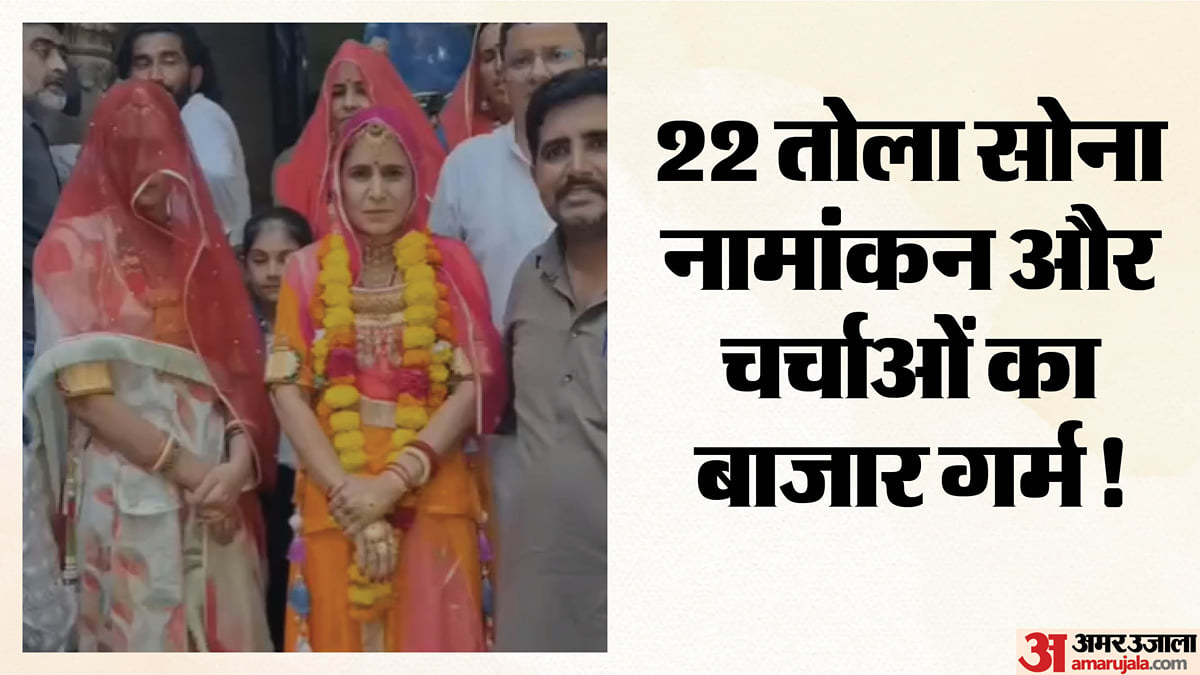
The political atmosphere in the historic district of Jodhpur, located within the state of Rajasthan, reached a distinct level of vibrancy during the final day of filing nominations for the Panchayati Raj general elections 2026. Electoral seasons in this desert state traditionally bring forth varied expressions of cultural heritage, personal identity, and socio-economic standing among aspirants seeking local representation. However, the administrative headquarters and surrounding premises witnessed an extraordinary spectacle that instantly dominated local conversations, drawing crowds and capturing the inquisitive gaze of both media personnel and political observers alike.
Historically, rural and semi-urban elections in Rajasthan have served as a critical platform where community leaders, traditional families, and grassroots politicians vie for public mandate. The intricate socio-cultural fabric of Jodhpur has long intertwined personal affluence, familial prestige, and public display during significant civic milestones. Filing a nomination paper is widely regarded not merely as a legal or bureaucratic formality mandated by the election commission, but as an assertion of social standing and community commitment, deeply rooted in historical traditions of local governance and regional representation.
As the clock ticked toward the closure of the filing period for the Panchayati Raj general elections 2026, the arrival of this particular woman candidate transformed the procedural environment. Adorned conspicuously in approximately 22 tolas of heavy gold jewelry, she walked into the designated government office to complete her statutory candidacy submissions. The sheer volume and craftsmanship of the yellow metal ornaments immediately stood out against the standard bureaucratic backdrop, prompting stunned reactions from fellow aspirants, election officers, and onlookers gathered outside the complex.
Reactions among local citizens, political analysts, and traders present at the scene varied widely, reflecting the complex interplay between wealth display and democratic participation in rural politics. While supporters viewed the prominent exhibition of 22 tolas of gold as a traditional symbol of prosperity, family heritage, and financial stability, critics and independent observers engaged in intense debates regarding the implications of such ostentation during grassroots democratic exercises. Conversations buzzed across local tea stalls and marketplace corridors regarding how such visible markers of affluence influence voter psychology in contemporary rural elections.
The ripples of this high-profile nomination extended far beyond the immediate municipal boundaries of Jodhpur, sparking discussions within neighboring administrative zones, including the Kotputli-Behror district. Local communities and rural leaders across various districts follow the electoral trends of major political hubs like Jodhpur with keen interest, analyzing how individual campaign strategies, attire, and symbolic displays shape public perception. The intersection of traditional wealth presentation and modern electoral campaigning continues to be a subject of deep sociological study within the state's evolving political landscape.
From an administrative standpoint, election officials ensured that the nomination process proceeded smoothly and in strict accordance with the guidelines established for the Panchayati Raj general elections 2026. While the physical appearance of the candidate and her substantial gold ornaments attracted immense public fascination, election authorities focused entirely on verifying the legal documentation, affidavit disclosures, and compliance requirements mandated by law. The presence of heavy security personnel and administrative observers guaranteed that the filing process remained orderly despite the sudden influx of curious onlookers drawn by the gold display.
Looking ahead, as the administration transitions from the nomination phase to scrutiny and campaign rallies, public attention in Jodhpur remains firmly fixed on how this candidate and her opponents will navigate the electorate. The unfolding political narrative of the Panchayati Raj general elections 2026 promises further dynamic developments as candidates present their respective visions for rural development, governance, and community welfare. The memory of the candidate arriving in 22 tolas of gold will undoubtedly remain one of the most talked-about anecdotes of this electoral cycle.
