
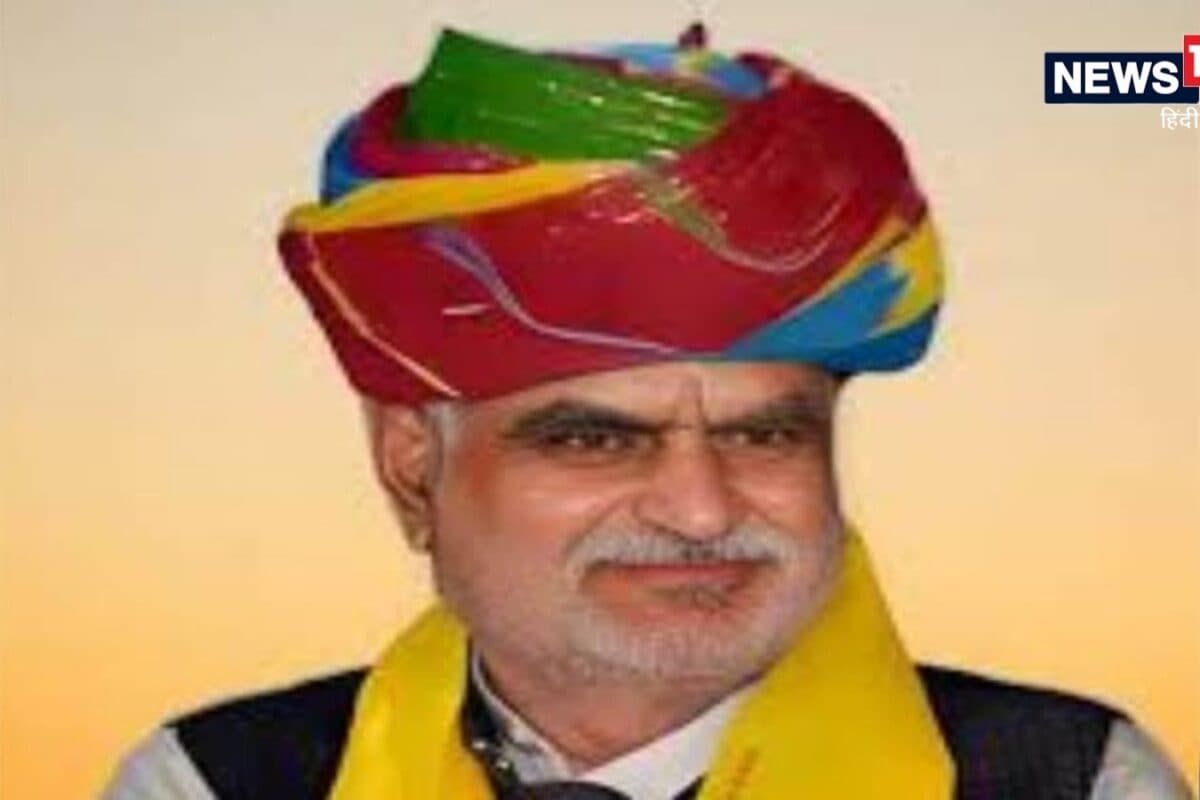
In a significant political development stirring the regional landscape of Rajasthan, Durga Singh, son of state Urban Development and Housing Minister Jhabar Singh Kharra, has officially filed his nomination papers as an independent candidate. This high-profile electoral move took place within Ward 19 of the Shrimadhopur Panchayat Samiti, instantly capturing the attention of political analysts, party workers, and local residents alike. The decision by a minister's immediate family member to bypass party lines and contest independently underscores the intricate and often volatile nature of grassroots politics in rural Rajasthan.
The backdrop of this independent candidature is deeply rooted in local organizational dynamics and rising dissent within party ranks. According to initial field reports and political observations from the Shrimadhopur region, underlying dissatisfaction and grievances among active grassroots workers served as the primary catalyst for this development. When party loyalists and local functionaries express reservations or discontent regarding localized matters, it frequently cascades into significant electoral ripples, forcing prominent political families to navigate delicate domestic and public equations.
Focusing on the specific administrative and electoral battleground, the contest is centered strictly within Ward 19 of the Shrimadhopur Panchayat Samiti. Panchayat elections at the ward level carry immense local significance, where individual candidates' personal connections, community standing, and localized micro-management often outweigh broader state-level party affiliations. The direct entry of Durga Singh into this specific ward injects a high-stakes competitive element into an administrative tier that traditionally witnesses intense community-level mobilization and strategic electoral alignment.
Political stakeholders, local community leaders, and regional observers have been closely monitoring the evolving dynamics following the nomination filing. While party loyalties are routinely tested during rural elections, the presence of a minister's son contesting as an independent introduces unprecedented complexities for local party machinery. Observers note that such grassroots friction often prompts intense behind-the-scenes negotiations, recalibration of voter support bases, and heightened political engagement among the local electorate residing within the jurisdiction of Shrimadhopur.
Beyond the immediate political intrigue within Shrimadhopur, the development resonates throughout the wider administrative and socio-political network of the region. Local governance structures, rural development initiatives, and community leadership roles are deeply influenced by the outcomes of Panchayat Samiti elections. Consequently, the electoral contest in Ward 19 is no longer viewed merely as a routine local contest, but as a notable barometer of grassroots sentiment and political autonomy within the district.
As the election schedule progresses, administrative authorities and local election management cells are maintaining strict oversight to ensure a free, fair, and transparent electoral process. Statutory guidelines governing Panchayat polls mandate rigorous adherence to the Model Code of Conduct and administrative protocols. District officials are closely monitoring the filing and scrutiny phases to guarantee that all procedures conform strictly to established state election commission norms and legal frameworks.
Looking ahead, the political spotlight remains firmly fixed on Shrimadhopur as the campaign phase unfolds in the wake of the nomination process. The coming days will be crucial in determining whether reconciliation efforts materialize or if the independent candidature gathers further momentum among the electorate of Ward 19. Public expectations are high as voters weigh local issues, leadership capabilities, and the broader implications of this high-profile electoral contest before casting their ballots.
