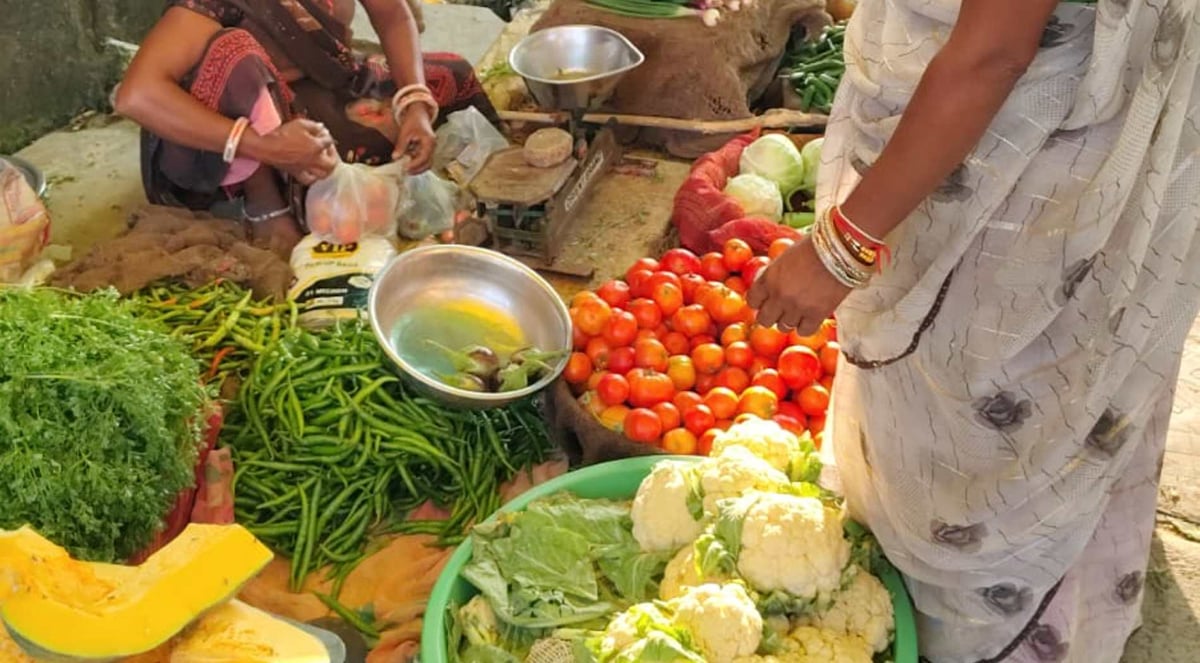
In a significant development for the agricultural sector in Rajasthan, farmers residing in Jhalawar district have been granted substantial financial relief by the government. Under the centrally sponsored National Horticulture Mission scheme, local cultivators are now eligible to receive a generous financial subsidy amounting to 40 percent of the total cost for purchasing advanced solar dryer machines.
The implementation of this welfare measure traces its origins to ongoing governmental efforts aimed at boosting agricultural infrastructure and promoting modern technological adoption across rural landscapes. Over the years, post-harvest losses have remained a persistent challenge for farming communities, often leading to distressed selling of perishable horticultural produce due to inadequate drying and preservation facilities.
Addressing the core financial framework of this initiative, the total estimated expenditure for procuring a standard solar dryer machine stands at 3.50 lakh rupees. With the newly instituted administrative directive, eligible farmers will directly benefit from a 40 percent subsidy reduction, significantly lowering their capital investment barrier and making modern agro-technology considerably more accessible.
Agricultural experts and local farming representatives have welcomed the announcement, emphasizing that access to mechanized solar drying will fundamentally transform how cultivators manage surplus yields. Stakeholders note that traditional open-air drying methods frequently expose crops to dust, moisture, and pest infestations, whereas enclosed solar dryers ensure superior hygiene, standardized dehydration, and extended shelf life for fruits and vegetables.
While the direct implementation radius currently centers on Jhalawar district within Rajasthan, agricultural economists and policy observers in adjoining administrative jurisdictions like Kotputli-Behror are closely monitoring the rollout. The broader economic implications underscore a potential paradigm shift toward value-added farming, wherein rural producers can securely process their harvests and fetch more remunerative prices in competitive regional markets.
District horticulture authorities and designated administrative nodal agencies have been tasked with streamlining the application process to ensure transparent distribution of funds. Officials confirmed that eligible farmers seeking to avail themselves of this 40 percent subsidy under the National Horticulture Mission must submit requisite documentation verifying land ownership and project viability through authorized online portals or district agriculture offices.
Looking toward the future, agricultural departments anticipate a surge in adoption rates among progressive farming cooperatives and individual cultivators alike. As the administrative machinery expedites verification procedures, this targeted intervention for the 3.50 lakh rupee solar dryer machines is projected to serve as a sustainable model for enhancing rural resilience and bolstering long-term agricultural prosperity throughout the region.