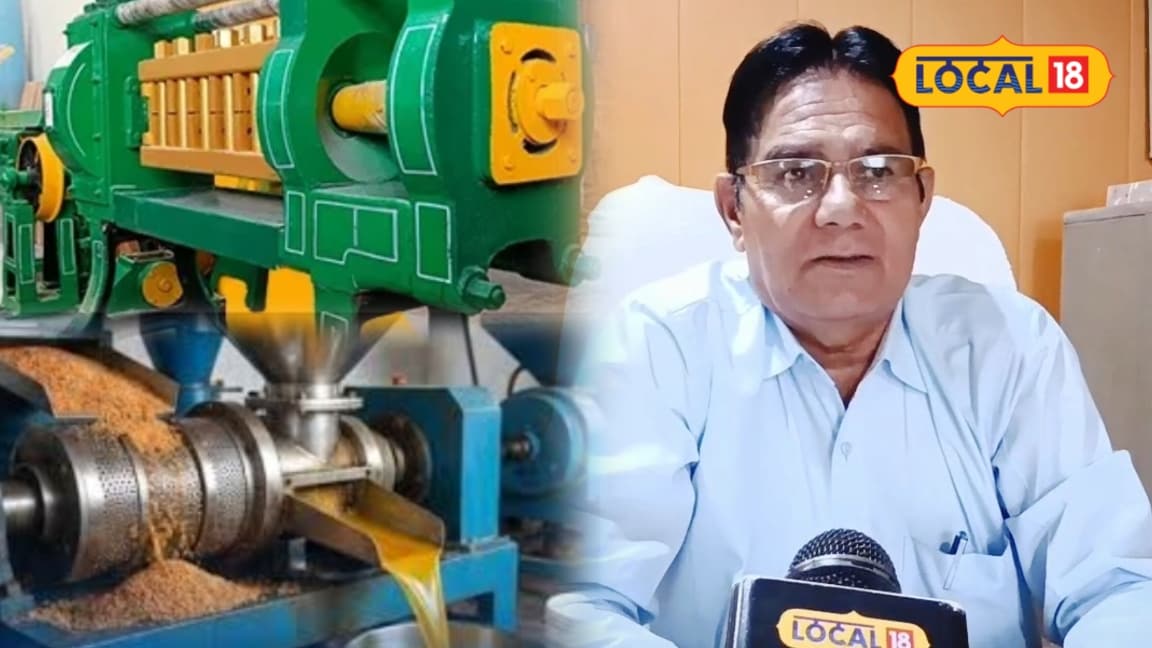
In a significant development for the agricultural and industrial sector of Rajasthan, local farmers and aspiring entrepreneurs have been presented with a golden opportunity to establish modern oil mills. The state administration has rolled out a targeted financial assistance framework designed to transform the agricultural processing landscape, particularly focusing on regions like Bharatpur.
Historically, agricultural producers in Rajasthan have faced structural challenges in value addition, often selling raw produce without processing benefits. Recognizing this gap, policymakers and agricultural experts have long advocated for decentralized processing units. This initiative represents a strategic shift toward empowering rural producers by enabling them to capture higher segments of the agricultural value chain within the state.
Under the newly announced guidelines issued by the Agriculture Department, applicants are eligible to receive substantial financial subsidies for establishing advanced oil milling infrastructure. Specifically, the scheme facilitates the procurement and installation of heavy-duty machinery and operational units capable of handling up to 10 metric tons of raw oilseeds efficiently.
Agricultural economists, cooperative leaders, and local trade representatives have expressed strong optimism regarding the potential outcomes of this funding program. According to stakeholder discussions, providing direct monetary support alleviates the initial capital burden, which has traditionally been the primary deterrent for small and medium-scale rural investors venturing into industrial processing.
The broader regional implications for communities across Rajasthan, including districts neighboring Bharatpur, point toward a revitalization of local trade networks. By fostering domestic processing capabilities, the initiative is expected to retain capital within the rural economy, stimulate allied transport and packaging sectors, and create sustainable employment opportunities for local residents.
Administrative oversight for the implementation of this scheme rests with the designated officials of the Agriculture Department, who have streamlined the application and verification protocols. Authorities have urged eligible applicants to adhere strictly to the prescribed documentation guidelines to ensure seamless administrative processing and timely sanctioning of grants.
Looking ahead, industry observers anticipate a surge in localized agro-processing units once the initial phase of application approvals concludes. As prospective entrepreneurs prepare their submissions, the sustained success of this governmental intervention will depend heavily on transparent execution, ongoing technical support, and continuous monitoring of operational milestones.