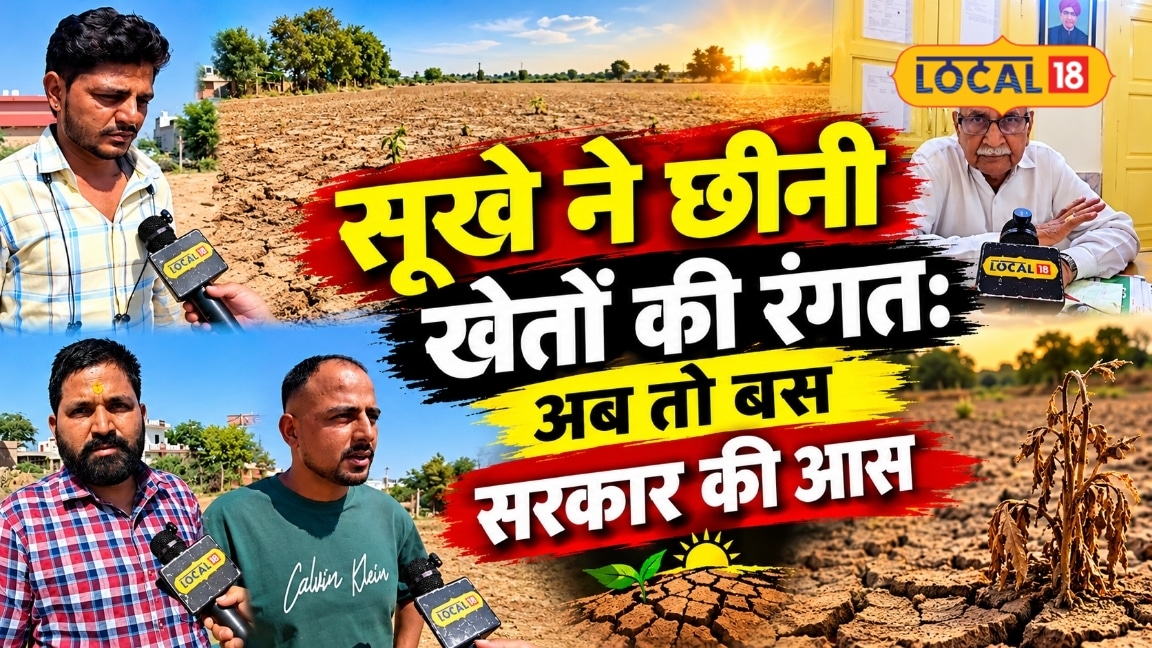
A severe shortage of rainfall has triggered drought-like conditions across several districts of western Rajasthan, most notably impacting Pali, Jalore, and Jaisalmer within the Jodhpur division. The complete failure of the Kharif crop season has dealt a crushing blow to the agrarian economy, leaving farming families in deep financial distress. With their primary source of livelihood withered away under scarce precipitation, cultivators across the region find themselves facing an unprecedented humanitarian and economic crisis.
The current crisis traces its roots to erratic weather patterns and a profound deficiency in monsoon downpours across the western expanses of the state. Historically, the region relies heavily on seasonal rains to nurture Kharif crops such as millets, pulses, and oilseeds. However, the severe deficit in rainfall has severely depleted sub-surface water tables and dried up agricultural lands, turning once-fertile fields into arid expanses unable to support basic agrarian activities.
The financial and logistical fallout of this agricultural collapse is starkly visible in the region's prominent agricultural trading hubs. The Basni Mandi, which historically served as a bustling epicenter for farmers arriving from Pali, Sirohi, Jalore, Barmer, and surrounding districts, now presents a picture of complete desolation. Thousands of farmers who once flooded these market yards with their agricultural produce are now staying away, as there is virtually no harvest to bring to the marketplace, halting commercial operations entirely.
Amidst this unfolding crisis, deeply distressed farming communities and agricultural traders have voiced profound grief and frustration over their helpless plight. Voices from the ground indicate that the destruction of the Kharif harvest has shattered basic household economies, rendering families incapable of meeting daily necessities or fulfilling festive preparations. Many cultivators shared poignant anecdotes of how the crop failure has extinguished hopes for purchasing new clothing for their children for Diwali, underscoring the severe human toll of the agrarian distress.
The shockwaves of the agrarian crisis extend far beyond the immediate farm gates, deeply affecting the broader regional economy, including districts like Kotputli-Behror. Local commerce, rural supply chains, and allied agricultural trades that depend upon a robust harvest cycle are experiencing severe downturns. The cascading economic slowdown has reduced purchasing power among rural consumers, casting a long shadow over local markets and community livelihoods throughout western and surrounding parts of Rajasthan.
In response to the mounting distress, affected agricultural communities are strongly urging the state administration and relevant authorities to intervene without delay. Farmers across Pali, Jalore, Jaisalmer, and neighboring districts are formally demanding comprehensive drought assessments and immediate financial compensation. The widespread nature of the crop failure necessitates an urgent, structured administrative response to mitigate rural poverty and prevent long-term destitution among farming households.
Looking ahead, the timeline for recovery remains uncertain as agricultural experts and community leaders await formal government intervention and relief packages. Public expectations are centered on prompt crop damage surveys, the waiver or restructuring of agricultural loans, and the direct disbursement of financial assistance. Without timely administrative support and targeted relief measures, the agrarian sector in the affected districts faces a perilous path toward economic rehabilitation.