
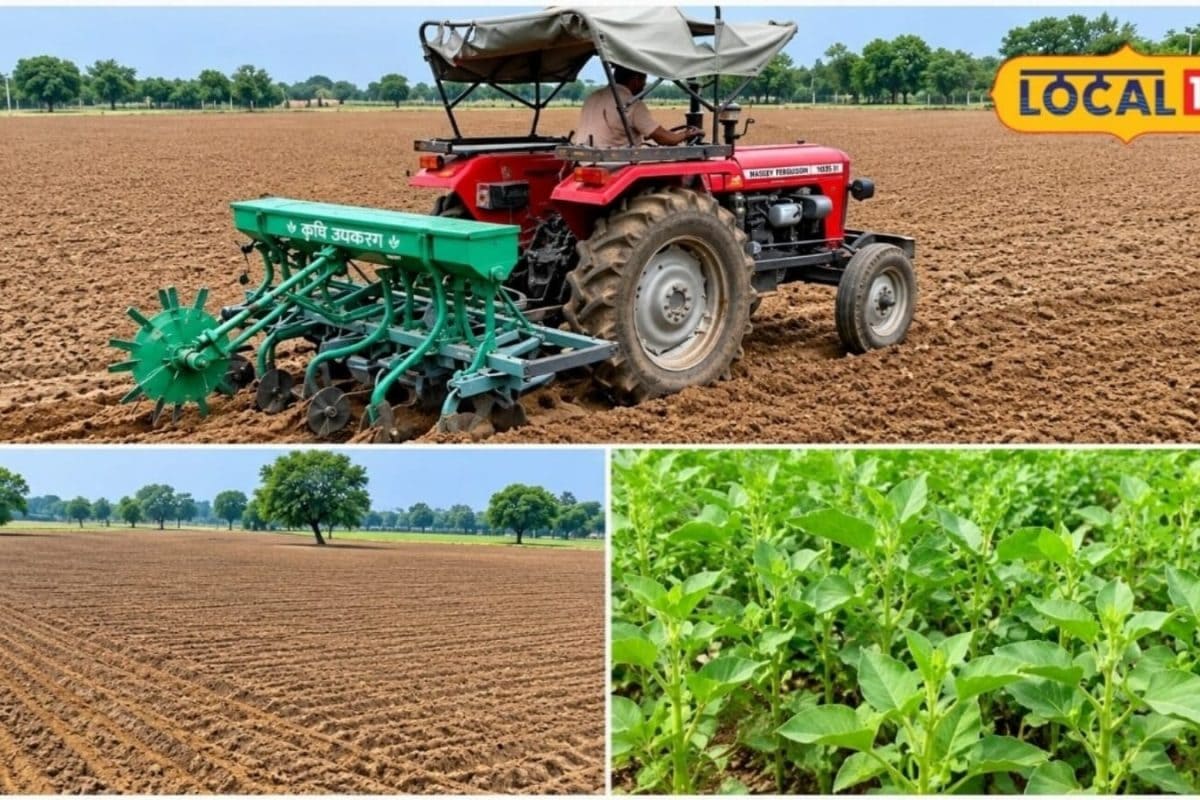
In Nagaur district and broader Western Rajasthan, agricultural producers are increasingly shifting away from conventional traditional crops during the Rabi season toward lucrative medicinal farming. The widespread adoption of Ashwagandha cultivation has emerged as a landmark agrarian trend, driven primarily by the crop's minimal water requirements and the sustained commercial demand for its valuable root yield in therapeutic markets.
Nagaur's hyper-arid climatic conditions and light sandy soil composition, which often present severe cultivation challenges for standard water-intensive crops, have proven exceptionally suitable for Ashwagandha propagation. Agronomists highlight that the regional ecology allows this resilient flora to thrive on marginal and sandy terrains where conventional farming yields limited profit margins.
Strategic timing during the sowing process remains paramount for maximizing crop yield across Western Rajasthan. While standard monsoon sowing is generally conducted during June and July, fields benefiting from residual post-monsoon soil moisture in Western Rajasthan can be successfully sown during October and November. Additionally, for farmers operating with dedicated irrigation systems, September serves as an optimal sowing timeframe.
Agricultural recommended practice emphasizes specific high-yield seed varieties to maximize farm returns. Prominent cultivars selected for regional planting include Jawahar Ashwagandha-20, Jawahar Ashwagandha-134, and Poshita, alongside the locally established Nagauri Ashwagandha strain. These carefully chosen varieties ensure high resilience against drought conditions while delivering superior quality root harvests.
The growth cycle of the Ashwagandha crop spans approximately 150 to 180 days from initial field sowing to final extraction. Farm management guidelines specify clear botanical indicators for maturity: the plant foliage turns yellow and the small berries ripen to a vibrant red color, signaling the precise operational window for root digging and drying processes.
The economic impact of this shift is notable across Nagaur and neighboring arid landscapes. By integrating low-water medicinal crops that possess dependable market value, farming households are mitigating climate risks associated with uncertain rainfall and falling groundwater reserves, thereby securing an alternative stream of household revenue.
Looking ahead into the current cropping season, proper adherence to recommended sowing schedules and post-harvest handling is expected to further boost rural incomes. With crop maturation completed within the standard 150 to 180-day window, Ashwagandha stands as a key pillar for sustainable, drought-resilient agriculture in Western Rajasthan.
