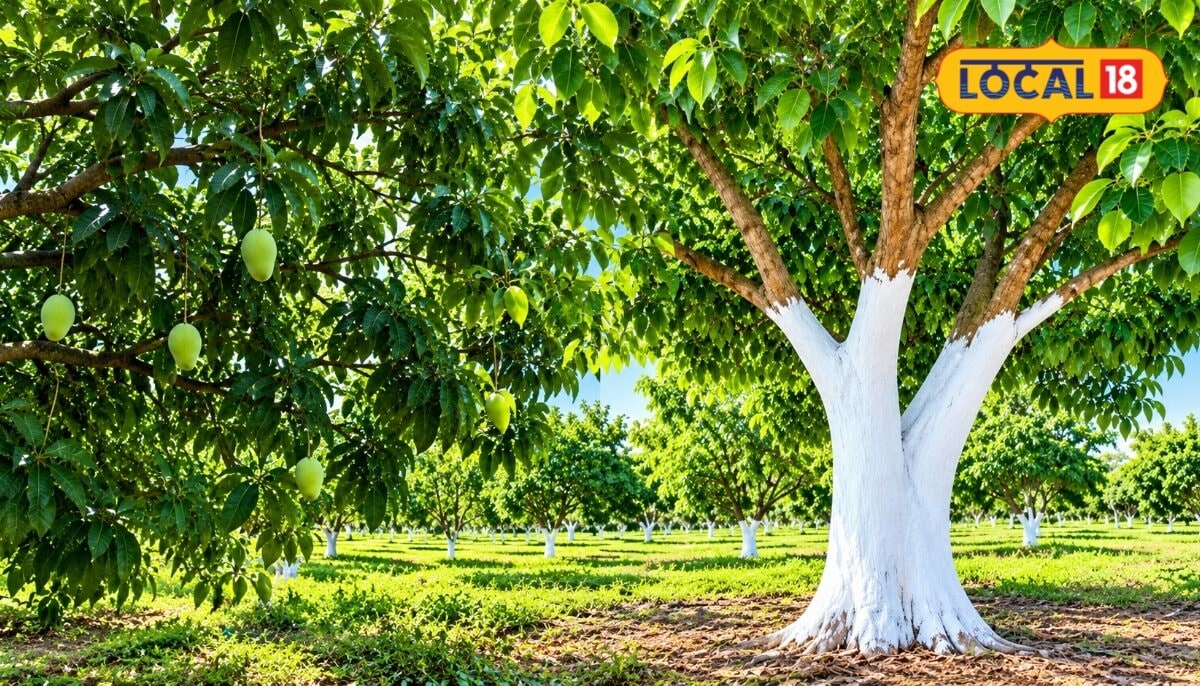
Following the conclusion of the monsoon season, agricultural authorities and experts in Nagaur have issued a comprehensive advisory urging farmers to prioritize the meticulous upkeep and management of their mango orchards. This critical seasonal transition period demands immediate and structured agricultural interventions to safeguard the health of the fruit-bearing trees and to optimize productivity for the upcoming harvest cycle.
Orchard management traditionally requires heightened attention during seasonal shifts, particularly as the monsoon withdraws, leaving behind conditions that can either foster rapid growth or trigger fungal infections and root rot if proper drainage is neglected. Historical observations across agricultural belts indicate that orchards subjected to structured post-monsoon care demonstrate significantly higher resilience and yield quality compared to unattended lands.
At the ground level, the logistical stakes for local horticulturists are remarkably high, as the quality of the harvest directly dictates market returns and financial stability for farming families. The advisory explicitly emphasizes the execution of specific technical measures, ensuring that every operational step from soil health maintenance to canopy management is addressed with precision during this crucial window.
Local farming stakeholders and agricultural extension workers have stressed that proactive community engagement and adherence to recommended scientific practices are vital for mitigating regional crop vulnerabilities. Experienced orchard owners note that addressing minor maintenance issues immediately after the rains prevents extensive damage that could otherwise compromise the entire seasonal output.
While the direct advisory originates specifically within the context of Nagaur, the broader regional implications resonate deeply across surrounding agrarian landscapes where sustainable fruit cultivation supports local rural economies. The integration of systematic orchard care strengthens the agricultural framework, reinforcing the economic foundation of communities dependent on seasonal horticulture.
Administrative bodies and agricultural departments continue to monitor regional farming practices, providing technical guidance and overseeing extension services to ensure that farmers receive timely support. Institutional oversight remains focused on disseminating accurate methodologies to maximize the efficacy of post-monsoon treatments across all targeted horticultural zones.
Looking ahead, the successful implementation of these recommended practices over the coming weeks will determine the trajectory of the next agricultural season, setting clear expectations for enhanced productivity. Continued cooperation between agricultural authorities and local farmers remains essential for achieving sustainable growth and long-term prosperity in the region's horticultural sector.