A complex agricultural crisis is unfolding across Rajasthan as multiple districts face a severe shortage of Di-Ammonium Phosphate (DAP) fertilizer, a critical input for the upcoming Rabi sowing season. Interestingly, the Shekhawati region, comprising key agricultural belts, has not yet witnessed an immediate surge in DAP demand. This temporary divergence from the state-wide crisis is primarily because local farmers are currently preoccupied with harvesting their Kharif crops and systematically preparing their fields for the next sowing cycle, delaying their immediate requirement for chemical fertilizers.
The demand-supply gap of DAP fertilizer in Rajasthan has been a recurring challenge for the state's agrarian economy. Every year, as the monsoon recedes and the transition from Kharif to Rabi crops begins, the logistical machinery of fertilizer distribution faces immense pressure. While other districts are already experiencing long queues and panic buying, Shekhawati's unique crop cycle timeline has provided a brief window of relief, though experts warn this is merely the calm before the storm.
On the ground, the logistics of fertilizer distribution remain highly sensitive to timing. Farmers require DAP during the initial sowing phase to ensure proper root development of crops like mustard and wheat. Because the farmers of Shekhawati are still in the fields cutting their Kharif produce, the immediate pressure on local cooperative societies and private distributors is low. However, once the fields are cleared and the soil is ready for Rabi seeds, the demand is projected to skyrocket overnight, potentially exposing the underlying supply deficits.
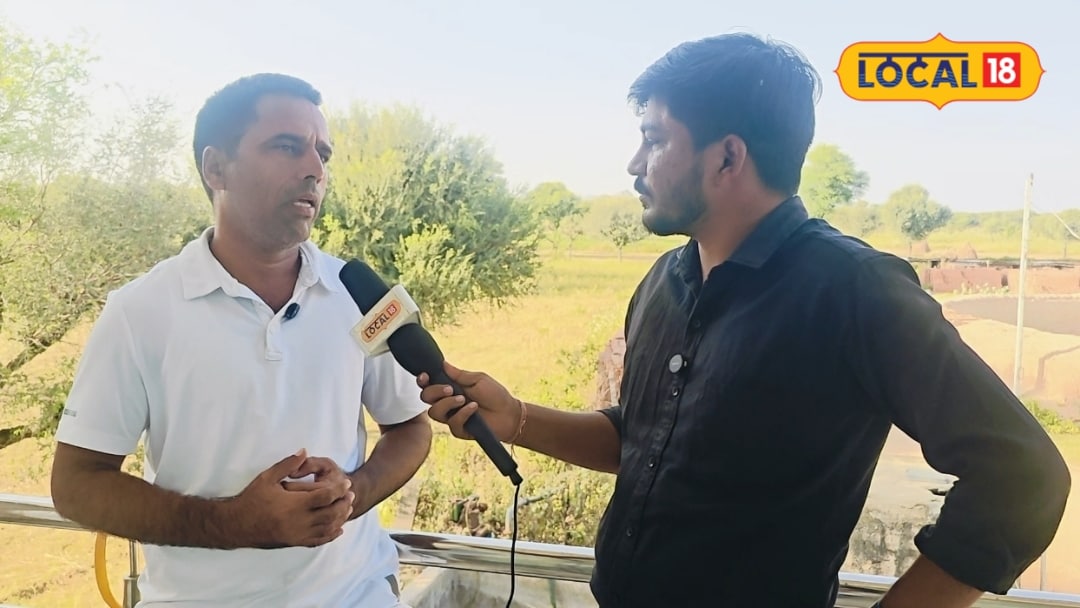
Highlighting the systemic nature of this issue, Dinesh Jakhar, a prominent member of the Bharatiya Kisan Union, pointed out that the current low demand in Shekhawati should not be mistaken for a permanent resolution of the crisis. Jakhar emphasized that Sikar district, a major agricultural hub within the region, routinely faces severe DAP shortages every single year. According to the union representative, the administration must utilize this temporary lull to stockpile adequate fertilizer reserves rather than waiting for the inevitable peak in demand.
As a critical agricultural corridor adjacent to Shekhawati, the Kotputli-Behror district and surrounding rural economies are highly sensitive to these regional fertilizer dynamics. The local farming community here closely monitors the supply chains of Sikar and Shekhawati. Any prolonged shortage in the neighboring districts invariably spills over, leading to panic buying and black-marketing in Kotputli's local markets, which threatens the financial stability of small and marginal landholders who rely heavily on timely sowing.
In response to the growing concerns raised by farmer organizations like the Bharatiya Kisan Union, agricultural department officials are reportedly monitoring the movement of fertilizer rakes across Rajasthan. Administrative bodies are attempting to coordinate with central suppliers to ensure that districts like Sikar receive their allocated quotas before the Rabi sowing peaks. Efforts are also being made to encourage farmers to adopt alternative fertilizers, such as Single Super Phosphate (SSP) and NPK, to reduce the absolute dependency on DAP.
Looking ahead, the next few weeks will be critical for the agricultural landscape of Rajasthan. As the Kharif harvest concludes and Rabi sowing commences in earnest across Shekhawati, the actual resilience of the state's distribution network will be put to the test. Farmers and union leaders like Dinesh Jakhar remain watchful, hoping that proactive administrative measures will prevent the chaotic scenes of fertilizer scarcity that have plagued Sikar and other districts in previous years.