
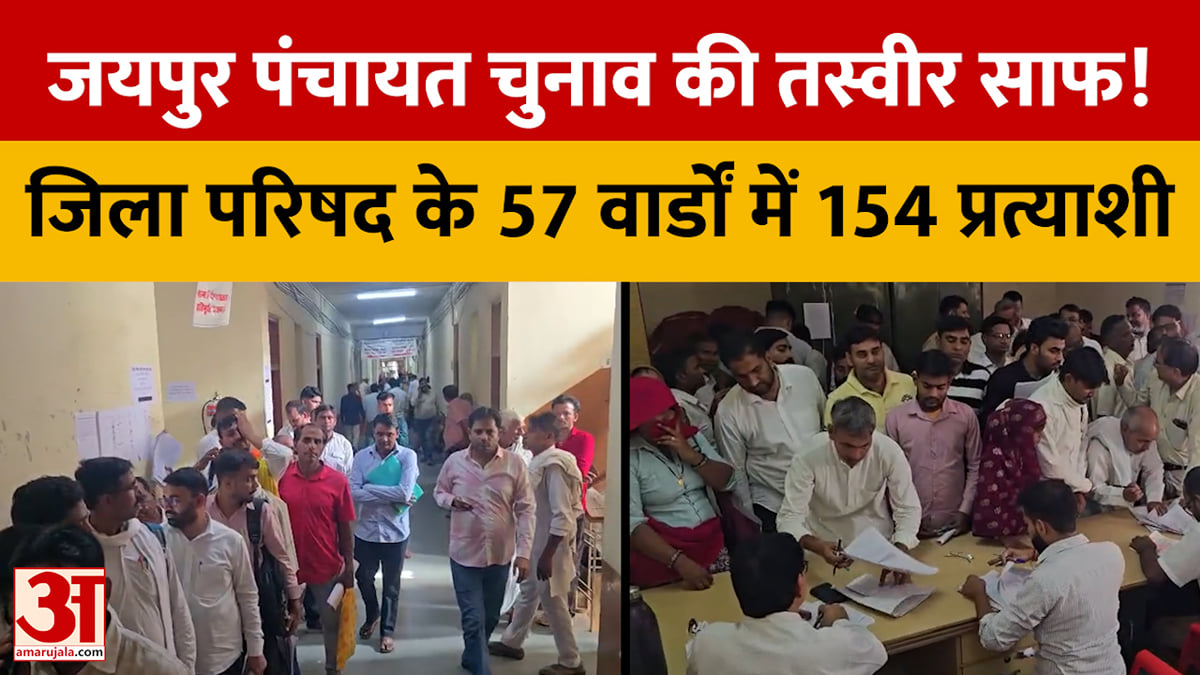
The political and electoral landscape surrounding the local governance framework in Jaipur has officially become clear following the finalization of crucial scheduling details for the upcoming panchayat elections. As citizens across the region prepare to exercise their democratic franchise, the announcement regarding the definitive timeline has brought much-anticipated certainty to the political arena. Authorities have confirmed that all logistical frameworks are currently being aligned to facilitate a smooth, uninterrupted electoral process from the initial voting phases down to the final declaration of results.
Delving into the background of this democratic exercise, panchayat elections in Jaipur hold profound significance for grassroots governance, rural development, and local administrative accountability. Historically, these elections serve as the bedrock of rural democracy, empowering village communities to elect local leaders who directly manage infrastructure development, welfare distribution, and public resource allocation. The upcoming electoral phase is the culmination of extensive constituency delimitations, voter list revisions, and administrative consultations designed to uphold the integrity of the democratic process at the grassroots level.
Examining the ground reality and logistical stakes involved, the administration is mobilizing substantial resources to ensure that every polling booth operates with absolute efficiency and security. While specific statistical breakdowns of polling stations and electorate numbers continue to be updated through official channels, the overarching financial and administrative commitments are immense. Security personnel, election officers, and logistical teams are being deployed strategically across various zones within Jaipur to preempt any procedural discrepancies and to guarantee an environment of complete safety for voters and candidates alike.
Stakeholder perspectives from various community leaders, political representatives, and local residents highlight a palpable sense of anticipation as the election date draws closer. Candidates are actively engaging with rural electorates, outlining their developmental agendas, and addressing core community concerns ranging from water scarcity and agricultural support to rural road connectivity. Local citizens have expressed a strong desire for transparent leadership that can effectively channel government funds into meaningful village development projects without bureaucratic delays.
Looking at the regional impact, particularly concerning the broader developmental sphere encompassing Jaipur and surrounding districts such as Kotputli-Behror, these panchayat elections carry vital economic and social implications. Local markets, small businesses, and community networks experience significant shifts in activity during local election cycles. The outcome of these polls will directly determine the leadership trajectory of rural bodies, influencing how state and central welfare schemes are implemented at the grassroots over the coming years.
On the administrative front, district authorities and election observers are maintaining stringent oversight to ensure strict adherence to the model code of conduct and statutory electoral guidelines. Training sessions for polling officers, magistrates, and counting staff are being conducted rigorously to prevent any technical or procedural errors. The administration has reiterated its zero-tolerance policy toward any violations of electoral laws, promising swift and decisive action against any attempts to disrupt public peace or electoral fairness.
Providing a forward outlook as the schedule progresses, all eyes are firmly set on November 20, the designated date for the vote counting process. Following the conclusion of polling, sealed electronic voting machines or ballot materials will be securely transported to designated strongrooms under heavy security watch. As the countdown to November 20 continues, political parties, independent candidates, and eager residents await the final results that will shape the future governance of Jaipur's rural bodies.
