
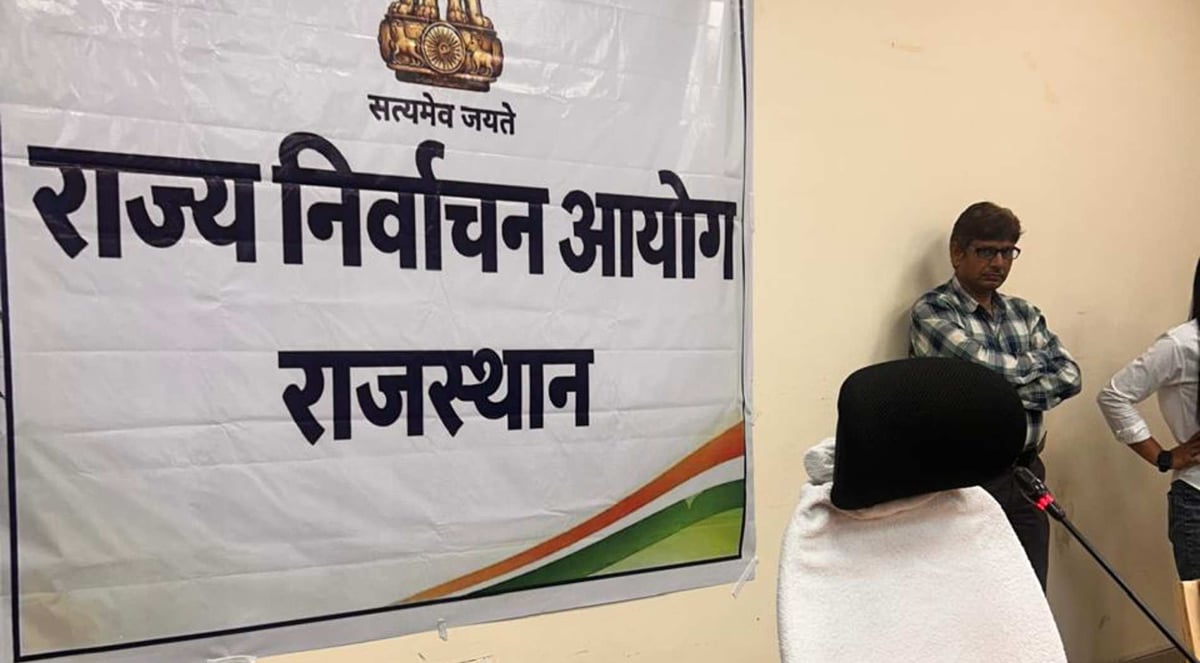
The ongoing electoral processes in Rajasthan during the current panchayat elections have continuously delivered a series of remarkably unique, unprecedented, and deeply fascinating contests across various constituencies. Observers, political analysts, and local citizens alike are closely monitoring an election cycle that breaks conventional molds, presenting a starkly contrasting array of individuals stepping forward to claim grassroots political leadership.
Historically, local body elections in the region have reflected traditional socio-political dynamics, often dominated by established local figures and longstanding political lineages. However, the current election cycle marks a notable departure from routine political participation, capturing the attention of the wider public due to the sheer diversity of backgrounds represented by those seeking public office.
Among the most talked-about facets of these elections is the simultaneous presence of candidates whose life circumstances and achievements stand at absolute opposite ends of the societal spectrum. The electoral arena now accommodates figures whose legal status places them behind bars alongside candidates possessing elite academic credentials, such as those who have successfully cleared the rigorous Union Public Service Commission examinations.
Local residents, community leaders, and administrative observers have offered varied perspectives on this unprecedented phenomenon. While some express astonishment at the breadth of candidates entering the democratic fray, others view it as a testament to the universal right to contest elections enshrined within the legal framework of the nation, irrespective of a candidate's current personal or professional standing.
Within the Kotputli region and the broader district, these developments have deeply resonated among the local population, influencing community discourses from village squares to public marketplaces. The unique profile of the candidates has galvanized voter enthusiasm, leading to intensified discussions regarding governance, administrative accountability, and the fundamental qualities expected of grassroots representatives.
District and local election authorities have maintained rigorous oversight to ensure that the electoral process proceeds smoothly, fairly, and in strict adherence to statutory guidelines. Administrative machinery remains mobilized across all polling zones to manage the logistics of these diverse contests while upholding the integrity, transparency, and neutrality of the democratic exercise.
As the election timeline progresses toward the subsequent phases of polling and eventual vote counting, public anticipation continues to mount regarding the final electoral outcomes. The unprecedented nature of this year's contests ensures that the results will be analyzed long after the ballots are cast, potentially setting a new benchmark for future local body elections across the state.
