
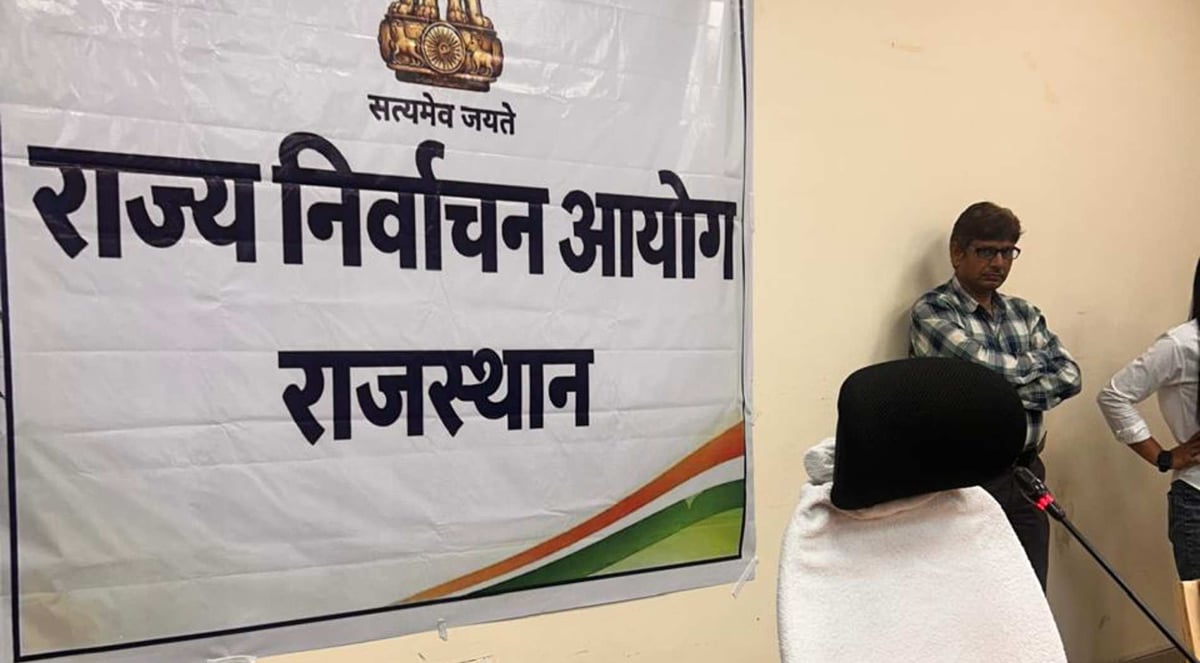
The democratic landscape of Jaipur is currently witnessing intense electoral activity as the first phase of the local Panchayat elections officially gets underway. Administrative authorities have confirmed that the political arena has expanded significantly, drawing massive public interest and active participation from local leaders and aspiring politicians alike. This phase marks a crucial milestone in grassroots democracy, determining the future leadership of rural governing bodies across the region.
Historically, Panchayat elections in Rajasthan have served as the foundational bedrock for political participation, bridging the gap between rural communities and higher tiers of government. The origin of these decentralized administrative structures dates back decades, designed specifically to empower local populations in making financial, infrastructural, and developmental decisions. The current electoral cycle continues this proud tradition, drawing heightened scrutiny and enthusiasm from political analysts and rural residents throughout Jaipur.
Delving into the specific electoral statistics, the scale of participation is both vast and competitive. In this critical phase, the contest for the district council involves 57 designated wards where a total of 154 candidates are actively campaigning. Simultaneously, across eight Panchayat Samitis encompassing 146 wards, an impressive total of 417 candidates have entered the electoral fray. These meticulous figures highlight the immense competitiveness and localized interest defining the current political climate in Jaipur.
Interactions with local residents, community leaders, and political stakeholders reveal a deeply engaged populace eager to voice their developmental concerns. Citizens across various villages have expressed high expectations regarding infrastructure improvements, clean drinking water availability, educational facilities, and rural employment generation. Local campaigners are utilizing door-to-door outreach, community gatherings, and public rallies to connect with voters, ensuring every demographic feels represented in the upcoming polls.
While the immediate political theater is centered around Jaipur, the broader regional implications extend outward to neighboring areas, including the newly formed Kotputli-Behror district. The socio-economic fabric of these rural communities heavily relies on effective local governance, making the outcome of these Panchayat elections vital for regional development. Local traders, farmers, and working-class families are closely monitoring the candidate lists, hoping that elected representatives will prioritize rural economic revitalization and agricultural support.
In response to the logistical challenges of managing a massive electoral exercise, district administration officials have implemented rigorous oversight mechanisms. Security arrangements, deployment of polling personnel, and adherence to statutory guidelines are being coordinated meticulously to guarantee a free, fair, and transparent election. Electoral officers have assured the public that all necessary logistical frameworks are firmly in place to prevent any administrative disruptions during the polling phases.
Looking ahead, the electoral timeline sets the stage for a dramatic culmination in the coming weeks. Voters will head to the polling booths on October 28 to cast their ballots and decide the political fate of hundreds of hopeful aspirants. Following the conclusion of voting, the sealed ballot boxes will be safely stored until the final results are officially tallied and declared during the vote counting session scheduled for November 20, bringing a definitive close to this high-stakes democratic chapter.
