
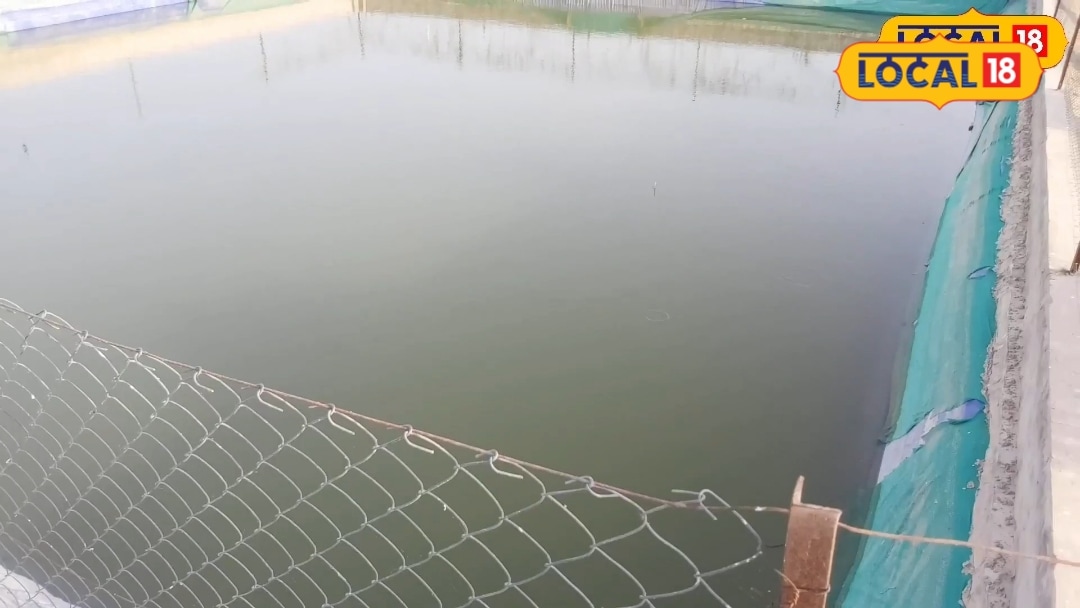
In an extraordinary display of grassroots resilience, agricultural communities in Haminpur village of Jhunjhunu have taken matters into their own hands to combat severe water scarcity. Faced with plummeting subterranean water levels, local farmers have initiated a pioneering water conservation drive by constructing extensive open-air storage reservoirs directly within their crop fields. These structures effectively function as dedicated water banks, capturing every single drop of precious moisture and fundamentally altering how irrigation is managed in the locality.
The genesis of this urgent environmental adaptation lies in the alarming depletion of the regional water table, which has receded to staggering depths ranging between 1200 to 1500 feet below the surface. Generations of intensive farming, combined with erratic monsoon patterns and deficient annual rainfall, have pushed the local agrarian ecosystem to a critical tipping point. Traditional reliance on deeper borewells has become increasingly unsustainable, forcing the community to transition from groundwater extraction to strategic surface water retention.
At the heart of this rural transformation is the deliberate construction of large agricultural water tanks, locally referred to as diggis, designed to intercept and store tube well output efficiently. Over the past two years alone, the collective resolve of these farmers has materialized into the successful construction of nearly two dozen such storage units across various landholdings. By channeling mechanized pump output into these engineered basins instead of applying it directly to thirsty soils during peak evaporation hours, wastage is minimized to an absolute zero.
Furthermore, the conservation methodology extends beyond mere agricultural runoff management to encompass structural rainwater harvesting at the domestic and farm-building level. Residents are systematically directing seasonal rooftop rainfall collection systems into these storage networks, ensuring that every drop of monsoon precipitation is accounted for and utilized. This dual-pronged approach guarantees that both domestic precipitation and pumped subterranean resources are maximized for sustained agricultural productivity throughout dry spells.
The broader implications of Haminpur's localized water banking model resonate deeply across the entire administrative region, serving as a critical case study for neighboring rural districts facing similar climatic stress. As subterranean aquifers dry up across western and northern tracts, the economic viability of traditional farming hangs in the balance, making infrastructural water harvesting an urgent economic necessity rather than a mere environmental preference. The local agricultural economy depends heavily on maintaining predictable irrigation schedules, which these storage facilities now help facilitate.
While the immediate financial burden of excavating and lining these large reservoirs falls squarely upon the individual farmers and local cooperatives, discussions regarding institutional subsidies and technical aid remain paramount. Local community leaders emphasize that governmental support in streamlining these excavation works could exponentially accelerate the adoption rate of water banking across the broader district, mitigating future agrarian distress and protecting vulnerable rural livelihoods from total economic collapse.
Looking ahead, the sustained expansion of these farm-level water banks over the coming years is expected to stabilize regional agricultural outputs and foster a culture of mindful resource stewardship. As Haminpur continues to refine its rainwater harvesting and storage practices, the village stands as a resilient testament to localized problem-solving in the face of escalating climate challenges, pointing toward a sustainable blueprint for arid zone agriculture.
