
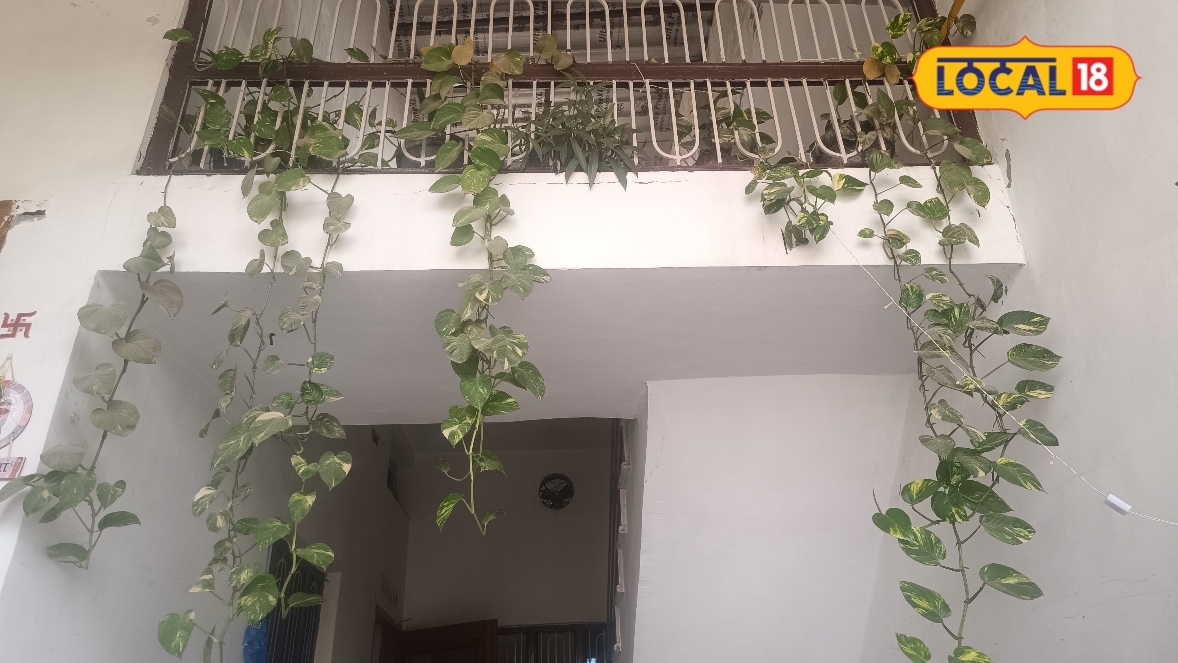
As the winter season descends upon the region, bringing with it biting cold winds, dense morning fogs, and severe frost conditions, home gardeners face a formidable challenge in keeping their residential landscapes alive and thriving. The abrupt drop in temperatures significantly alters the physiological processes of various flora, making them vulnerable to root damage, leaf drop, and stunted growth. For urban and rural homeowners alike who take pride in cultivating lush green spaces, navigating these seasonal climatic shifts requires vigilant observation and proactive horticultural intervention to prevent permanent damage to delicate ornamental and utility plants.
Historically, domestic gardening during the winter months has demanded specialized understanding because traditional maintenance schedules applicable during spring or summer can prove detrimental to plant health. The drop in ambient temperature reduces the rate of evaporation and plant metabolism, meaning that soil retains moisture for much longer periods. Understanding this seasonal dormancy is vital for avoiding common pitfalls such as root rot caused by excessive soil saturation. Gardeners must adapt their practices to align with the physiological slowing down of plants, recognizing that the natural environment during winter introduces unique stressors that require tailored care routines.
Examining the ground reality of home garden maintenance during peak winter reveals that financial and physical investments made by plant enthusiasts can be severely compromised without timely protective measures. While precise statistical data on domestic garden losses vary, horticultural experts consistently observe a notable spike in plant mortality rates between December and February due to unmitigated exposure to freezing night temperatures and frost accumulation. The logistical challenge lies in monitoring soil moisture levels daily, ensuring that frost does not settle on tender foliage, and maintaining a delicate balance of nutrients when natural growth hormones are dormant.
Local botanical enthusiasts, seasoned horticulturists, and urban agriculture advocates emphasize that community knowledge sharing is paramount for mitigating winter plant damage. Experienced gardeners frequently point out that ignoring the subtle warning signs of cold stress—such as yellowing leaves, drooping stems, and dark spots caused by ice crystal formation—can lead to irreversible decline. Stakeholders across residential neighborhoods stress the importance of adopting preventive rather than reactive measures, urging community members to consult agricultural extension literature and share traditional wisdom regarding organic pest control and frost shielding techniques.
Within the local district and surrounding residential communities, the impact of proper winter garden care extends beyond mere aesthetic beauty, contributing significantly to localized microclimates, urban biodiversity, and mental well-being. Home gardens serve as vital green lungs within densely populated neighborhoods, and their preservation during harsh weather conditions supports local populations of pollinators and beneficial insects. When residents successfully protect their plants from freezing temperatures, the collective green cover helps maintain environmental equilibrium and enhances the visual appeal of residential colonies throughout the colder months.
Agricultural extension officers and municipal environmental departments frequently issue advisory notices during peak winter spells to educate the public on optimal plant protection protocols. These administrative guidelines emphasize the importance of strategic irrigation timing—recommending watering during the warmer midday hours rather than early morning or late evening to prevent ice formation around the root systems. Furthermore, authorities advocate for the construction of temporary protective enclosures, such as cloth or plastic covers, to shield sensitive tropical plants from abrasive cold winds and nocturnal frost.
Looking forward, as climate variability continues to introduce unpredictable weather patterns, establishing resilient home gardening practices remains a crucial long-term objective for community members. Horticultural experts recommend establishing a consistent routine that integrates optimal sunlight positioning, balanced nutrient replenishment using organic compost, and regular prophylactic sprays of natural solutions such as neem water to deter pests. By adhering to these structured procedures throughout the winter season, gardeners can ensure that their landscapes emerge vibrant, resilient, and fully prepared for the ensuing spring renewal.
