
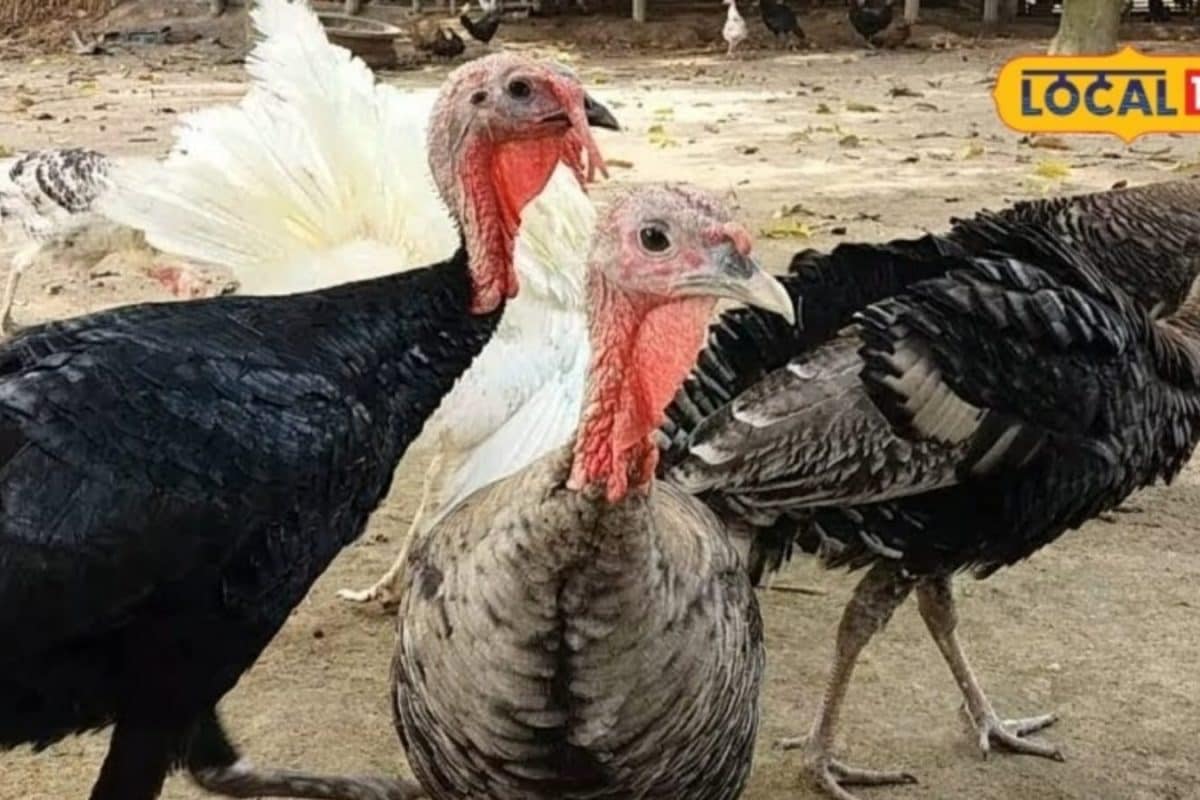
With the onset of the winter season, the commercial demand for eggs and chicken has witnessed a significant upward surge across local markets. Capitalizing on this seasonal market shift, poultry farmers residing in Udaipur and the surrounding rural and tribal hinterlands are actively discovering lucrative economic opportunities. Traditional backyard poultry farming practices are currently undergoing a modern transformation with the rapid adoption of Turkish poultry farming across the region.
Historically, local agricultural households depended entirely on traditional seasonal crop cycles, which often left them vulnerable to climatic variations and unstable market returns. Over recent years, regional agricultural experts and rural development strategists have emphasized the urgent necessity of diversifying farm incomes. This economic background has paved the way for specialized poultry breeds to enter the rural ecosystem, transforming subsistence farming into a commercially viable enterprise.
The newly adopted Turkish poultry breed has quickly captured the attention of local farmers due to its distinct biological advantages, which include a remarkably large body structure, higher overall weight, and exceptionally soft meat quality. From a financial and logistical standpoint, the venture requires minimal monetary investment, making it accessible to marginal farmers and economically weaker sections. Families can easily establish these farming units utilizing vacant spaces available right around their residential compounds or agricultural fields.
Local agricultural authorities and agricultural extension officers have stepped up to support this growing agrarian trend. Notably, the Krishi Vigyan Kendra has played a pivotal role by not only facilitating the procurement and distribution of these specialized birds to interested farmers but also by conducting comprehensive educational programs. These expert sessions thoroughly train farmers on optimal dietary requirements, routine maintenance protocols, and advanced disease prevention techniques.
The integration of Turkish poultry farming into the local economy has generated profound positive impacts throughout the Udaipur region. For numerous tribal families who previously struggled with financial constraints, this sector now serves as a reliable secondary source of steady income. By successfully merging traditional agricultural practices with modern poultry management, rural households are building greater economic resilience and improving their overall standard of living.
Administrative bodies and local agricultural institutions continue to monitor and strengthen the infrastructure surrounding this emerging poultry sector. Continuous veterinary support and disease surveillance mechanisms are being implemented by the Krishi Vigyan Kendra to safeguard the livestock of participating farmers against seasonal infections. Official oversight ensures that emerging farming clusters receive uninterrupted technical guidance and essential resources to maintain high production standards.
Looking toward the forward outlook, agricultural extension planners anticipate a sustained expansion of Turkish poultry farming across broader rural districts as winter demand peaks further. Upcoming procedural measures involve organizing localized veterinary health camps and expanding distribution networks to reach even more isolated tribal households. Public expectations remain high as this profitable venture promises long-term economic sustainability and enhanced nutritional security for the entire farming community.
