
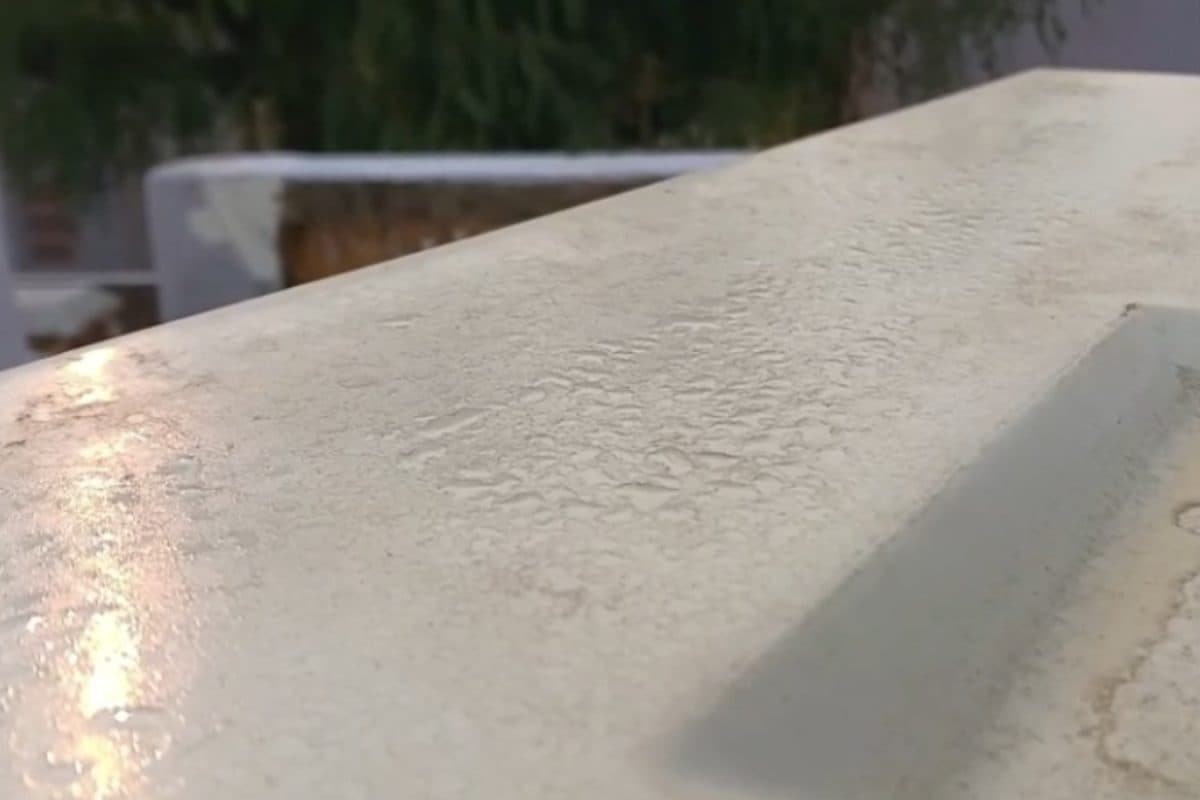
The district of Jhunjhunu has officially marked the onset of winter as local weather patterns undergo a distinct transformation. Across various rural settlements, the early morning hours now bring a palpable chill in the atmosphere, signaling the transition from the departing warmth to cooler seasonal conditions. Residents stepping out at dawn are greeted by noticeably dipping temperatures and crisp morning air.
This seasonal shift is a recurrent meteorological phenomenon characteristic of the region during this time of the year, as cooling atmospheric currents gradually sweep across the Thar desert periphery and surrounding semi-arid landscapes. Historical weather patterns in Jhunjhunu indicate a steady drop in minimum temperatures during this transition period, setting the stage for the deeper winter months ahead.
A notable feature of this climatic change is the appearance of a light layer of morning fog that gently blankets open fields and rural pathways. Simultaneously, moisture condensation has led to the formation of sparkling dew drops resting on rooftops, leaves, and agricultural foliage, creating a picturesque scene that traditionally heralds the cold season in rural Rajasthan.
The advent of these cooler morning and evening breezes has directly influenced daily routines, prompting residents to resume wearing seasonal woolens and adapting their schedules. While the dropping temperatures require precautionary health measures for children and the elderly, the broader agricultural community views the environmental shift with optimism due to its direct benefits for rural productivity.
Although situated in a specific geographic pocket, the weather dynamics observed in Jhunjhunu mirror broader regional trends affecting neighboring districts, including the wider Kotputli-Behror area. Local agricultural ecosystems and farming communities across these adjoining territories experience similar climatic interactions, directly influencing rural livelihoods and seasonal agrarian planning.
Local administrative departments and agricultural advisory bureaus continuously monitor these micro-climatic shifts to ensure timely dissemination of advisories to farming communities. Agricultural extension officers routinely assess seasonal humidity, fog densities, and dew formation to provide optimal guidance to cultivators regarding crop management during the transitional weather phase.
Looking ahead, meteorological indicators suggest that winter conditions will gradually intensify across Jhunjhunu over the coming weeks as daytime temperatures recede further. Farmers and local residents are preparing for the deepening cold season, anticipating stable weather conditions that will support both domestic routines and ongoing agricultural cycles across the region.
