
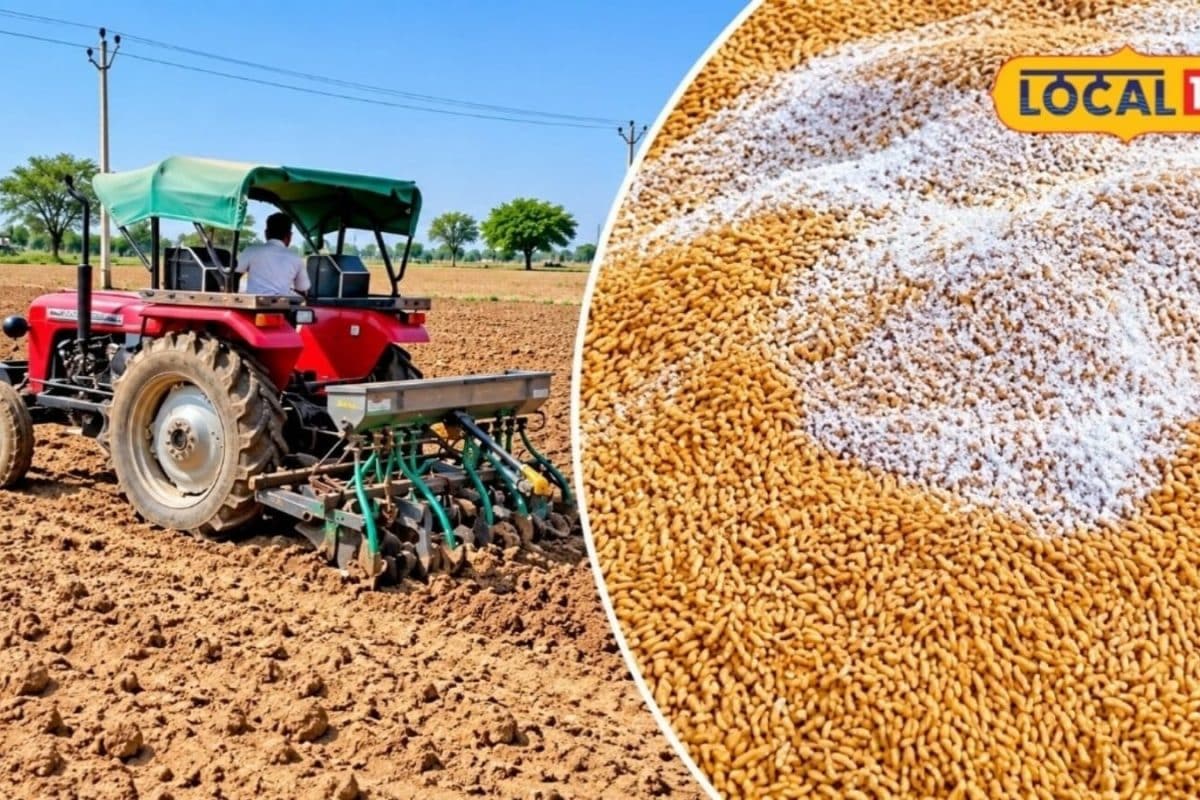
Farmers throughout the Nagaur district have officially commenced active preparations for the upcoming Rabi season, focusing intensely on the strategic sowing of wheat crops. With favorable weather patterns and adequate preparation times aligning, the agricultural community is placing significant emphasis on selecting superior, certified seed varieties to secure robust production yields and safeguard agricultural profitability.
The agricultural sector in this region has historically depended heavily on the timely execution of Rabi sowing practices, where the selection of high-yielding crop varieties dictates overall seasonal prosperity. As input costs fluctuate and environmental conditions demand greater resilience from staple crops, agricultural researchers and extension officers continually evaluate advanced seed strains that demonstrate superior adaptability, disease resistance, and grain quality under local agro-climatic conditions.
To achieve maximum agricultural output in irrigated sectors, agricultural experts have strongly recommended four advanced and high-yielding wheat varieties, namely DBW 187, DBW 222, HD 3406, and HD 3386. Agronomists emphasize that adhering to precise quantitative guidelines is paramount for success, advising that approximately 40 kilograms of certified seeds should be utilized per acre to maintain optimal plant population density and avoid overcrowded or sparse field conditions.
Local farming representatives and agricultural extension advisors have engaged extensively with cultivators to stress the importance of meticulous field preparation before putting seeds into the ground. Experts note that thorough ploughing of the field is crucial to break down soil clods, ensuring that the seedbed becomes properly pulverized, friable, and entirely level to facilitate uniform germination and root development across the entire cultivated area.
The broader regional economy, deeply interconnected with agrarian success, stands to benefit significantly from adopting these scientifically validated cultivation practices. As the agricultural community within Nagaur and surrounding areas gears up for peak farming activities, local markets, input suppliers, and rural households anticipate a prosperous season that reinforces economic stability throughout the rural landscape.
District agricultural administration and local extension services have intensified their outreach programs, providing structured guidance on essential pre-sowing measures. Farmers are formally advised to execute proper seed treatment procedures before planting, apply fertilizers strictly in accordance with comprehensive soil testing results, and schedule timely irrigations to support critical crop growth stages.
Looking toward the unfolding agricultural calendar, adherence to recommended row-to-row spacing of 20 to 22 centimeters and maintaining a seed sowing depth of 4 to 5 centimeters will be closely monitored by field advisors. By strictly integrating these scientific methodologies and advanced seed varieties, agricultural stakeholders across the region remain highly optimistic about achieving unprecedented wheat production levels in the current season.
