
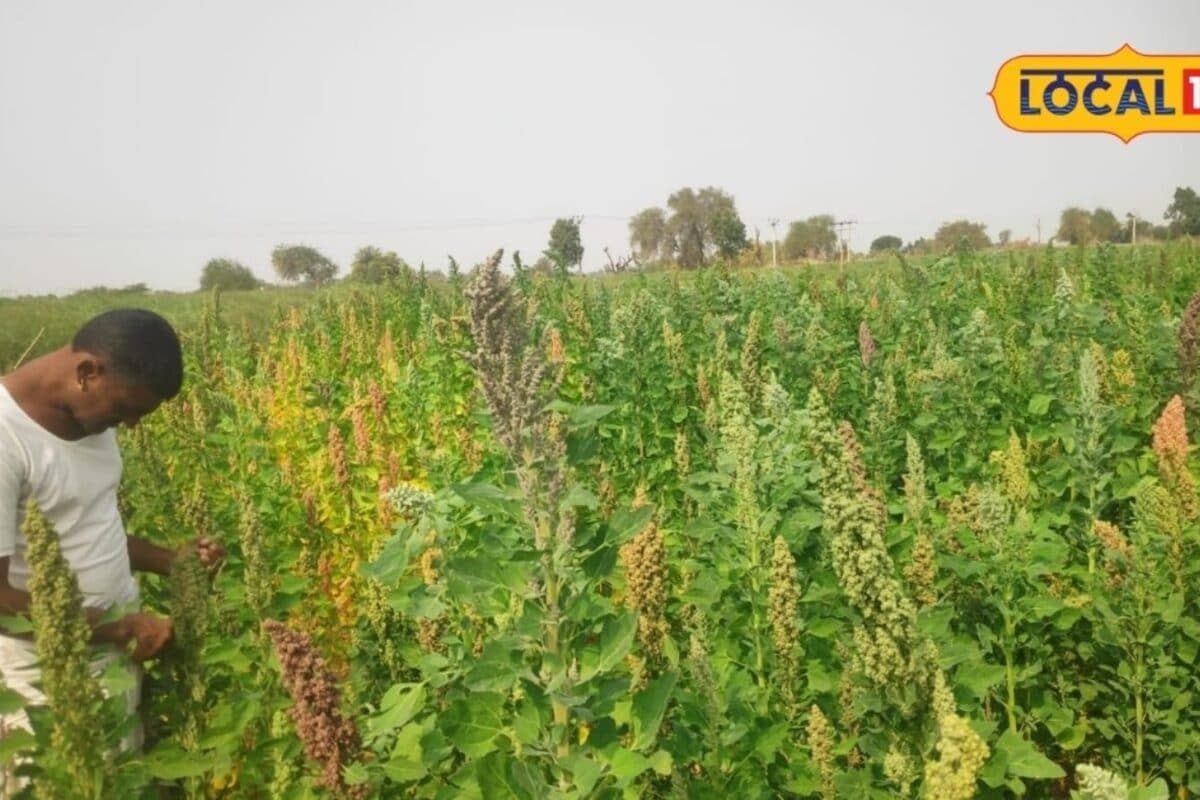
Agricultural transformation in Jalore has taken a monumental leap forward as farmers increasingly embrace quinoa cultivation alongside their traditional cropping patterns, creating a vibrant and lucrative alternative market. This resilient crop, which thrives exceptionally well under conditions of minimal water availability, has fundamentally redefined the economic prospects of the agrarian community residing in the region.
The historical context of farming in Jalore reveals a persistent struggle with arid conditions and constrained water resources, which traditionally limited the diversification of high-value cash crops. However, the introduction of quinoa has fundamentally altered this paradigm, offering a scientifically viable solution that optimizes water usage while generating superior financial yields for local cultivators who were previously bound by conventional agricultural limits.
Ground realities and operational logistics in the region have scaled up dramatically, reflecting the surging popularity of this superfood both domestically and internationally. Statistical records indicate that the total volume of the quinoa business has expanded exponentially from a modest baseline of nearly 100 tonnes to a staggering 3,000 to 3,500 tonnes, marking a remarkable milestone in commercial agricultural trade.
Post-harvest handling plays a critical role in maintaining international quality standards before the produce reaches the end consumer. Once harvested directly from the fields, the quinoa undergoes meticulous cleaning, washing, drying, and grading procedures within specialized local facilities, ensuring that only the finest quality grain is packaged for distribution across domestic and foreign markets.
The nutritional profile of quinoa has served as a primary catalyst for its phenomenal market demand, particularly among health-conscious consumers who prioritize diets rich in essential nutrients. Packed abundantly with protein, dietary fiber, iron, and magnesium, the grain has captured significant market share in fitness and wellness sectors across various continents.
Beyond agricultural success and international trade expansion, the entire value chain encompassing cultivation, processing, and supply chain logistics has generated substantial local employment opportunities. Members of the local community are actively engaged in processing plants and transport networks, thereby boosting household incomes and fostering regional economic stability.
Looking toward the future, the remarkable trajectory of Jalore quinoa positions the region as a formidable hub in the global agricultural export market, with produce successfully reaching over 15 distinct countries. Stakeholders remain optimistic that continued refinement of processing techniques and sustained international demand will secure long-term prosperity for the farming community.