
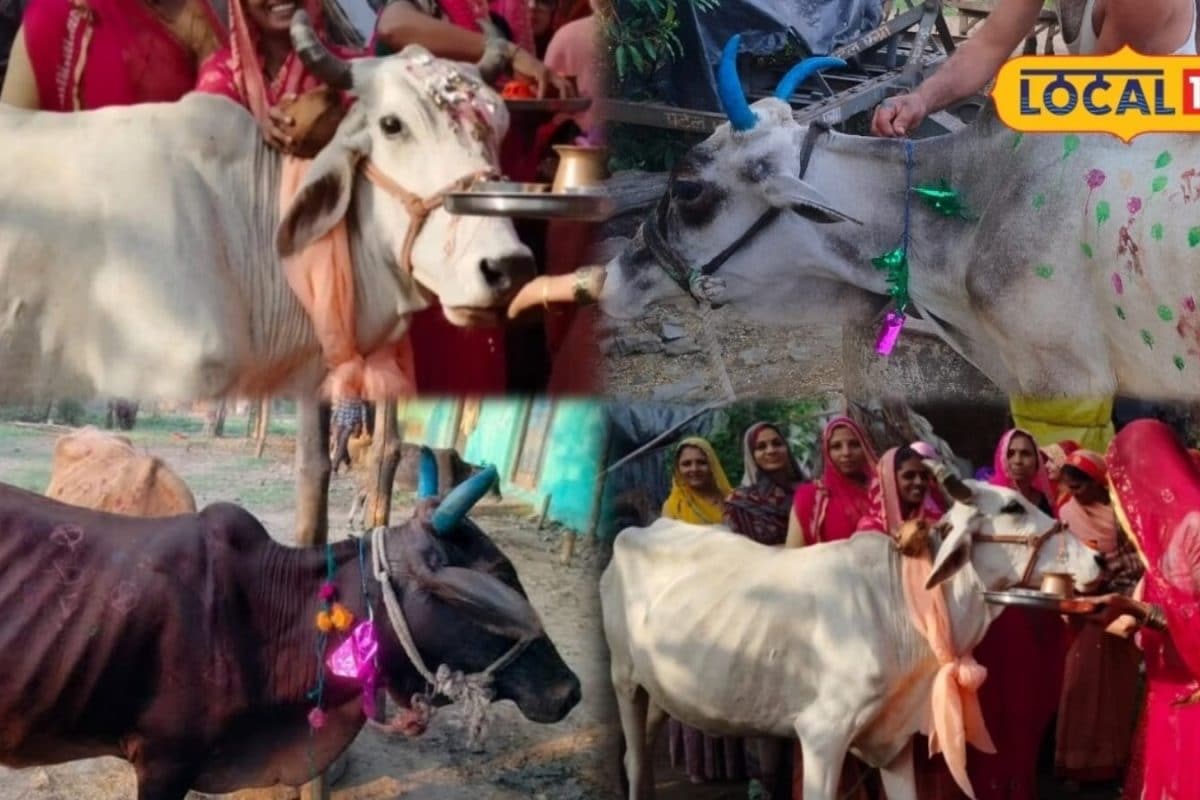
In rural communities across the region, the vibrant tradition of Pashudhan Puja is observed with deep reverence following the conclusion of Diwali festivities. This age-old custom serves as a vital platform for farmers and livestock owners to express profound gratitude toward cows, oxen, and other essential domestic animals that form the foundational bedrock of agricultural productivity and daily rural livelihood.
Historically rooted in agrarian traditions, this ritual acknowledges the irreplaceable role that livestock plays in tilling fields, sustaining rural economies, and maintaining ecological balance. Families traditionally prepare for the occasion by thoroughly bathing, decorating, and applying auspicious ceremonial tilaks to their cattle, symbolizing a deep-rooted spiritual connection between human habitation and domestic animals.
Beyond the ceremonial observance, agricultural experts and animal welfare advocates emphasize the critical logistical necessity of prioritizing animal health and safety during these celebratory procedures. Caretakers must exercise extreme caution to prevent any inadvertent harm, particularly concerning the physical vulnerability of animals subjected to sudden changes in seasonal weather patterns and unfamiliar festival routines.
Community elders and experienced livestock handlers note that traditional practices must adapt to modern welfare standards to ensure the complete well-being of the animals. For instance, washing cattle with excessively cold water during dropping temperatures can induce severe respiratory distress, making it imperative to utilize lukewarm or temperature-regulated water for ritual baths.
The regional economic and social impact of these livestock traditions remains significant, as the prosperity of rural households is traditionally measured by the health and abundance of their cattle. Ensuring that animals are treated with utmost care directly correlates with the long-term sustainability of agricultural operations and the overall economic stability of farming communities.
Local administrative guidelines and community advisories consistently encourage citizens to balance religious fervour with practical animal husbandry by avoiding harsh chemical colors, keeping roli and sindur away from sensitive facial areas like eyes and mouths, and providing clean, wholesome nourishment rather than stale or inappropriate festival leftovers.
Looking forward, community leaders and animal husbandry specialists advocate for continuous educational outreach to reinforce the dual message of honoring cultural heritage while actively safeguarding animal welfare. By integrating compassionate care into traditional observances, rural societies can preserve their invaluable customs while ensuring the robust health and longevity of their indispensable livestock.
