
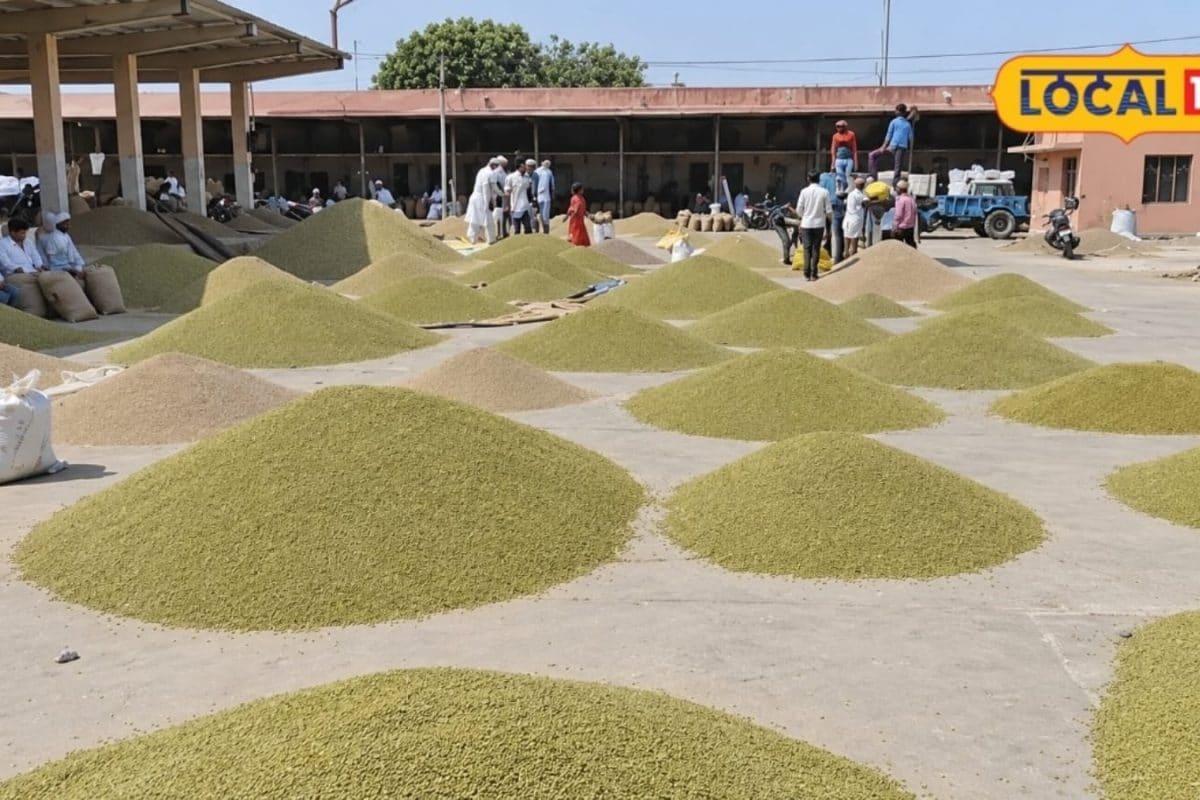
In the state of Rajasthan, the agricultural sector has witnessed a significant development as the online registration for the procurement of moong and groundnut under the minimum support price framework for the kharif marketing season 2026 has officially commenced. Farming communities across the region have long awaited this administrative step to secure fair compensation for their harvest. However, the rollout of the registration process has been accompanied by considerable anxiety among cultivators due to administrative delays regarding the actual procurement dates.
Stakeholder perspectives from various agricultural associations and farming communities reflect deep frustration regarding the timeline mismatch between registration and actual procurement. Because the official purchase dates remain unannounced by the authorities, cultivators facing immediate financial liabilities, debt repayments, and household expenses have been left with no viable alternative. This compelled urgency has resulted in an estimated 1.8 million bags of moong being sold prematurely in the open market at prevailing commercial rates rather than waiting for state procurement.
The broader regional impact of this procurement delay extends well beyond immediate financial losses, deeply influencing the local agrarian economy and commercial trade dynamics. Rural markets and district trading centers have experienced unusually high volumes of early-season transactions as distressed sellers offload their harvest to private traders. This heavy influx into the open market inevitably places downward pressure on local crop prices, reducing the ultimate profitability for hardworking cultivators who invested heavily in seeds, fertilizers, and irrigation.
Administrative responses from supervising bodies such as Rajfed emphasize adherence to procedural protocols, systematic online verification, and strict adherence to prescribed moisture limits. Officials maintain that the capping of registrations per center and per farmer is designed to ensure orderly management and prevent system overload. Nevertheless, agricultural experts and local community leaders argue that administrative efficiency must match the urgency of the harvest season to prevent farmers from being short-changed by market forces.
Looking toward the forward outlook, the critical challenge remains the prompt announcement of actual purchase dates and the transparent execution of the procurement drive across all designated centers. Farming households across Nagaur and neighboring regions are closely monitoring administrative updates, hoping that subsequent phases of the kharif marketing season will offer tangible relief. Ensuring timely physical procurement alongside digital registration will ultimately determine whether the declared support prices fulfill their intended promise of economic empowerment.
