
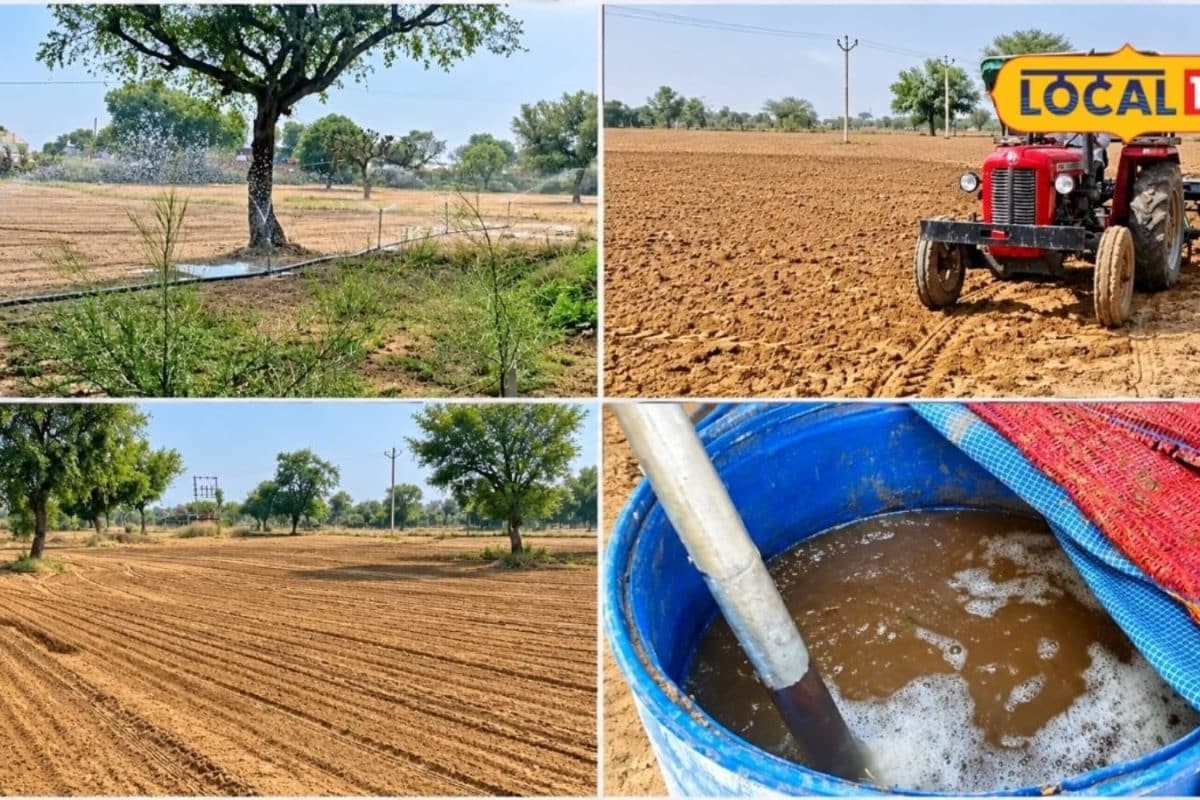
In contemporary agriculture, the foundation of a bountiful harvest lies undeniably in the intrinsic health and vitality of the farm soil. As modern farming practices increasingly face environmental challenges, agricultural scientists and regional bureaus continue to stress that soil degradation poses a direct threat to long-term food security and the economic stability of farming households. Ensuring that the soil remains fertile and biologically active is no longer merely an option, but an urgent operational necessity for agricultural communities striving for consistent productivity.
Historically, traditional farming relied heavily on natural organic balances, but intensive cultivation over decades has gradually depleted essential micronutrients from agricultural lands. The continuous cultivation of identical crop species without adequate rest periods has accelerated the exhaustion of natural mineral deposits within the topsoil. Understanding this historical trajectory of soil depletion is crucial for recognizing why modern interventions must combine traditional wisdom with structured scientific protocols to reverse the downward trend of land productivity.
At the ground level, the logistical reality of farming demands rigorous monitoring of field conditions and precise nutrient management. The primary step in this restorative journey involves conducting comprehensive soil testing to accurately diagnose specific nutrient deficiencies and pH imbalances across different plots. Following these diagnostic procedures, the integration of organic matter such as farmyard manure, compost, and vermicompost serves to revitalize the microbial activity within the earth, thereby improving its structural integrity and water retention capacity over extended periods.
Agricultural stakeholders, including veteran agronomists and local farming associations, have repeatedly voiced their perspectives on the urgency of these sustainable practices. Local cultivators observe that incorporating leguminous crops—such as green gram, black gram, and chickpea—into regular crop rotation cycles drastically improves nitrogen availability without relying entirely on synthetic chemical fertilizers. These stakeholder insights highlight a collective growing awareness that sustainable stewardship of agricultural land yields mutual benefits for both the environment and the economic bottom line of rural households.
The regional impact of soil degradation and its subsequent remediation resonates deeply within local agricultural economies, particularly in farming-intensive districts where livelihoods depend entirely on annual harvest outcomes. When soil health deteriorates, communities experience diminished crop yields, rising input costs, and increased financial vulnerability among agrarian families. Conversely, successful implementation of soil restoration techniques revitalizes the local rural economy, stabilizes market supplies, and fosters a resilient agricultural ecosystem capable of withstanding climatic fluctuations.
To address these systemic agricultural challenges, various developmental bodies and local agricultural extension agencies are actively promoting structured administrative and educational outreach programs. These initiatives aim to educate farming communities on proper irrigation techniques, advanced field drainage management, and the resourceful utilization of crop residue, such as stubble, directly within the fields to enrich organic content. Through consistent monitoring, advisory camps, and institutional support, agricultural authorities strive to empower farmers with the technical expertise required for long-term soil conservation.
Looking forward, the outlook for regional agriculture depends heavily on the proactive adoption and sustained enforcement of these seven foundational soil management practices. As upcoming agricultural seasons approach, extension services plan to expand soil testing facilities and organize community workshops to ensure widespread compliance. By fostering a collaborative environment between agricultural experts and local farmers, the community moves steadily toward a future characterized by enhanced land productivity, ecological balance, and enduring agricultural prosperity.
