
The PM Kisan Samman Nidhi Yojana has consistently remained a subject of intense discourse regarding its tangible impact on the agrarian landscape of the nation. Recently, an investigative assessment originating from Nagaur shed light on the exact utilization patterns of the financial transfers received by local cultivators. As agricultural input costs continue to fluctuate across various regions, policymakers and economists have closely monitored how direct benefit transfers influence daily farming operations at the grassroots level.
Historically conceived as a direct income support mechanism for landholding farmers, the scheme was established to alleviate immediate liquidity constraints faced by millions of rural households. In regions characterized by arid or semi-arid climatic conditions, such as Nagaur, the timely availability of working capital often dictates the success or failure of seasonal sowing operations. The overarching objective of the initiative has always been to provide a dependable financial cushion, ensuring that small and marginal farmers retain basic purchasing power ahead of critical agricultural cycles.
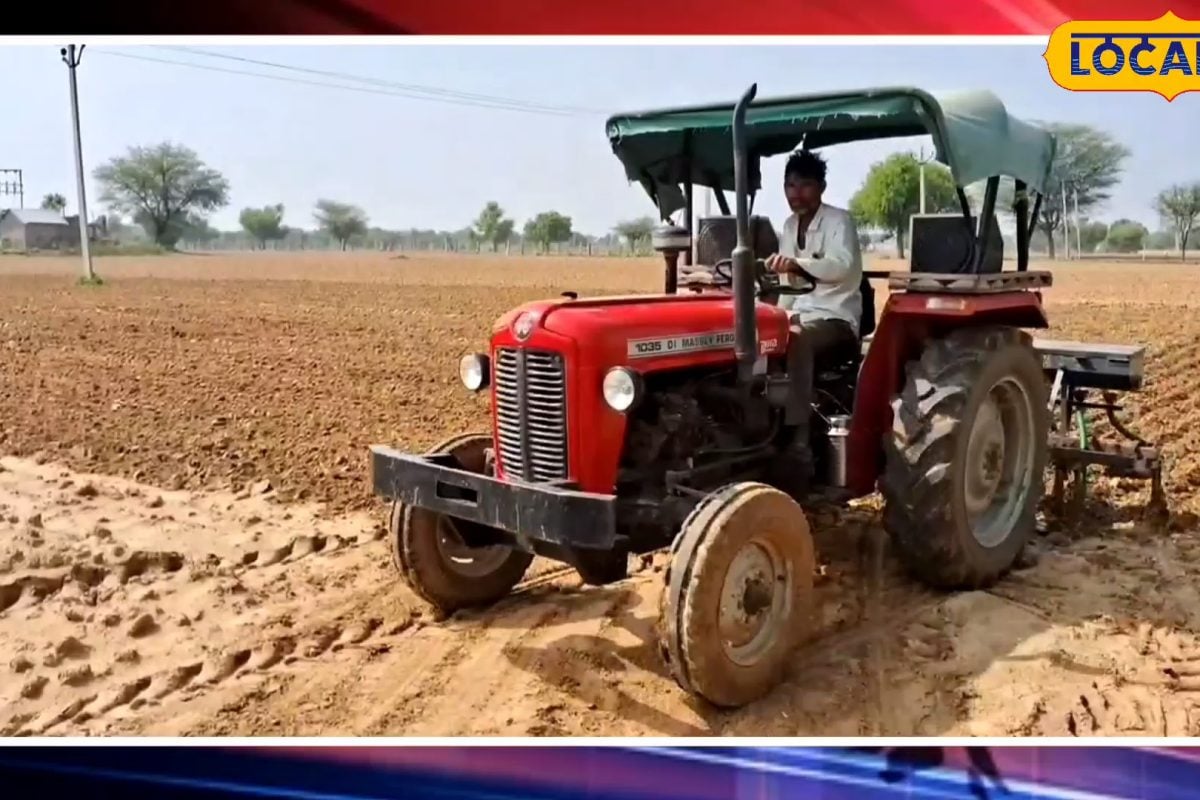
Delving deeper into the ground reality, farmers in Nagaur have articulated a clear narrative regarding the expenditure of these funds. According to local cultivators, the monetary tranche received under the PM Kisan Samman Nidhi Yojana is systematically allocated toward purchasing essential farming prerequisites. Specifically, beneficiaries utilize the amount to procure certified seeds, vital fertilizers, necessary crop protection chemicals, and to procure diesel required for operating tractors during plowing and harvesting seasons.
The financial stakes involved highlight both the utility and the limitations of such targeted income support programs. Local farming representatives and community voices in Nagaur candidly point out that while the financial assistance provided by the central government is undeniably helpful, it does not completely cover the massive overall cost of modern agriculture. The escalating expenses associated with labor, irrigation, machinery maintenance, and quality inputs frequently surpass the periodic disbursements provided through the scheme.
Nevertheless, the regional impact of these direct transfers on the rural economy remains profoundly significant. In districts like Nagaur, where agricultural productivity is heavily dependent on seasonal vagaries and input affordability, even modest financial interventions prevent farmers from falling deeper into debt traps managed by informal moneylenders. The liquidity provided by the scheme ensures that local agricultural input suppliers and fuel stations maintain a steady transactional flow during crucial periods of the farming calendar.
Administrative oversight and implementation mechanisms governing the PM Kisan Samman Nidhi Yojana continue to undergo periodic reviews to ensure transparency and timely delivery to verified beneficiaries. Government officials emphasize the importance of maintaining updated land records and Aadhaar seeding to prevent logistical bottlenecks and ensure that financial aid reaches the intended recipients without intermediary leakage or administrative delays.
Looking toward the future, the expectations of the farming community in Nagaur and surrounding areas center around better alignment of financial support with the actual escalation of agricultural input prices. As agricultural stakeholders evaluate the long-term viability of small-scale income support models, the feedback from local cultivators provides crucial empirical data for ongoing administrative policy refinements and prospective budgetary allocations.
