
As winter sets in across the region, local fish farmers face significant operational challenges that require immediate attention and proactive management to protect their aquatic livestock. The sudden and pronounced drop in ambient and water temperatures fundamentally alters the biological behavior of fish, rendering them sluggish and significantly reducing their metabolic activity. Consequently, these aquatic animals consume far less feed than they do during warmer months, leading to unique management hurdles for commercial aquaculturists who must carefully balance nutrition without compromising water chemistry.
The historical context of seasonal fish farming reveals that winter transitions have always been perilous for aquaculture enterprises if proper precautions are overlooked by farm operators. During colder weather, biological decomposition processes slow down, but accumulated organic waste from uneaten fish feed can drastically deteriorate water quality and trigger lethal conditions. Recognizing these recurring vulnerabilities, the fisheries department has stepped up efforts to educate regional producers on maintaining optimal aquatic ecosystems during the harsh winter months.
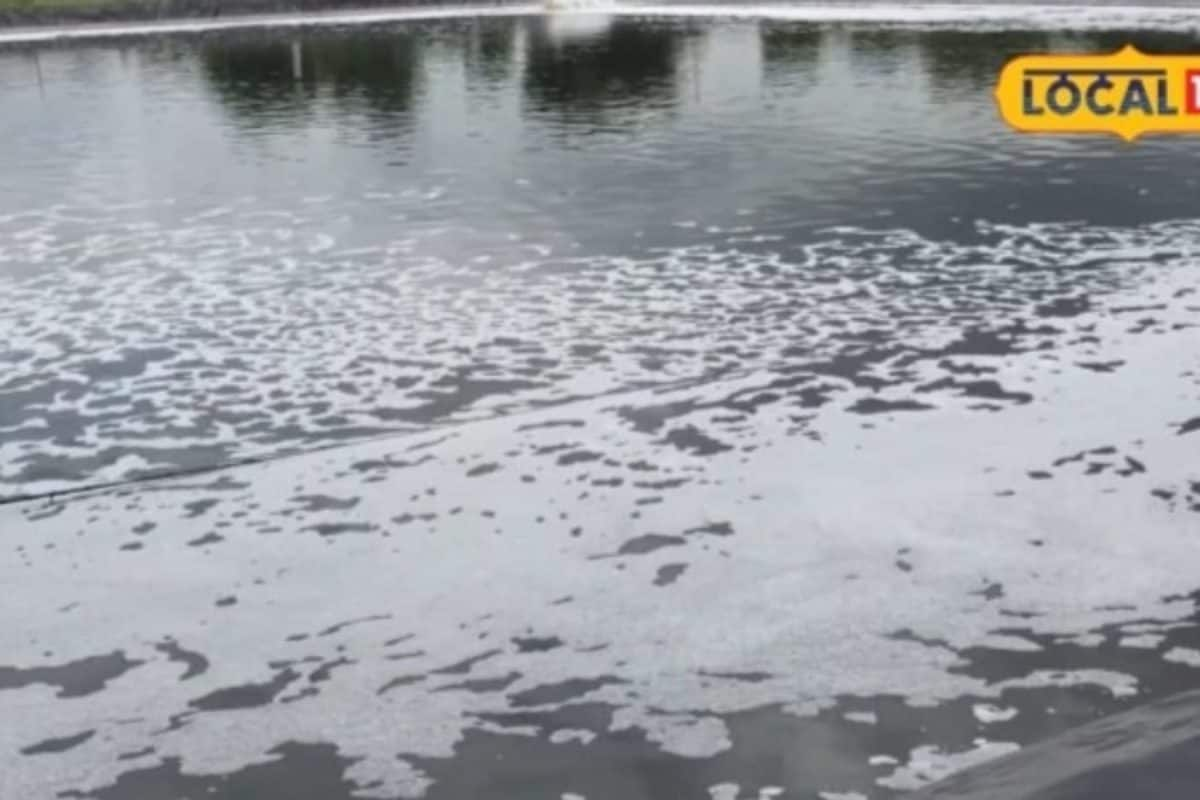
Examining the ground reality on fish farms, the primary technical threats involve severe oxygen depletion and the accumulation of toxic byproducts in stagnant pond water. Experts affiliated with the fisheries department emphasize that fish must be fed strictly according to their diminished metabolic requirements during winter, ensuring that no surplus food settles at the bottom of the pond. Allowing excess feed to rot depletes dissolved oxygen levels and fosters harmful bacterial growth, posing a direct threat to the survival of the fish stock.
Stakeholder perspectives highlight the urgent need for strict adherence to technical advisories issued by fishery experts and departmental officials. Experienced fish farmers across the region are being urged to closely monitor the physical behavior of their stock, particularly watching for warning signs such as fish repeatedly gathering near the water surface with their mouths open, which is a definitive indicator of acute oxygen deprivation. Commercial operators are advised to install and operate mechanical aerators whenever necessary to maintain adequate oxygen saturation throughout the water column.
The regional impact of these seasonal challenges extends deeply into the local agricultural economy and affects the livelihoods of numerous rural families dependent on aquaculture. In districts such as Bhilwara, successful fish farming represents a vital source of income and regional food security, making the prevention of winter-related mortality a matter of paramount economic importance. Local producers must navigate these environmental hurdles carefully to sustain their commercial viability and ensure a steady supply of fresh fish to regional markets throughout the winter season.
Administrative oversight and institutional support remain critical components in safeguarding the regional aquaculture sector against preventable seasonal losses. The fisheries department continues to play an advisory role, conducting outreach and providing technical guidance on pond sanitation, water testing protocols, and the early identification of common winter fish diseases. Through structured monitoring and proactive communication, agricultural extension officers aim to equip farmers with the knowledge needed to manage low-temperature stresses effectively.
Looking forward, the outlook for the remaining winter season depends heavily on how diligently individual fish farmers implement these prescribed management practices. By maintaining rigorous standards of pond hygiene, conducting routine water quality assessments, and responding swiftly to any behavioral anomalies observed in their stock, farmers can substantially minimize risks. The administrative machinery remains committed to supporting the aquaculture community through ongoing technical assistance and monitoring initiatives designed to secure regional agricultural productivity.
