
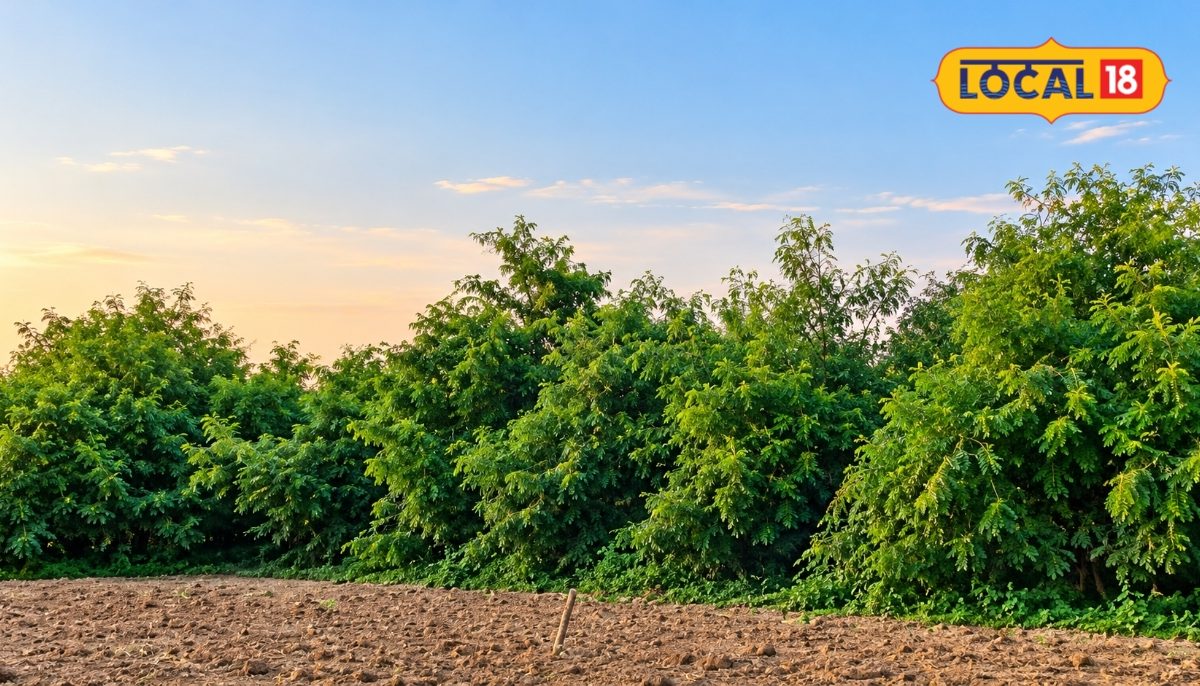
Farmers seeking sustainable economic growth are increasingly turning towards horticulture alongside traditional crop cultivation to significantly multiply their household earnings. In a strategic shift toward diversified agriculture, agricultural experts are advocating for the plantation of fruit-bearing trees that offer robust market resilience and consistent financial returns throughout the year. This comprehensive approach not only mitigates the risks associated with single-crop dependency but also revitalizes agricultural land by optimizing soil health and resource utilization.
The cultivation of amla has historically occupied a revered position within indigenous agricultural systems due to its immense medicinal properties and high nutritional value. In contemporary times, the continuous and surging demand from the booming Ayurvedic pharmaceutical sector and commercial food processing industries has transformed amla from a seasonal local fruit into a highly sought-after industrial commodity. Consequently, integrating amla orchards into existing agricultural frameworks provides a reliable long-term source of additional income for rural farming communities.
According to esteemed agricultural experts based in Nagour, achieving commercial success in amla farming strictly hinges upon the adoption of scientifically validated cultivation methodologies. The process begins with meticulous land selection, ensuring that the chosen terrain possesses optimal structural characteristics. Furthermore, maintaining well-drained loamy soil is critically essential to prevent root rot and water stagnation, which can severely impair the long-term vitality and fruit-bearing capacity of the orchard.
Operational planning for a successful orchard also requires proactive environmental management, including the strategic plantation of windbreak trees to shield delicate amla saplings from harsh weather conditions and desiccating winds. Agricultural specialists emphasize that the physiological vulnerability of young plants demands intensive management, particularly focusing on the initial two months following plantation, during which specialized care routines must be strictly administered to guarantee vigorous growth and future high-yield production.
The broader regional implications of adopting such advanced horticultural practices extend deeply into the rural economy, particularly within developing agrarian districts where diversifying income streams is paramount for financial stability. By embracing scientific amla cultivation, local farming households can insulate themselves against seasonal market fluctuations and unpredictable weather patterns affecting conventional grain crops, thereby fostering a more resilient and prosperous rural economy.
To support this agricultural transition, regional administrative bodies and agricultural extension departments are scaling up informational outreach programs, providing farmers with technical guidance, soil testing facilities, and advisory workshops. These institutional measures aim to bridge the knowledge gap between traditional farming habits and modern scientific horticulture, empowering growers to maximize their land productivity and meet stringent commercial quality standards.
Looking forward, the strategic integration of fruit orchards like amla represents a vital pillar for sustainable agricultural development in the region. As processing industries continue to expand their supply chains, farmers who adopt these methodical cultivation practices early are poised to secure enduring economic advantages, ensuring a thriving agricultural future marked by diversification, enhanced profitability, and ecological sustainability.
