
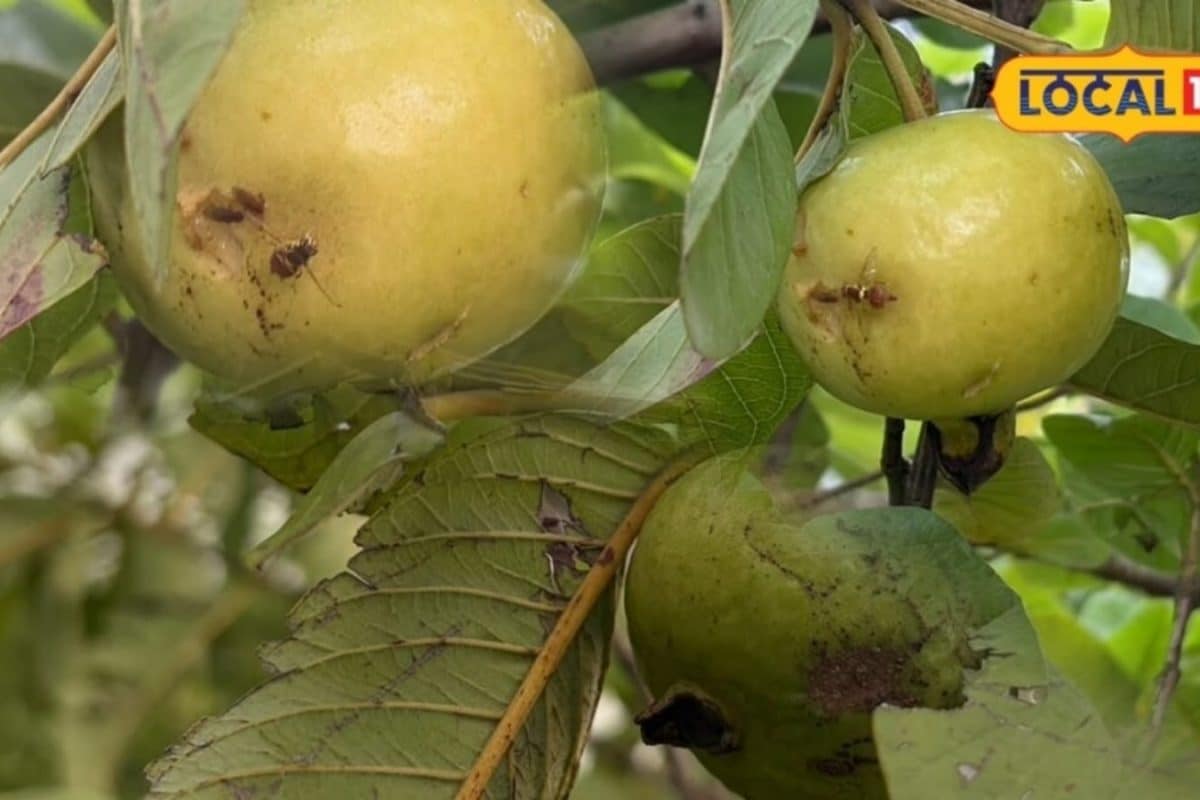
The agricultural authorities in Bharatpur have issued a stringent advisory for local cultivators, directing them to exercise extreme caution regarding their guava orchards as the fruit reaches its crucial ripening phase. During this delicate physiological stage of the crop, orchards become exceptionally vulnerable to infestations by destructive agricultural pests, most notably fruit flies and fruit-piercing sucking insects. These pests pose a direct threat to the development, quality, and market viability of the harvest, making vigilant monitoring an absolute necessity for all local farming communities.
Historically, the ripening period of guava has always demanded meticulous care and heightened observation from cultivators within the region. The seasonal climatic transitions often create conducive microenvironments for the rapid proliferation of insect populations that target mature and ripening fruits. Without timely protective protocols, these biological threats can rapidly escalate, undermining months of laborious agricultural effort and investment put forth by the dedicated farming families who depend entirely on their seasonal harvests for their primary livelihoods.
According to the directives issued by the agricultural department, the current ground reality in several orchards requires immediate sanitization and systematic pest management protocols. Officials have firmly emphasized that fallen, overripe, or decaying fruits must never be left unattended on the orchard floor, as such debris serves as an ideal breeding ground for fruit flies. The systematic removal and proper disposal of compromised produce are critical steps in breaking the breeding cycle of these harmful organisms before they can inflict widespread damage across the entire plantation.
Agricultural extension workers and departmental experts have engaged with local farming cooperatives to underscore the importance of proactive field management and early detection techniques. While formal stakeholder consultations continue across the district, specialists strongly advocate for the deployment of specialized fruit fly traps as an effective, non-intrusive monitoring and control mechanism. These physical traps enable farmers to gauge population densities accurately and intercept potential outbreaks before the pests compromise the commercial value of the harvested produce.
The broader regional economy within Bharatpur and its surrounding agricultural zones is deeply intertwined with horticultural productivity, making the protection of fruit crops a matter of paramount economic significance. Any extensive crop failure resulting from unchecked pest proliferation ripples outward, impacting local supply chains, seasonal agricultural laborers, and regional commodity markets. Safeguarding these orchards directly preserves the financial stability of rural households and maintains steady market supplies of fresh, high-quality fruit for consumers.
In response to the identified biological risks, the agricultural administration has intensified its outreach efforts, providing technical guidance and actionable mitigation strategies to orchard owners. Field officers are actively demonstrating the correct application methods for recommended pest control measures, ensuring that farmers are fully equipped with the knowledge needed to safeguard their investments. The department continues to monitor regional weather patterns and field reports closely to offer timely, localized interventions as the harvesting season progresses.
Looking ahead, agricultural specialists maintain that strict adherence to recommended preventive guidelines will largely determine the overall success of the current guava harvesting season. Farmers are urged to maintain continuous vigilance, utilize organic and neem-based biopesticides judiciously under expert consultation only when necessary, and cooperate fully with departmental advisories. By adopting these integrated pest management practices well in advance, cultivators can successfully secure their crop quality and protect their anticipated annual incomes against unforeseen agricultural setbacks.
