
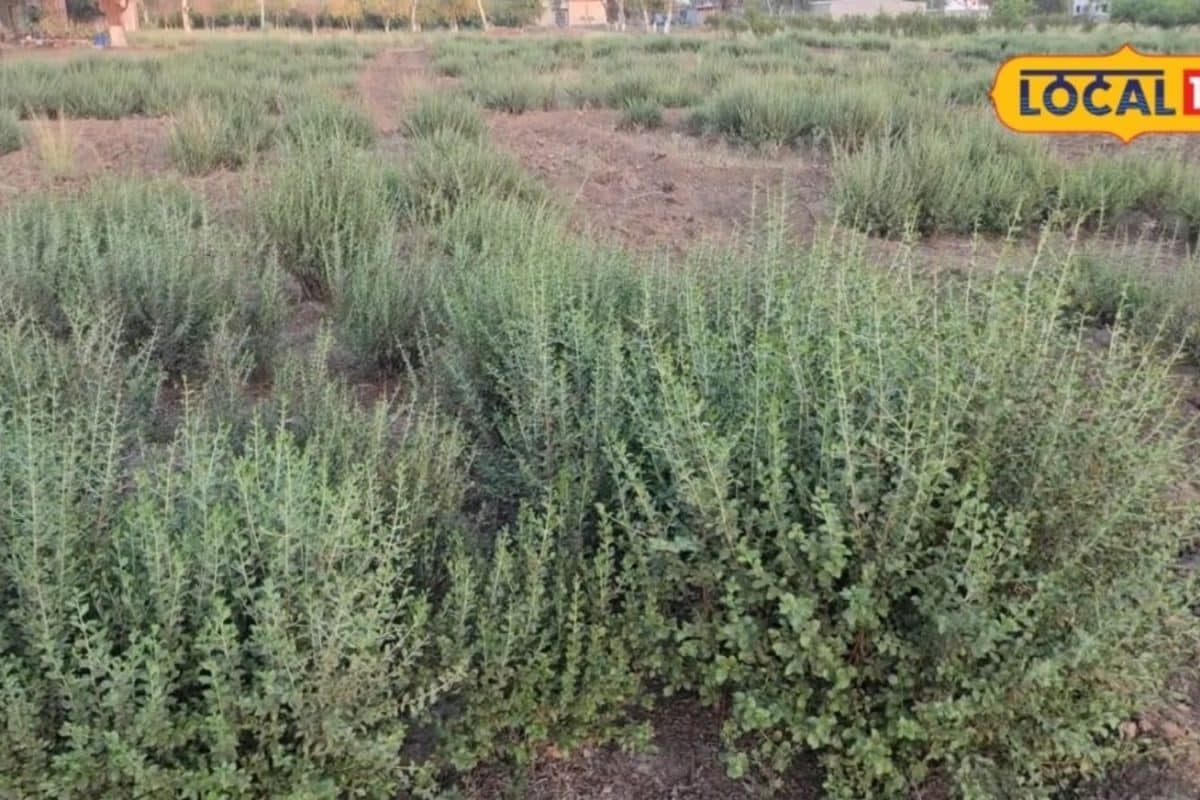
As winter tightens its grip across the region, agricultural authorities have turned their attention toward protecting vital cash crops from the damaging effects of plunging temperatures and cold waves. Farmers cultivating mehndi, a crop historically celebrated for its deep coloration and exceptional quality, face significant seasonal challenges during the coldest months of the year. The primary objective for agricultural extension officers and farming communities is to mitigate the adverse impacts of frost and extreme chill on sensitive agricultural yields.
Originating primarily from the Pali district in Rajasthan, particularly renowned in the agricultural hub of Sojat, mehndi holds an esteemed position in domestic and international markets due to its unmatched purity and staining capabilities. However, because mehndi is inherently a plant that thrives in warm and arid climates, the sudden onset of freezing temperatures and frost formation severely disrupts its natural growth trajectory. Without proactive intervention, younger plants face catastrophic threats of leaf deterioration, severe desiccation, and complete crop failure.
Evaluating the ground reality, agricultural economists and farming associations emphasize that the financial stakes for rural households dependent on this harvest are exceptionally high. The delicate physiological makeup of the plant leaves it acutely vulnerable when winter conditions intensify, potentially leading to substantial economic setbacks for cultivators who rely on seasonal yields. Ensuring that fields do not succumb to prolonged moisture stress or nutrient deficiency becomes an urgent priority for protecting agricultural livelihoods during the winter transition.
Agricultural scientists and regional extension specialists have strongly advised farming communities to adopt systematic, preventive maintenance protocols to safeguard their fields. According to expert recommendations, maintaining optimal soil moisture through measured, light irrigation acts as a crucial thermal buffer against sudden drops in temperature. Furthermore, rigorous removal of weeds and the application of balanced organic fertilizers, determined strictly through systematic soil testing, reinforce the natural resilience of the plants against environmental stress.
Examining the broader regional impact, maintaining the health of cash crops like mehndi remains essential for sustaining the rural economy and preserving agricultural employment throughout the state. Local farming networks and cooperative societies are actively disseminating these expert guidelines to ensure that cultivators across all operational scales can implement best practices efficiently. Protecting this agricultural heritage safeguards the livelihood of numerous families and strengthens the commercial supply chain originating from the region.
Administrative bodies, district agricultural offices, and meteorological departments are maintaining continuous surveillance to issue timely advisories whenever severe weather alerts are declared. Extension workers are deployed directly into farming clusters to conduct awareness camps, demonstrating proper soil management techniques and educating cultivators on organic nutritional requirements. These institutional measures aim to bridge the gap between scientific research and practical farm-level implementation.
Looking toward the future, agricultural planners remain optimistic that widespread adoption of recommended winter care measures will successfully insulate the upcoming harvest from climate-induced vulnerabilities. Stakeholders anticipate steady market demand for high-quality mehndi provided that farm-level protections are executed with precision and timeliness. Continued collaboration between agricultural researchers and farming communities will remain the cornerstone of sustainable crop production in the region.
