
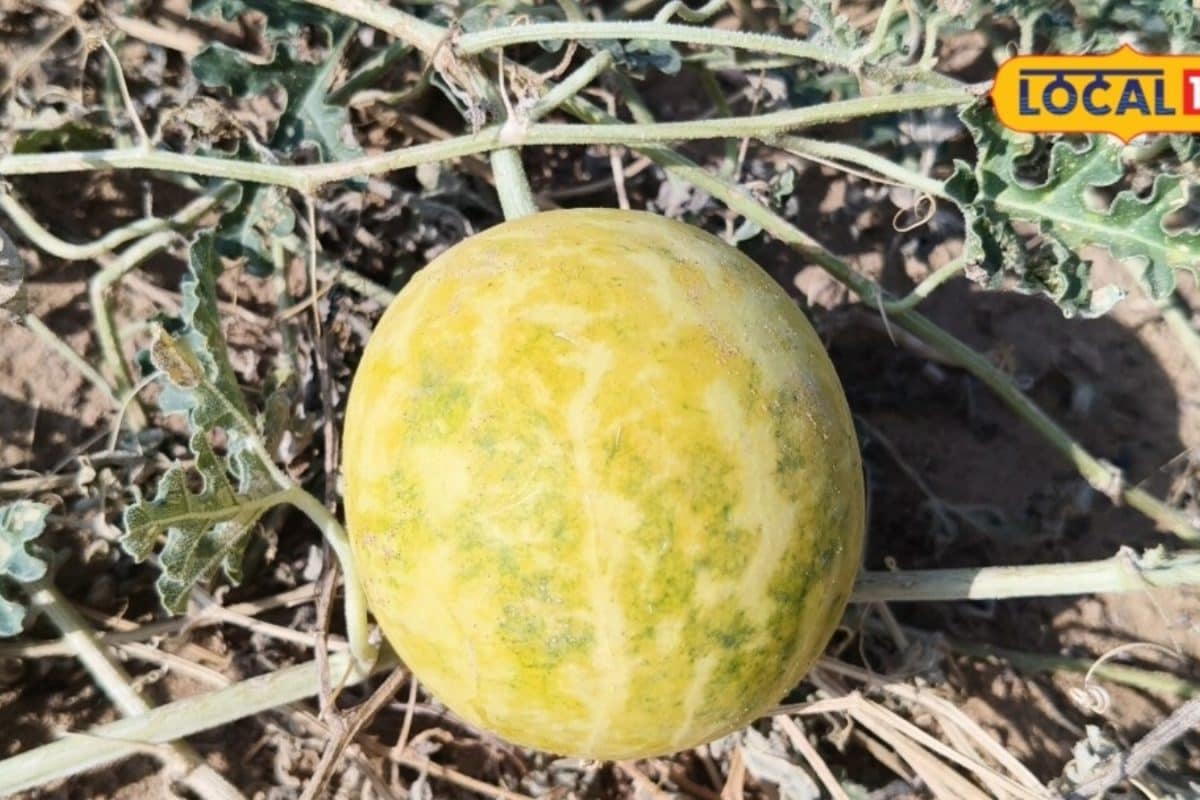
In recent botanical assessments conducted across open fields and arid desert regions, experts have highlighted the prominent natural proliferation of Tumba. This resilient plant, which thrives abundantly in dry terrains, has increasingly caught the attention of agricultural scientists and researchers studying desert flora.
Dr. Sumanlata Tripathi, a distinguished professor from the Department of Botany, has detailed the botanical profile and ecological presence of this unique vegetation. According to her academic observations, the plant belongs to the vine family and adapts remarkably well to harsh desert climates.
Formally classified under the scientific nomenclature of Citrullus colocynthis, the plant exhibits distinctive morphological traits that set it apart from standard vegetation found in more temperate zones. Its physical appearance closely resembles a normal fruit, presenting a deceptive exterior to those unfamiliar with desert botany.
Despite its fruit-like outward appearance, the plant is characterized by an exceptionally bitter taste, which serves as a natural deterrent against herbivores. This intense bitterness is intrinsically linked to the chemical compounds that contribute to its recognized medicinal properties within traditional and botanical studies.
The growth of Citrullus colocynthis in open fields and desert landscapes underscores the rich biodiversity inherent in arid ecosystems. Such botanical specimens demonstrate how specialized flora can survive and flourish under severe environmental pressures, offering valuable subjects for ongoing academic research.
Departmental investigations led by experts like Dr. Sumanlata Tripathi continue to document the distribution and ecological characteristics of these vine plants. These academic initiatives aim to record the exact habitats where Tumba grows, ensuring comprehensive documentation for future botanical reference and ecological studies.
Looking ahead, academic institutions and botanical departments plan to extend their observational studies on Citrullus colocynthis. The ongoing exploration of desert-grown Tumba remains a vital component of regional ecological surveys, promising deeper insights into the resilience and utility of desert plant families.
