
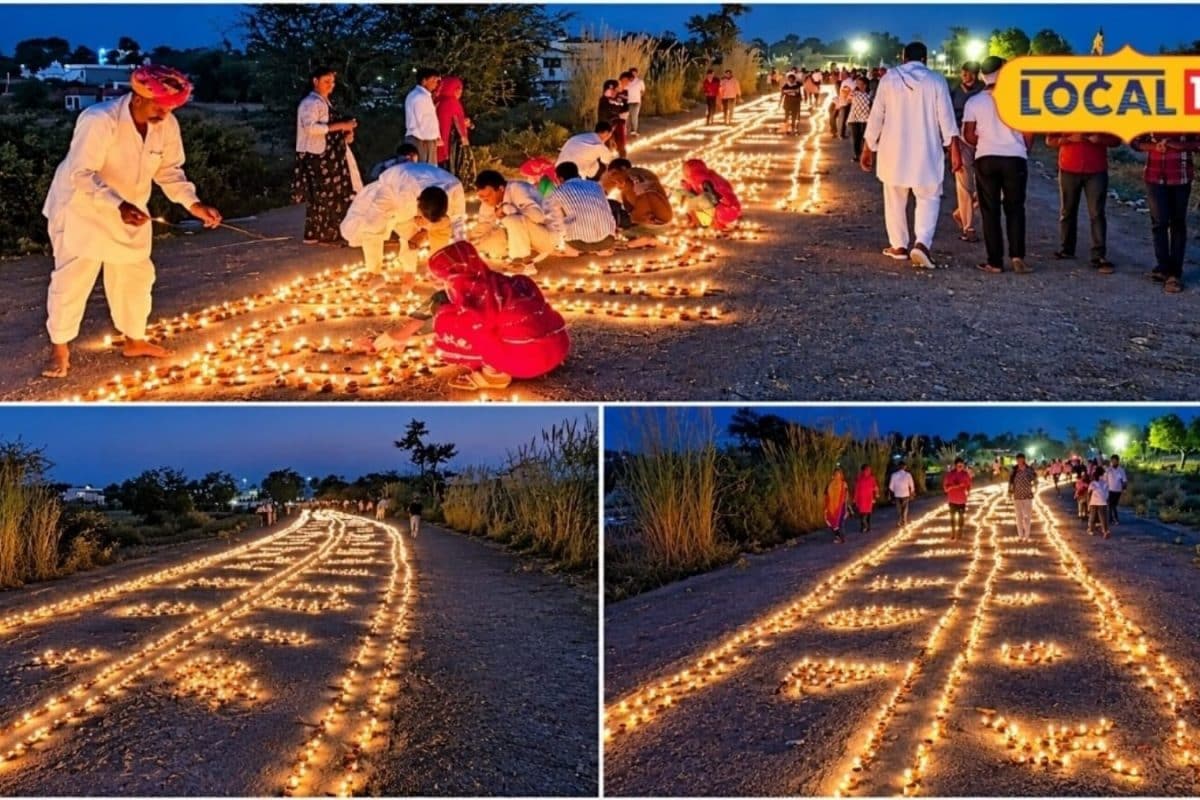
In a striking display of public agitation and traditional protest, the historic Kalkh Dam located in Jobner within Jaipur Rural witnessed a massive and unique public movement. Organized under the banner of the Kalkh Dam Inundation Struggle Committee Movement, more than five thousand farmers, youth, and local villagers converged at the site to draw the attention of the government. The primary demand echoing through the gathering was the urgent integration of the Kalkh Dam into the Eastern Rajasthan Canal Project, a vital initiative expected to resolve long-standing water scarcity issues in the region.
The genesis of this intense agrarian discontent lies in the severe environmental and geographical degradation affecting the region over recent years. According to the organizing struggle committee, hundreds of villages spread across seventeen tehsils are currently grappling with a continuous and alarming depletion of groundwater levels. This depletion has triggered a cascading crisis, severely crippling agricultural productivity and threatening the basic availability of drinking water for thousands of rural households who depend entirely on local aquifers for sustenance.
The ground reality at the site reflected deep-seated anxiety among the farming community regarding their financial viability and daily survival. The agricultural sector, which forms the backbone of the local economy, faces existential threats due to parched lands and non-functional irrigation networks. The logistics of the protest were marked by meticulous community mobilization, drawing five thousand participants who collectively illuminated one lakh earthen lamps around the historic dam basin, transforming the darkness into a powerful symbol of their desperate plea for governmental intervention.
During the extensive discussions and public assembly held alongside the deepotsav, community leaders and participating farmers voiced profound frustration over administrative delays. Representatives from the Kalkh Dam Inundation Struggle Committee Movement articulated that successive warnings regarding the depleting water table had largely gone unheeded by concerned authorities. The speakers emphasized that integrating the water body with the Eastern Rajasthan Canal Project is not merely a regional demand, but an absolute necessity to avert a total humanitarian and ecological collapse across the affected tehsils.
The regional impact of this unfolding crisis extends far beyond immediate agricultural losses, threatening the socio-economic fabric of Jaipur Rural and surrounding districts. The dwindling rural income directly impacts local trade, agricultural labor employment, and rural development indicators. Families are increasingly forced to travel long distances for potable water, while standing crops wither away due to a lack of dependable irrigation sources, thereby worsening rural indebtedness and economic distress.
Administrative response and official oversight remain under intense public scrutiny as community pressure mounts following the massive turnout. Local governance bodies and state water resource authorities are facing heightened expectations to inspect the ground realities and expedite technical feasibility reports concerning the canal integration project. Stakeholders are closely watching for any formal dialogue or policy intervention from the administration to address the grievances formally submitted by the struggle committee.
Looking forward, the Kalkh Dam Inundation Struggle Committee Movement has declared with unwavering resolve that the agitation will continue unabated until their core demand is officially accepted and implemented. The leadership announced plans for sustained mobilization and further democratic protests if policymakers fail to provide a concrete timeline for connecting the Kalkh Dam to the Eastern Rajasthan Canal Project, ensuring that water security remains at the forefront of the regional political agenda.
