
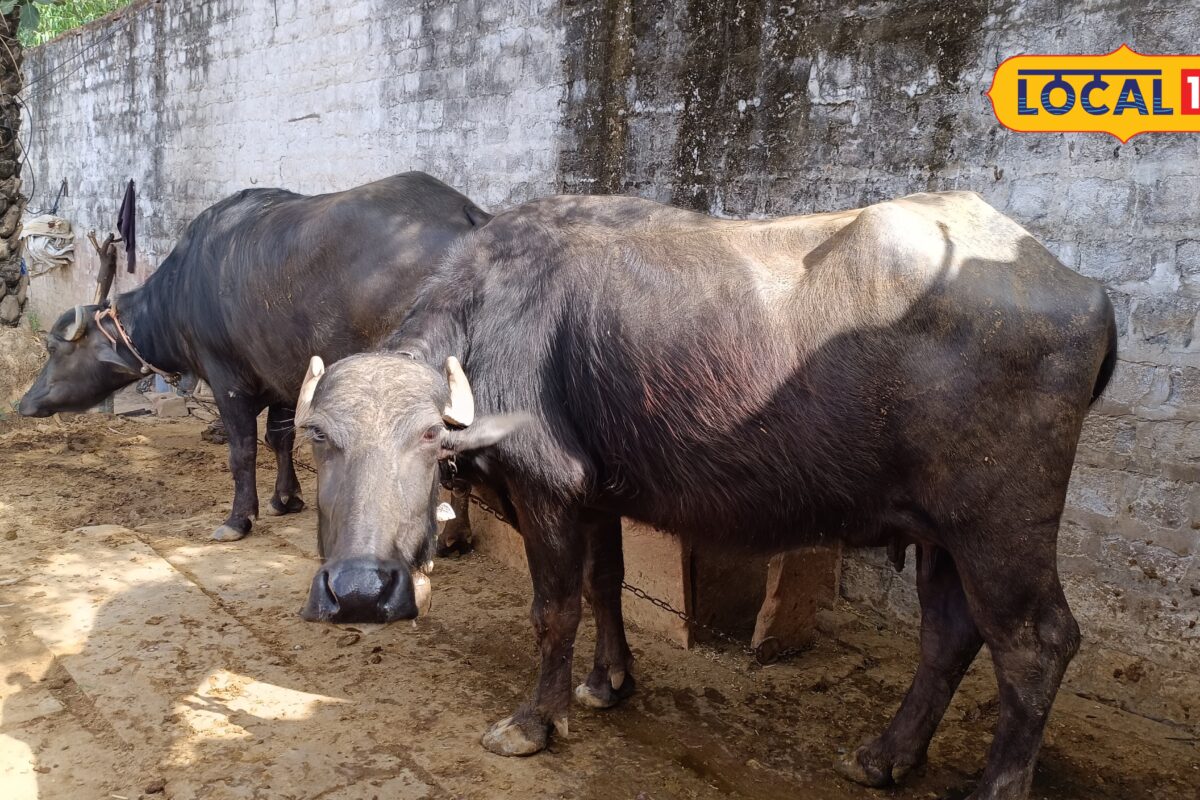
Ensuring the optimal health and productivity of livestock demands a comprehensive nutritional approach that extends far beyond traditional fodder and grain. Modern agricultural and veterinary sciences increasingly emphasize that balanced animal feed must incorporate vital micro and macro-nutrients to sustain metabolic functions. Among these, specific minerals play a foundational role in preventing nutritional deficiencies and optimizing overall physiological performance across dairy and agricultural herds.
Historically, traditional animal husbandry practices relied heavily on locally available green fodder, dry straw, and basic energy-dense grains. However, intensive farming systems and high-yielding milch animals require significantly higher concentrations of specific elements. Without targeted nutritional supplementation, modern cattle and livestock often fail to meet their biological potential, leading to compromised immunity and reduced productive lifespans within rural farming communities.
The inclusion of essential minerals such as calcium, phosphorus, iron, and iodine is non-negotiable for maintaining the structural integrity and metabolic balance of farm animals. Calcium and phosphorus are fundamentally required for skeletal strength, nerve function, and milk synthesis. Meanwhile, iron is indispensable for hemoglobin formation and oxygen transport, and iodine is critical for regulating thyroid function and metabolic rates, thereby preventing various systemic disorders.
Veterinary experts, nutritionists, and experienced dairy farmers consistently highlight that ignoring mineral supplementation triggers severe economic and physiological setbacks. Deficiencies in these vital elements directly manifest as debilitating conditions such as milk fever, reproductive failure including infertility, and chronic anemia. These ailments not only diminish daily milk yields but also impose heavy financial burdens on livestock owners through increased veterinary treatment costs.
Within regional agricultural economies, particularly in farming-dependent districts, the health and productivity of livestock directly dictate household incomes and rural stability. When dairy animals suffer from mineral deficiencies, the local milk supply chain experiences noticeable setbacks. Consequently, educating local farming communities on the precise utilization of specialized mineral mixtures remains a high priority for regional agricultural extension services.
Administrative bodies, district veterinary departments, and animal husbandry extension agencies continuously implement awareness campaigns to guide farmers regarding proper nutritional protocols. These institutional efforts focus on disseminating scientific guidelines for incorporating mineral supplements into daily rations. Officials urge livestock keepers to adopt structured feeding schedules to preemptively safeguard their herds against avoidable nutritional diseases.
Looking forward, the systematic adoption of scientifically formulated mineral mixtures is expected to transform regional dairy farming practices and enhance overall agricultural productivity. As awareness spreads through community workshops and veterinary consultations, livestock owners are better equipped to sustain high standards of animal welfare. This proactive approach ensures long-term economic viability and robust health for farming ecosystems across the region.
