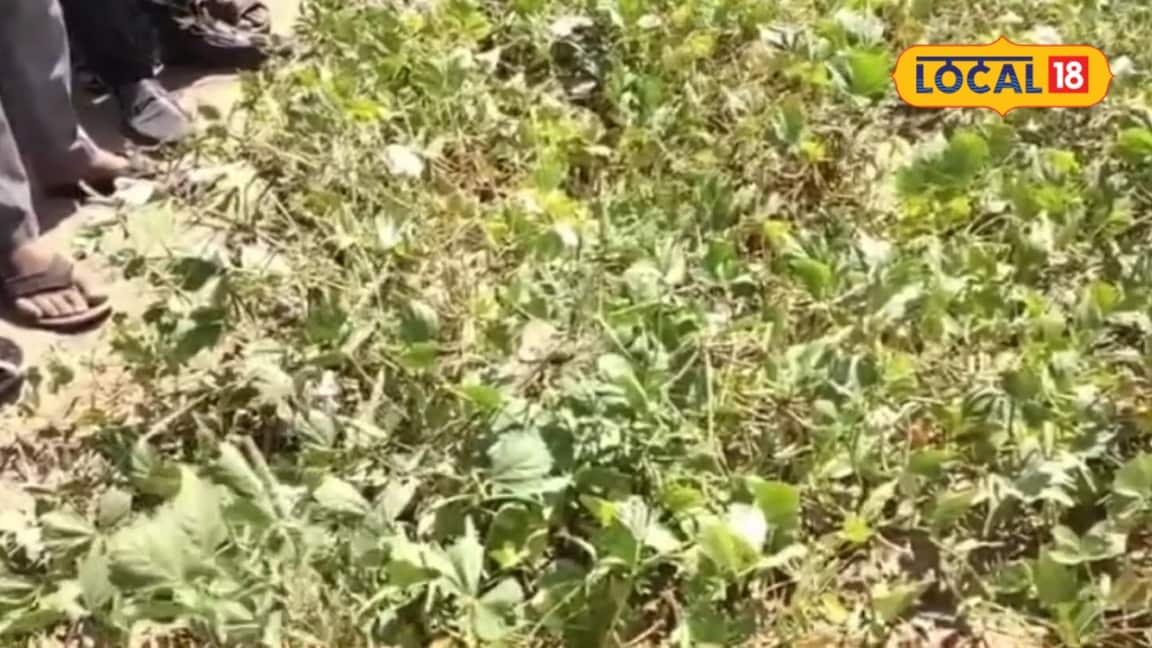
Amid challenging climatic conditions and deficient precipitation patterns observed in Jodhpur, agricultural scientists have brought forth a beacon of hope for the farming community. The Central Arid Zone Research Institute, commonly known as CAZRI, has successfully propagated advanced moth bean varieties designed specifically to withstand moisture stress and dry spells. These botanical interventions are proving to be indispensable for agrarian livelihoods heavily dependent on seasonal monsoons for their sustenance.
Historically, arid and semi-arid regions have grappled with the severe unpredictability of rainfall, leaving cultivators vulnerable to total crop failures and mounting financial distress. The traditional crop cycles often fail when precipitation falls below expected thresholds, rendering heavy investments in seeds and fertilizers completely futile. Recognizing this persistent vulnerability, researchers at CAZRI dedicated extensive years of agronomic research to developing drought-tolerant germplasm capable of surviving under harsh environmental constraints.
The newly highlighted varieties, scientifically designated as Moth-6 and Moth-7, possess remarkable physiological traits that enable them to thrive in moisture-deficient soils. One of the most significant advantages of these specific varieties is their exceptionally short maturity duration, which drastically reduces their exposure window to prolonged droughts. By completing their vegetative and reproductive cycles swiftly, these crops manage to circumvent the adverse impacts of dry spells that typically devastate longer-duration crops in the region.
Agronomists and extension officers interacting with local agricultural cooperatives emphasize that adopting these scientific recommendations can fundamentally transform local farming economics. Farming communities across Jodhpur have expressed cautious optimism regarding these resilient seeds, noting that they provide a reliable safety net against unpredictable monsoon behaviors. Local agricultural leaders point out that timely advisory dissemination empowers cultivators to make informed decisions rather than relying entirely on conventional guesswork.
While the immediate geographical focus centers heavily on Jodhpur, the broader implications of utilizing CAZRI drought-resistant varieties extend significantly across arid agro-climatic zones. The economic stability of rural households relies heavily on maintaining steady harvest yields, even during years marked by meteorological anomalies. Ensuring agricultural continuity helps prevent distress migration and stabilizes local rural markets, thereby safeguarding the entire regional economy from cascading financial shocks.
Administrative bodies and agricultural departments are actively coordinating with research institutions to ensure that certified seeds of Moth-6 and Moth-7 reach rural cooperatives well ahead of the sowing season. District agricultural officials are organizing specialized training camps and informational workshops to educate growers on optimal planting densities and soil management techniques. These institutional measures aim to bridge the gap between laboratory innovations and practical implementation at the grassroots level.
Looking ahead, agricultural experts underscore the necessity of integrating weather forecasting tools directly into daily farming practices. Cultivators are continually urged to monitor meteorological updates and assess field moisture availability meticulously before finalizing their crop selection strategies. Through sustained collaboration between scientific institutions, administrative bodies, and the farming community, the agricultural sector can successfully build long-term resilience against climatic uncertainties.