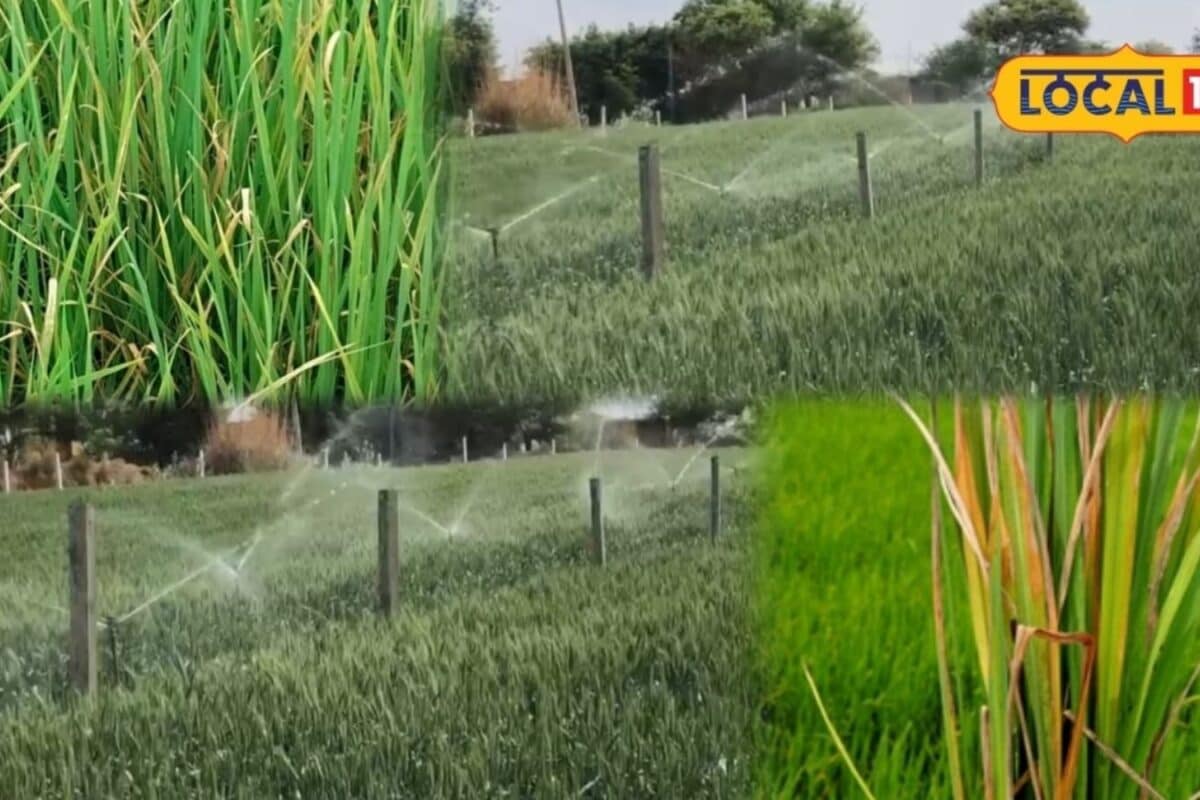
As paddy crops reach the crucial ripening stage across agricultural fields, agricultural authorities and crop scientists have emphasized the critical necessity for farmers to accurately identify ongoing crop ailments. A prominent area of confusion involves Bacterial Panicle Blight, a designation that leads many agricultural producers to mistakenly associate it with wheat pathologies. However, rigorous horticultural and botanical assessments confirm that this condition is exclusively a bacterial infection affecting the panicles and grains of paddy crops.
Understanding the precise nature of this agricultural threat requires a clear distinction between cereal afflictions. While wheat crops are famously susceptible to distinct fungal pathologies such as yellow rust, brown rust, black rust, Karnal bunt, and loose smut, paddy plants face entirely different physiological vulnerabilities. Bacterial Panicle Blight specifically attacks the reproductive structures of rice plants, compromising the internal grain-filling process and directly undermining both harvest quality and overall commercial production volumes.
The financial and operational stakes for farming communities during the ripening phase are exceptionally high, as unmitigated infections can drastically reduce marketable yields. When grains fail to fill adequately due to bacterial intervention, the economic returns for cultivators plummet, creating severe logistical hurdles for local agricultural markets. Analysts note that misdiagnosing paddy afflictions as wheat-related maladies delays timely interventions, resulting in compounding losses for agrarian households who depend heavily on seasonal harvests.
Agricultural extension officers and veteran agronomists have strongly urged farming cooperatives to consult local experts rather than relying on generalized assumptions. Direct feedback from agrarian communities indicates an urgent demand for targeted educational workshops to help growers distinguish between bacterial blight and fungal grain conditions. Stakeholders emphasize that localized training sessions will empower farmers to apply appropriate agrochemicals and preventative management strategies precisely when symptoms first emerge.
Within regional agricultural belts, including areas surrounding administrative districts, the health of the paddy harvest directly dictates the economic vitality of the community. Local markets, transport logistics, and rural commerce depend upon robust crop yields. Therefore, preventing widespread damage from Bacterial Panicle Blight is viewed not merely as an agronomic priority, but as a fundamental pillar supporting regional economic stability and food security.
In response to recurring diagnostic challenges, regional agricultural departments are ramping up advisory services and dissemination of informational bulletins. Administrative oversight is being strengthened to ensure that extension workers actively patrol farming sectors, providing on-the-ground diagnoses and recommending scientifically verified control measures. These proactive statutory steps aim to bridge the knowledge gap and safeguard farmers against preventable harvest degradation.
Looking forward, agricultural authorities recommend continuous field monitoring throughout the remaining maturation period and into subsequent planting cycles. By adopting systematic observation protocols and adhering strictly to expert-recommended protection measures, farming communities can successfully mitigate the risks posed by Bacterial Panicle Blight. Public and institutional cooperation will remain vital in securing high agricultural productivity and resilient rural livelihoods in the seasons ahead.