In a significant developmental push for the agrarian landscape of Western Rajasthan, the administration has initiated major infrastructure enhancement works connected to the Indira Gandhi Canal Project. Designed to fundamentally transform the rural economy and secure reliable water availability for farming communities, this sweeping developmental framework addresses critical historical challenges regarding water scarcity and distribution efficiency in arid regions.
Historically, the desert territories of Rajasthan have grappled with severe constraints concerning dependable irrigation sources, leaving local cultivators heavily dependent on erratic seasonal patterns and restricted canal flows. Recognizing these structural vulnerabilities, planners and agricultural economists have long emphasized the urgent necessity of augmenting structural water storage and modernizing age-old distribution networks to prevent resource wastage.
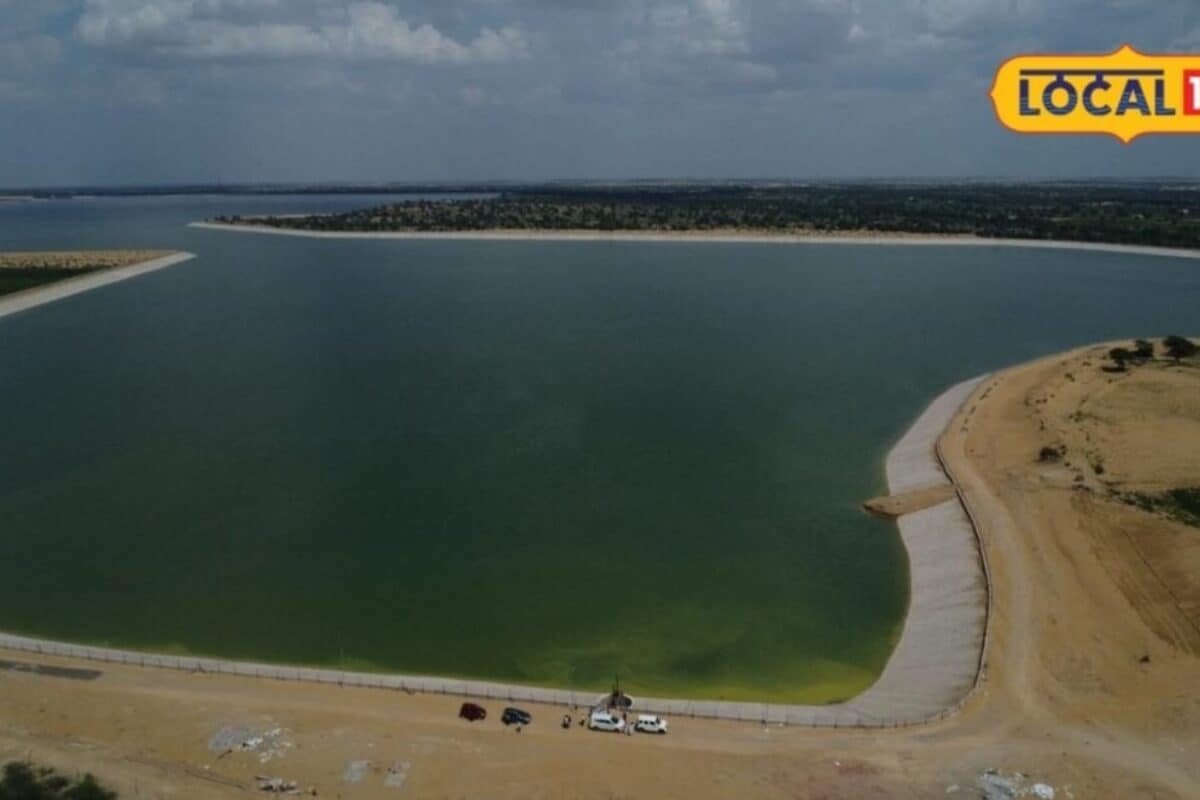
Addressing these foundational challenges directly, the government has sanctioned a substantial capital outlay of 1,274.26 crore rupees specifically for the construction of four new escape reservoirs. These strategically planned reservoirs will collectively generate a colossal water storage capacity of 8,746 million cubic feet, providing a reliable buffer against dry spells and ensuring uninterrupted agricultural operations throughout the sowing cycles.
Beyond the reservoir construction, the ongoing infrastructural overhaul encompasses massive physical interventions across wide-ranging agricultural tracts. Specifically, canal renovation works are currently progressing rapidly across a sprawling area of 2,20,377 hectares, while advanced sprinkler irrigation facilities are being actively implemented across 1,18,248 hectares to maximize water use efficiency and curtail resource loss.
The far-reaching implications of these combined infrastructural investments extend deeply into the rural socio-economic fabric, promising to stabilize agrarian incomes and mitigate the vagaries of climate uncertainty for regional producers. Enhanced water availability directly translates to higher crop yields, diversified agricultural practices, and sustainable rural employment opportunities across the entire expanse of Western Rajasthan.
Demonstrating sustained administrative commitment to this critical sector, authorities have already mapped out subsequent developmental phases. For the fiscal year 2026-27, supplementary irrigation projects encompassing canal renovation across an additional 33,543 hectares have been formally announced, backed by a dedicated financial allocation of 550 crore rupees.
As these multifaceted engineering works progress toward completion under strict departmental monitoring, the regional farming community anticipates a new era of agricultural prosperity. The combination of increased reservoir capacity, modern water-saving sprinkler systems, and systematic canal restoration establishes a robust, future-ready agricultural framework capable of withstanding environmental pressures.