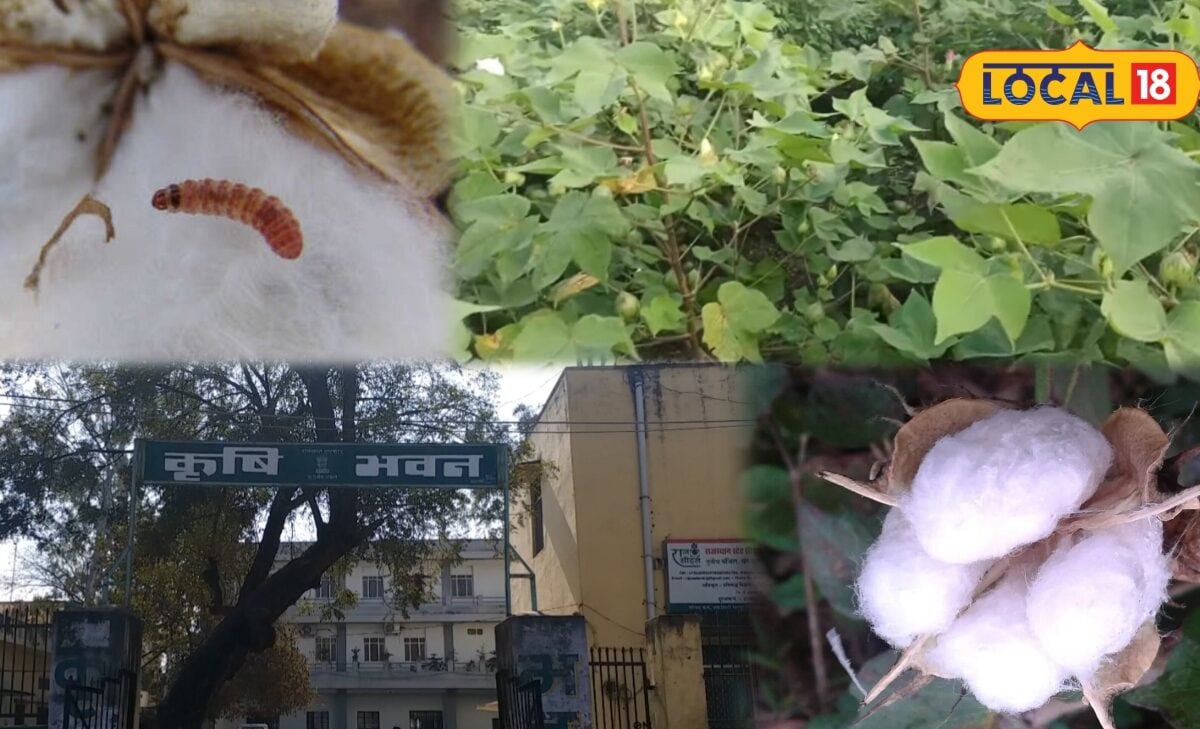
Agriculture authorities in the region have reported a concerning agricultural crisis as the destructive pink bollworm infests vast expanses of cotton cultivation. Specifically centered within Bhilwara district, the ongoing agricultural threat directly jeopardizes the livelihood of local farming communities who rely heavily on this cash crop. The infestation targets developing cotton bolls, undermining both the quantitative production and the qualitative standards required for commercial market success.
Historically, the pink bollworm has remained one of the most persistent and devastating biological threats to cotton farming across various agro-climatic zones. The current outbreak in the district follows seasonal patterns where agricultural vulnerabilities peak during specific vegetative phases of the crop cycle. Local cultivators have observed the alarming destruction inside the bolls where the larvae feed aggressively on developing lint and seeds, causing irreversible internal damage before external symptoms become fully apparent.
According to comprehensive field surveys and statistical data released by agricultural authorities, the ongoing pest outbreak currently impacts approximately 40 to 50 thousand hectares of agricultural land dedicated to cotton farming. This immense geographical scale represents a massive financial stake for the agrarian economy of the region. The sheer volume of affected farmland underscores the urgent need for coordinated intervention to prevent widespread crop failure and cascading economic losses for dependent households.
The broader regional implications of this agricultural crisis extend well beyond individual farm gates, affecting local supply chains, rural employment, and regional economic stability. Agricultural communities throughout the wider administrative zones are closely monitoring the developments, as declining cotton yields directly reduce purchasing power and disrupt local market dynamics. Ensuring the containment of this pest is therefore vital for maintaining the economic equilibrium of the entire district.
In response to the escalating crisis, the agriculture department has rolled out a series of mandatory preventive guidelines and protective measures for cultivators. Authorities strongly recommend the systematic destruction of old crop residues and previous stubbles left in the fields to break the breeding cycle of the pest. Additionally, farmers have been instructed to apply a 5 percent neem seed kernel extract when the crop reaches the 60-day milestone as an effective deterrent against the advancing larvae.
Looking forward, agricultural extension officers and administrative bodies are maintaining rigorous surveillance across all affected farming sectors to monitor the efficacy of these deployed measures. Officials have issued strict statutory warnings against the use of unauthorized mixed pesticides, which often exacerbate the problem by eliminating beneficial insects while rendering the pest increasingly resistant. Public awareness campaigns and continuous field consultations will continue over the coming weeks to safeguard the remaining harvest.