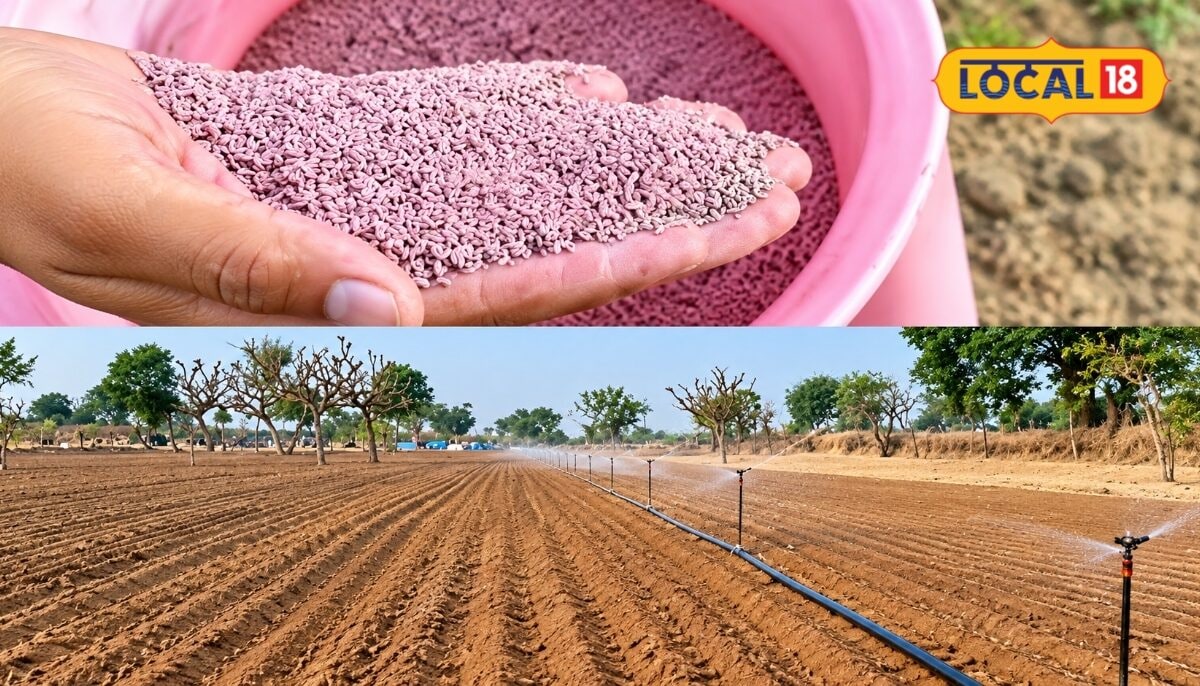
Nagaur district's agricultural landscape is witnessing heightened attention toward specialized cash crops, particularly Isabgol, which demands rigorous adherence to scientific farming techniques. Agricultural authorities and crop specialists have recently highlighted that minor oversights during the initial stages of cultivation can lead to severe financial setbacks for local cultivators. Given the specific climatic and geographical conditions of the region, understanding the delicate balance of soil preparation, moisture management, and crop timing has become an absolute necessity for farming communities.
Historically, Isabgol has established itself as a resilient and economically viable crop in arid and semi-arid tracts, thriving under conditions where traditional water-intensive crops fail. The agricultural heritage of Nagaur provides a suitable foundation for medicinal and pharmaceutical-grade crop production, yet modern scientific interventions are increasingly required to counter unpredictable weather patterns. Agronomists note that while the plant is naturally adapted to moisture-stressed environments, optimizing its growth cycle requires meticulous attention from pre-sowing soil testing to the final harvesting phase.
At the heart of successful Isabgol production lies the adherence to specific empirical timelines and biological milestones. Agricultural guidelines emphasize that the crop strictly requires a maturity period spanning precisely 110 to 130 days from the date of sowing to the time of harvest. Farmers must navigate the logistical challenges of seed procurement, ensuring certified high-germination seed lots are utilized, while simultaneously managing controlled irrigation schedules to prevent root rot and fungal infections caused by excessive moisture retention.
Farming unions and local agricultural representatives have expressed cautious optimism regarding the ongoing agricultural season, pointing out that informed cultivation practices directly correlate with market profitability. Stakeholders emphasize that proper technical extension services and timely advisories from district agricultural offices are crucial in guiding novice and veteran farmers alike. Discussions among farming cooperatives consistently highlight the economic stakes involved, as global demand for psyllium husk remains robust, translating into significant commercial potential for diligent cultivators who adhere strictly to expert recommendations.
While the primary advisory focus originates from agricultural observations in Nagaur, the broader implications of these scientific farming protocols resonate deeply across surrounding administrative zones, including Kotputli-Behror and neighboring rural economies. The regional agricultural ecosystem relies heavily on diversified crop planning to mitigate agrarian distress and market volatility. By adopting water-wise cultivation methods pioneered in arid zones, regional farmers are better positioned to safeguard their livelihoods against subterranean water depletion and unpredictable monsoon anomalies.
Administrative oversight and institutional support from district agricultural departments play an indispensable role in disseminating accurate technical knowledge to the grassroots level. Extension officers are actively conducting awareness campaigns, workshops, and soil-testing camps to ensure that cultivators are well-equipped with actionable data regarding fertilizer applications, weed control, and pest management specific to Isabgol production. This institutional framework aims to bridge the gap between laboratory research and field-level execution, ensuring sustainable agricultural growth across the district.
Looking toward the future, the systematic cultivation of Isabgol within the 110 to 130-day window presents a viable blueprint for climate-resilient agriculture in the region. Agricultural experts urge farmers to strictly maintain recommended sowing calendars and harvest at the precise physiological maturity point to prevent seed shattering and quality degradation. With continued administrative backing, rigorous adherence to scientific methodologies, and proactive community engagement, Nagaur and its neighboring agrarian sectors are poised to achieve sustained prosperity through specialized cash crop farming.