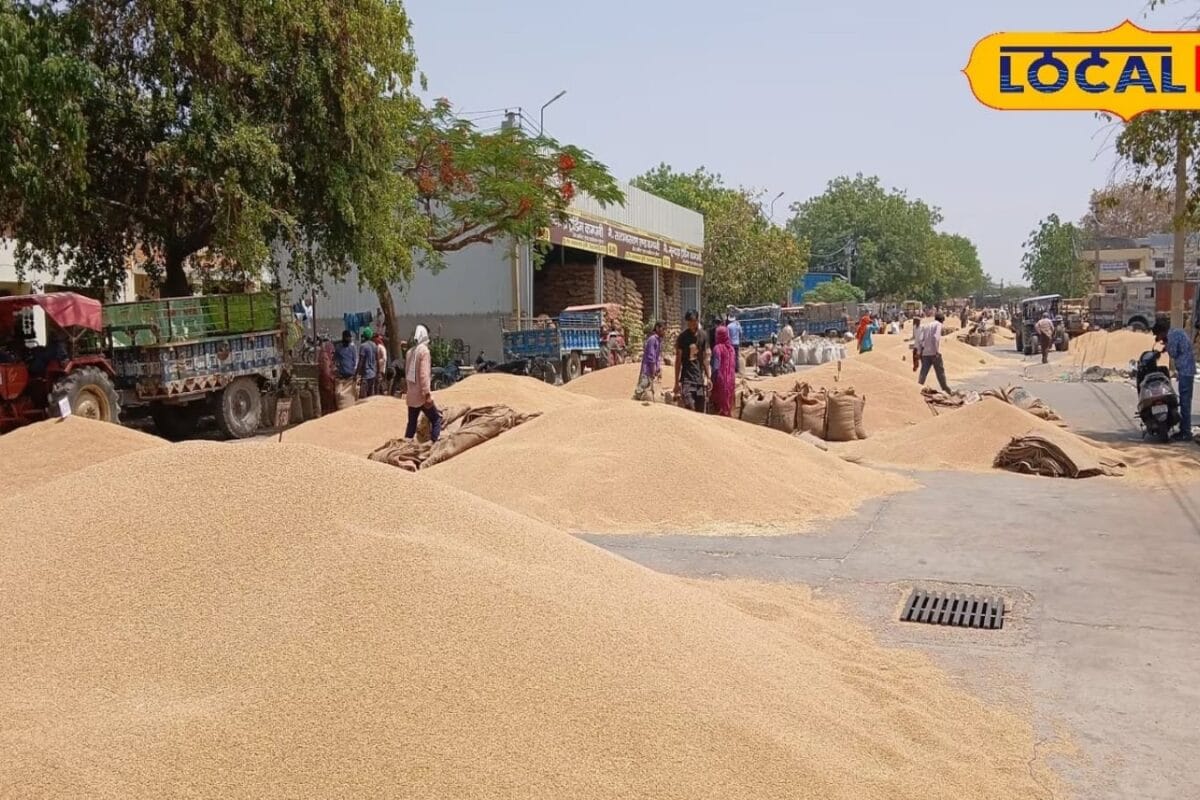
In a major infrastructural push aimed at revitalizing the agricultural economy, the Government of Rajasthan has officially sanctioned a comprehensive financial package of 57.41 crore rupees. This substantial fund is exclusively earmarked for upgrading, modernizing, and strengthening the infrastructure across 30 agricultural produce market committees within the state. The announcement marks a critical turning point for rural commerce, as the physical infrastructure connecting farmers to the formal market network has long required systematic intervention and substantial capital investment.
Historically, agricultural markets across various districts of Rajasthan have faced persistent challenges regarding connectivity, inadequate yard facilities, and unreliable electrical infrastructure. Farmers traveling from remote rural hinterlands frequently encountered severely damaged roads and poorly lit, congested market yards, which historically led to post-harvest losses and logistical bottlenecks. Recognizing these systemic hurdles, the administrative machinery initiated comprehensive reviews of mandis across the region to identify critical infrastructural gaps that required immediate government intervention.
Agricultural stakeholders, including local farmers' representatives, mandi traders, and commission agents, have expressed profound appreciation for this decisive administrative action. Local merchant associations noted that superior physical infrastructure will directly translate into accelerated movement of agricultural commodities, significantly reducing turnaround times for heavy transport vehicles. Furthermore, improved electricity supply within the market premises will enable extended operational hours and better safety standards for stored produce during peak harvesting seasons.
The broader regional impact of this infrastructural overhaul is anticipated to be transformative for districts heavily reliant on agrarian economies, including areas surrounding Kotputli-Behror. By establishing robust road networks connecting rural agricultural fields directly to designated wholesale yards, transport inefficiencies will be drastically minimized. Farmers will no longer face prohibitive logistical friction when transporting perishable or staple crops to trading hubs, thereby securing more competitive pricing for their hard-earned produce.
To ensure absolute transparency, accountability, and timely execution, the administrative apparatus is currently establishing rigorous monitoring protocols for the utilization of the 57.41 crore rupee fund. Public works departments and concerned agricultural marketing boards have been directed to adhere strictly to quality benchmarks while executing road repairs and yard constructions. Regular site inspections and milestone-based reporting mechanisms will be implemented to prevent bureaucratic delays and ensure every allocated rupee delivers tangible results on the ground.
Looking forward, the successful implementation of this infrastructural enhancement project is expected to catalyze a measurable surge in overall market arrivals, commercial transactions, and state revenue generation. As the 30 targeted agricultural markets complete their structural transformations, they will serve as modern benchmarks for rural commercial hubs throughout Rajasthan. The government remains committed to continuous infrastructural investment, ensuring that the agricultural sector receives the systemic backing required to thrive in a competitive modern economy.