
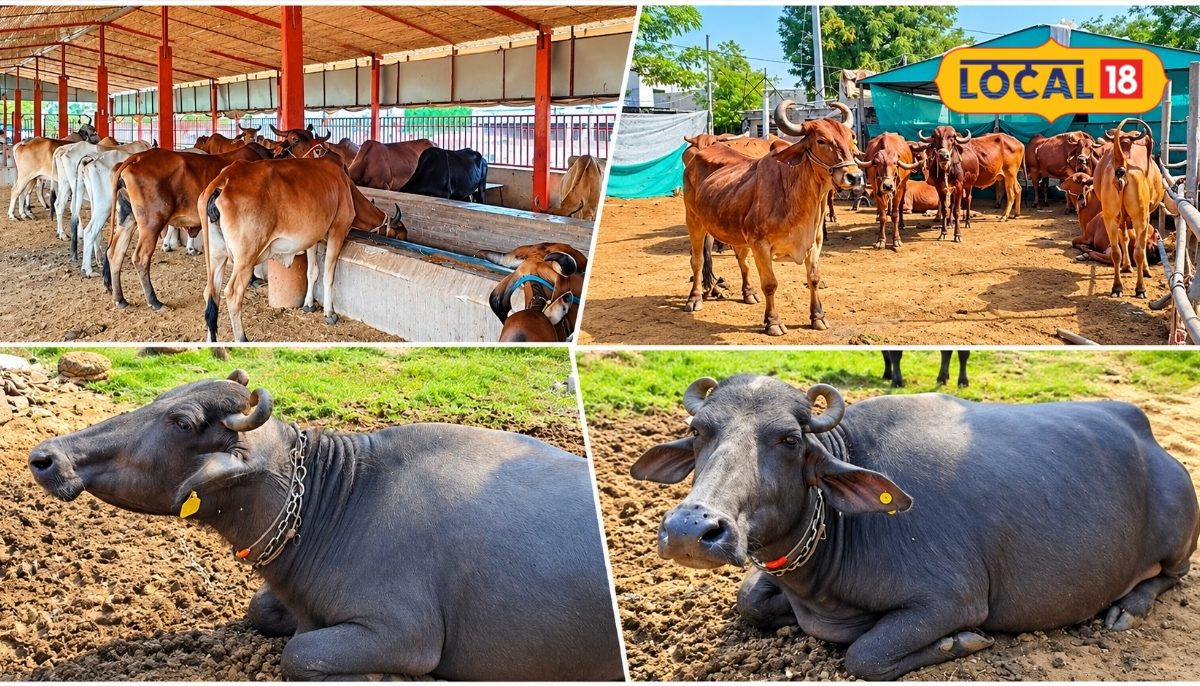
As the winter season intensifies across the region, livestock owners in Nagaur have been issued a comprehensive set of critical advisories regarding the health, nutrition, and daily management of domestic animals. The drop in ambient temperatures brings forth unique seasonal vulnerabilities for cattle, sheep, goats, and other farm animals, making specialized winter care an absolute necessity for maintaining rural livelihoods and preventing severe economic losses.
Historically, winter animal husbandry in arid and semi-arid regions like Nagaur has required meticulous attention to feed quality and shelter management. Sudden temperature fluctuations and cold winds often weaken the immune systems of livestock, making them exceptionally susceptible to various metabolic disorders, digestive complications, and bacterial infections if proper preventive measures are not instituted promptly by farm owners and local herders.
Addressing the core nutritional hazards, veterinary expert Vishal Prajapati has strongly advised livestock owners to strictly avoid feeding spoiled, rotten, or decomposed fodder to their animals during the winter months. Ingesting deteriorated feed material during cold weather drastically increases the risk of severe gastrointestinal distress, colic, and fatal systemic infections among domesticated livestock, ultimately threatening the overall survival and productivity of the herd.
Furthermore, the advisory explicitly cautions against feeding green fodder that has been heavily soaked in morning dew. Dew-laden forage often harbors excessive moisture and fungal spores, which can severely compromise the digestive harmony of cattle. In addition, excessive grain supplementation without adequate roughage balance has been flagged as a major physiological risk factor that leads to acidosis and metabolic imbalances during prolonged cold spells.
Beyond dietary restrictions, the maintenance of proper hydration protocols has emerged as a critical focal point for local animal husbandry in Nagaur. Veterinarians emphasize that clean drinking water must be provided in adequate quantities throughout the day. Neglecting the regular and thorough cleaning of water troughs allows harmful bacteria, pathogens, and algae to accumulate, posing serious health hazards to the consuming livestock.
Local administrative bodies and regional agricultural departments are actively monitoring the implementation of these veterinary recommendations across rural settlements. Extension workers and field veterinarians are conducting outreach programs to educate farmers on safe winter feeding practices, ensuring that grassroots animal keepers possess the necessary technical knowledge to safeguard their valuable livestock assets against avoidable seasonal ailments.
Looking forward, continued vigilance and adherence to professional veterinary guidelines will remain paramount for the agricultural community in Nagaur as the winter season progresses. By prioritizing preventive health measures, proper feed sorting, and rigorous sanitation of watering equipment, local farmers can effectively mitigate winter-related health risks and secure the robust health and productivity of their livestock populations.
