
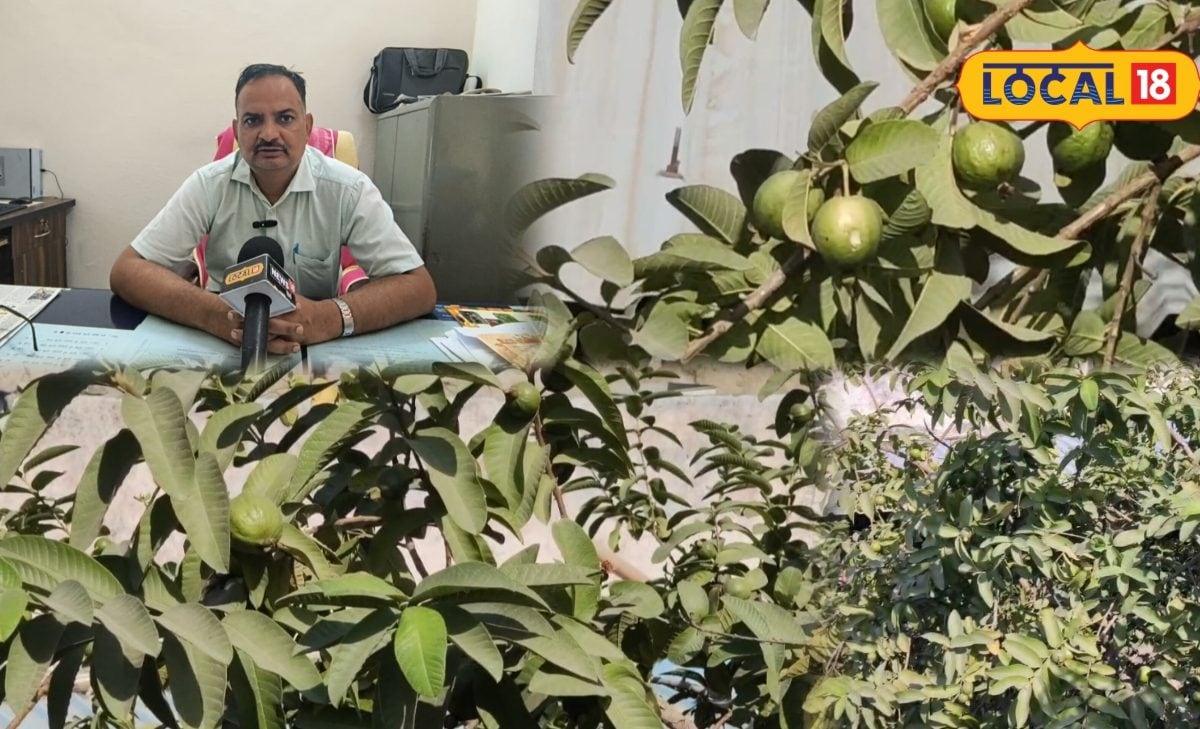
With the formal arrival of the winter season, agricultural distress has intensified across orchards in Gurla village, located in the Bhilwara region. Local farmers who have dedicated months of rigorous labor to cultivating premium guava crops are now confronting a severe biological crisis. The sudden drop in temperature combined with shifting seasonal humidity has created an ideal breeding ground for aggressive agricultural pests, threatening the entire regional harvest.
Historically, the transition from autumn to winter in this part of Bhilwara has always presented routine agricultural challenges, but this year the scale of infestation is unprecedented. Agronomists note that these pest cycles thrive under specific weather variations. Over the past several years, changing micro-climatic conditions have increasingly exposed local orchards to multi-pest vulnerabilities, forcing traditional farming communities to constantly adapt their crop management strategies to survive economically.
At the ground level, the financial and operational stakes for cultivators in Gurla village are exceptionally high. Guava farming serves as a primary source of livelihood for numerous rural households in the Bhilwara district. Farmers have invested heavily in irrigation, organic fertilizers, and labor. However, the presence of these destructive insects threatens to drastically reduce marketable yields, plunging families into potential financial distress if effective intervention is delayed.
Agricultural authorities, local farming unions, and veteran cultivators have expressed deep concern over the rapid proliferation of these insects. Senior village representatives and experienced orchard owners have emphasized that without immediate targeted intervention, the economic viability of the current harvest will be severely compromised. Community leaders are urging fellow farmers to maintain strict vigilance during these critical winter weeks.
The broader regional impact of this infestation extends well beyond the borders of Gurla village, creating economic ripples across the wider Bhilwara district agricultural economy. Local markets depend heavily on a steady, high-quality supply of guavas during the peak winter months. Any substantial decline in local production directly impacts regional trade, wholesale pricing structures, and the daily sustenance of dependent agricultural laborers.
In response to the escalating crisis, local administrative bodies and agricultural extension offices have begun mobilizing resources to assist affected growers. Officials are disseminating crucial advisory notices detailing standard operating procedures for pest control. These administrative guidelines emphasize early detection, safe pesticide application, and orchard sanitation to prevent further biological damage to developing fruits.
Looking toward the future, agricultural experts recommend the establishment of permanent monitoring mechanisms and community-led pest management workshops across Bhilwara. By fostering proactive agricultural literacy and timely administrative support, local farming communities can better safeguard their annual yields against recurrent pest threats, ensuring long-term sustainability for the region's prominent horticulture sector.
